

Uji Tea Tour
Located in south Kyoto, Uji is an ancient town seeped in history.
A literary gem celebrated in classic poems and a beloved retreat for Heian era (794 to 1185) aristocrats, grand structures such as the UNESCO World Heritage Site Byodo-in was erected during this time; It remains just as magnificent in present day.
Uji is equally renowned for being the location for the ending chapters in The Tale of Genji, a classical poetic work depicting aristocratic life in the Heian era. Written by a Murasaki Shikibu, a talented Japanese female creative, The Tale of Genji is of similar cultural stature to the works of William Shakespeare and is considered to be the world’s first novel.
In spring, cherry blossoms bloom along Uji River, a 25 kilometer river that traditionally served as a transportation route, connecting Kyoto to surrounding prefectures, but is now enjoyed via sightseeing boats when its tree-lined banks bloom with sakura. Tea connoisseurs will look forward to early summers in Uji, when tea estates turn vibrant green, while the autumn foliage found at temples create a tranquil scene for nature lovers come fall.
Take a stroll with us thru the birthplace of matcha and sencha and allow our guides to share more of Uji's vibrant history--as well as the best places to try and buy Japanese tea.
Tour Duration: Half Day Tour: 3.5 Hours ・ Full Day Tour: 7 Hours
What You'll Do
Use collapsible tabs for more detailed information that will help customers make a purchasing decision.
Ex: Shipping and return policies, size guides, and other common questions.
What's Included
Temple and garden entry fees
What's Not Included
Transportation Fees
Getting To & Fro:
We will walk and take public transportation; Alternatively, a taxi can be arranged at participant expense.
Guest Requirements
Guests are required to behave in a civil and respectable manner.
Temple/Shrine Etiquette:
On Clothing:
Conservative clothing recommended. Ensure your underarm area and chest are covered. Avoid bright colors and flashy patterns, as they can be perceived as inappropriate or disrespectful. In the summer, lightweight, loose fabrics that cover the body are both respectful and practical. A lightweight linen shawl is easily portable, sheer and provides the necessary coverage.
On Footware:
Many temples require visitors to remove their shoes before entering certain areas, particularly in the main halls or tea rooms. Keep this in mind when choosing footwear; Slip-on shoes can be convenient. Clean socks are a must.
On Bowing:
Bowing is a fundamental gesture in Japanese etiquette, not only reserved for business or spiritual practices. Upon entering a temple or shrine, you may notice visitors bowing to the altar or main hall; It is perfectly acceptable to mimic this behavior.
On Giving An Offering:
Before making a wish or a prayer it is customary to offer a small donation in odd numbered denominations. Slowly approach the offering box and gently drop your coins within. A typical offering ranges from 5 yen (considered lucky) to larger sums, depending on intent and financial capacity.
As temple and shrine etiquette differs, your guide can advise.
Activity Level
Moderate
This is a walking tour led at a steady, leisurely pace with periods of standing and opportunities for rest.
Terrain: A mix of flat and uneven surfaces; Some stone paths and gentle inclines. Flat, comfortable and secure shoes recommended.
Recommended Fitness: Ability to walk moderate distances and stand for periods of time without assistance.
Accessibility Level
Accessibility Level: Fair to Challenging
☆ Many gardens at street level
☆ Uneven surfaces
☆ Cobblestone paths
Wheelchair Accessibility: Can be challenging
☆ Inform Concierge as best visited with assistance
☆ Smaller establishments may not have wheelchair accessible seating or restrooms
Public Transportation:
Train stations in Uji are accessible with ramps or lifts.
Taxis:
Wheelchair accessible taxis are available but must be booked in advance. Regular taxis may not accommodate wheelchairs.
How To Order
1: Adjust the quantity to match the number of tour attendees. For example, if four people are attending, then the quantity should be set to 4.
2: Select desired date.
3: Add tour to cart.
4: Add any additional Add-ons.
5: Check out to complete reservation. Our Concierge will contact you shortly; You will only be charged when tour details are confirmed.
Cancellation Policy
16 Days or More Prior To Tour or Experience Start Date: No Cancellation Fee Levied; 100% of Order Amount Returned
15 days to 11 days Prior To Tour or Experience Start Date: 40% of Order Amount Reserved As Cancellation Fee; 60% of Order Amount Returned
10 days to 6 days Prior To Tour or Experience Start Date: 80% of Order Amount Reserved As Cancellation Fee; 20% of Order Amount Returned
5 Days or Less Prior To Tour or Experience Start Date: 100% of Order Amount Reserved As Cancellation Fee; 0% of Order Amount Returned
For more details, reference our Cancellation & Refund Policy.
Pairs well with
Select quantity (number of participants) date and time prior to adding to cart. The date and time is selectable from the "Select Date" button.
Uji Tea Tour
If you have any questions, you are always welcome to contact us. We'll get back to you as soon as possible, within 24 hours on weekdays.
-
Customer Support
Use this text to answer questions in as much detail as possible for your customers.
-
FAQ’s
Use this text to answer questions in as much detail as possible for your customers.
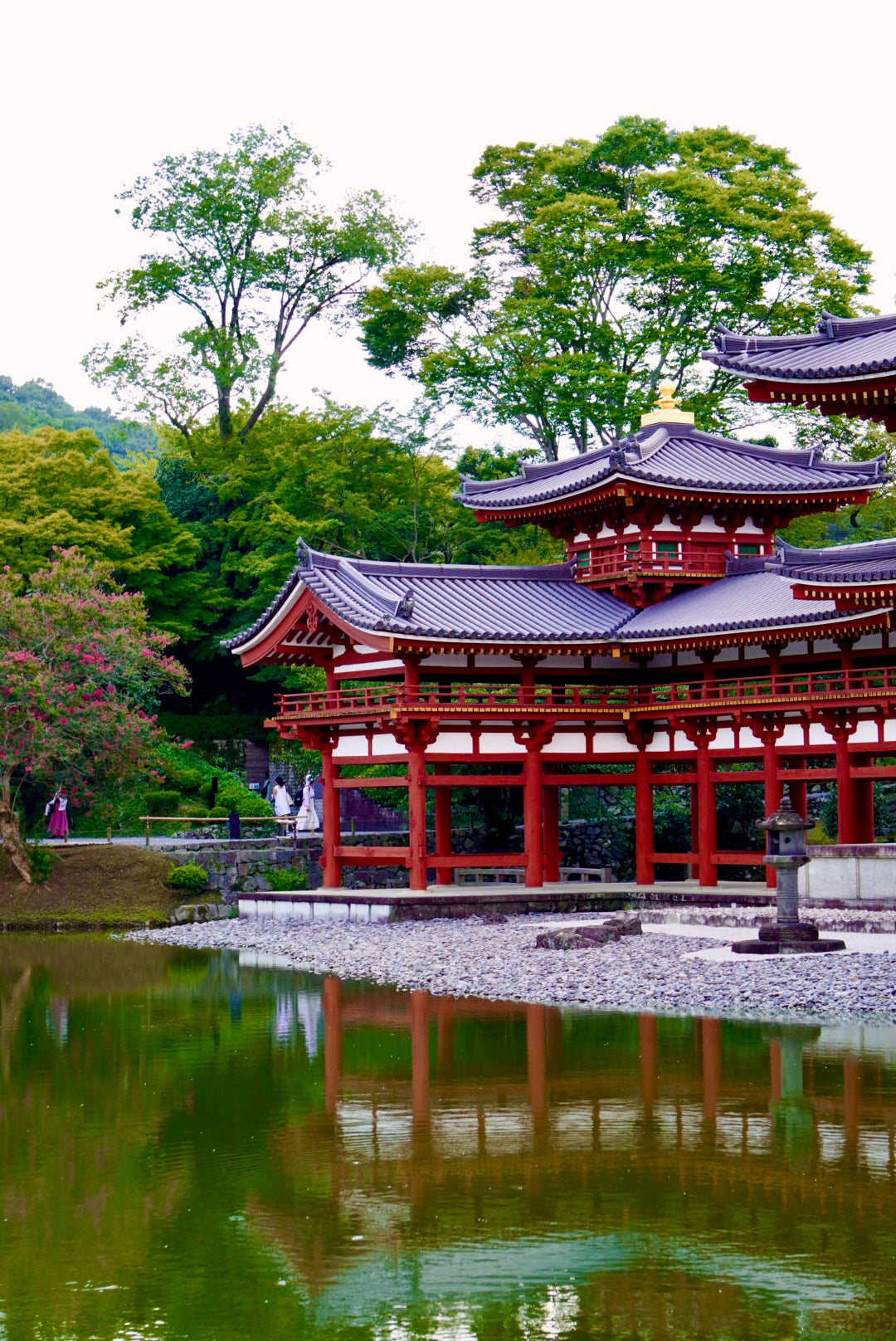
Heian History
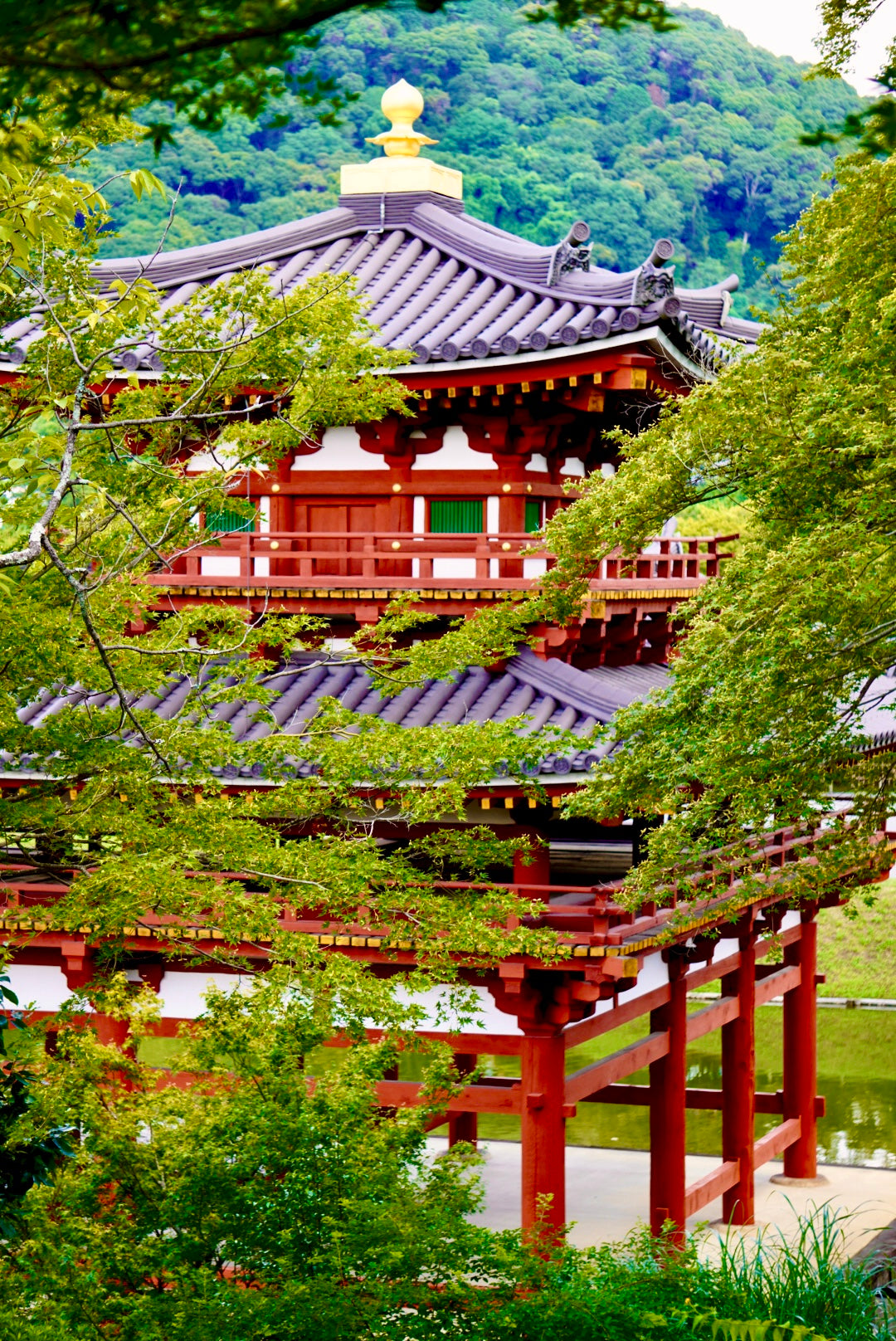
Glimpses of aristocratic times remain within the grounds of Byodo-in Temple, a 1000 year villa, later converted into a temple. Built in Chinese fashion, a garden and pond enclose the oldest building on the premises, Phoenix Hall, pictured.
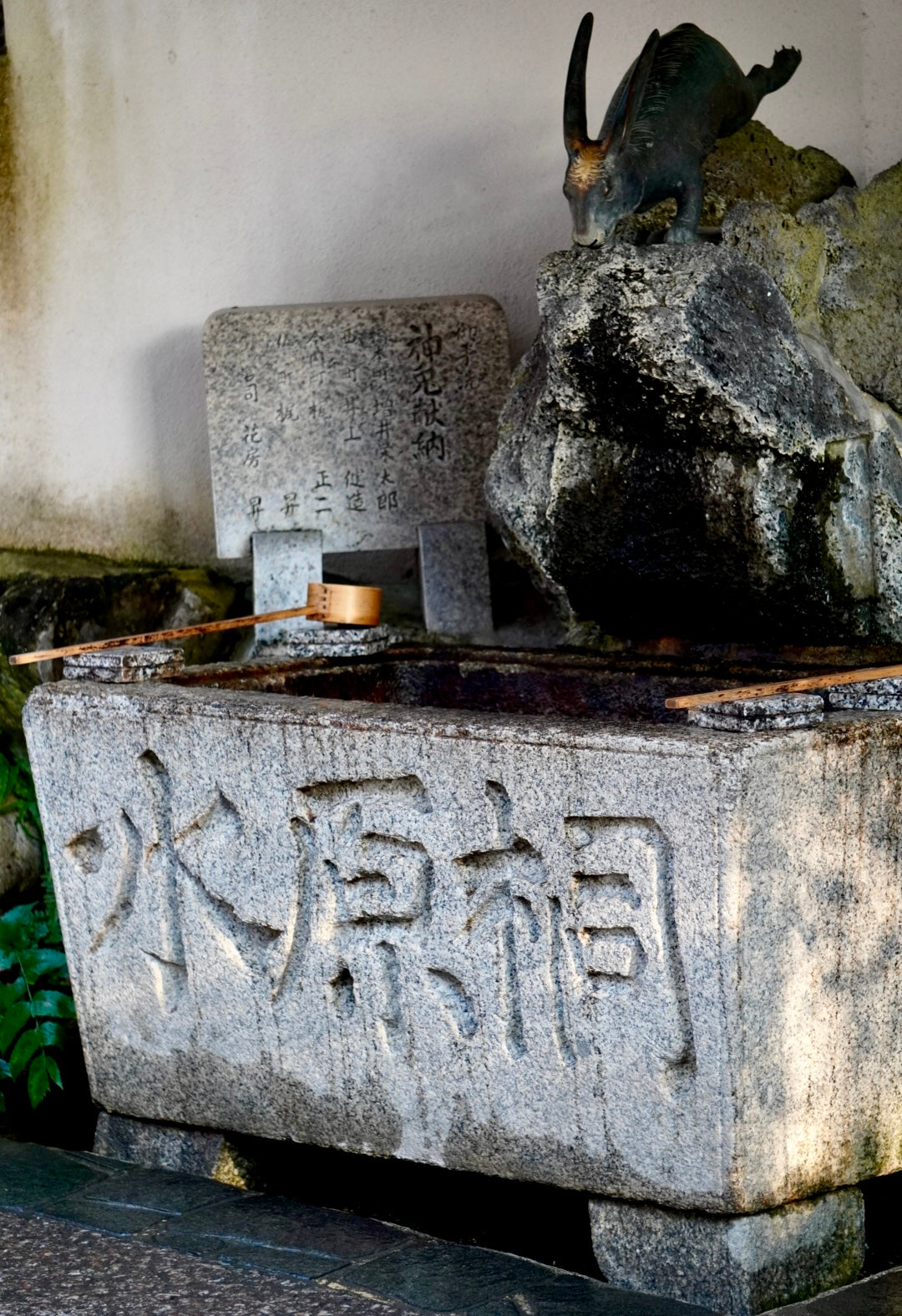
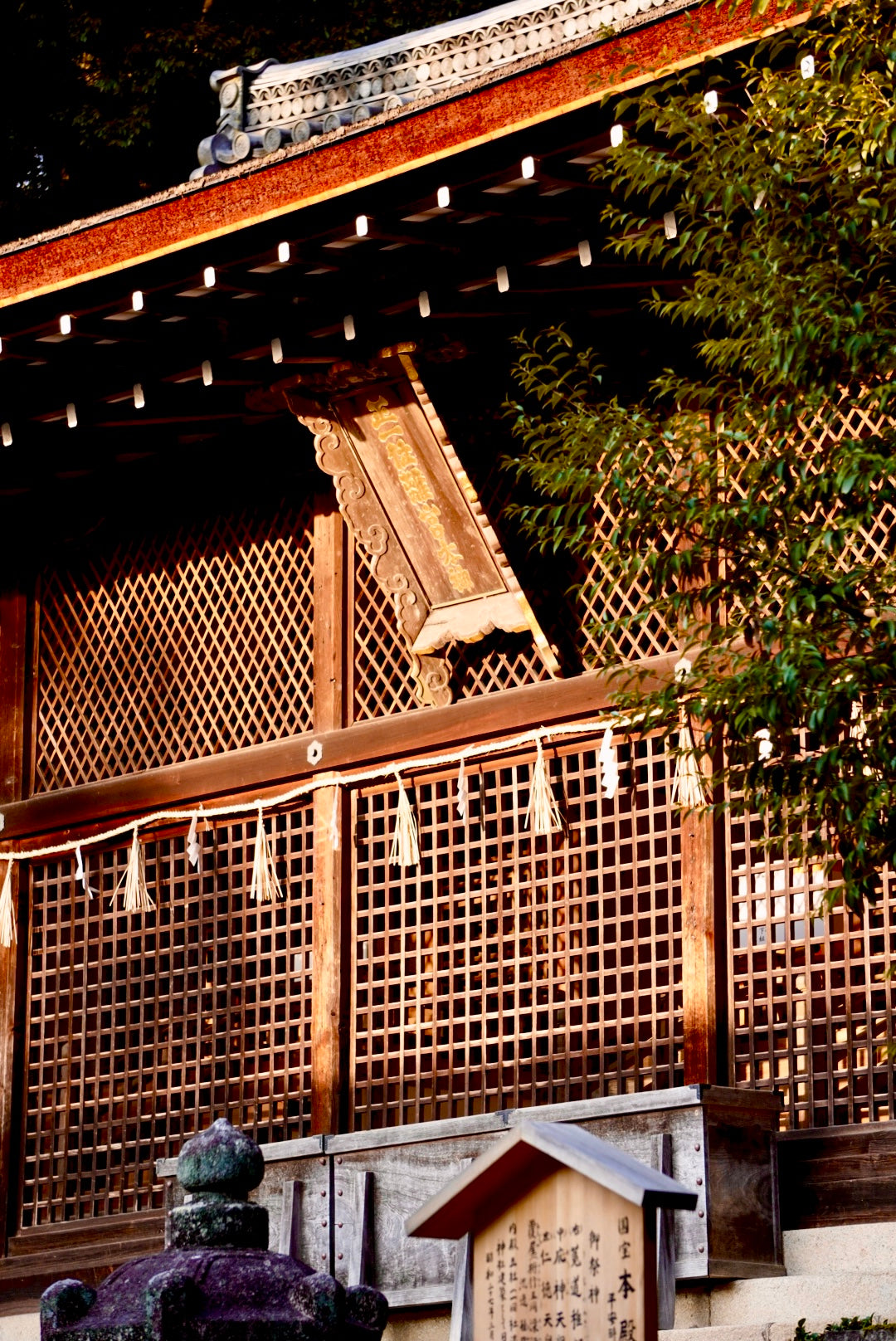
Graceful Gardians
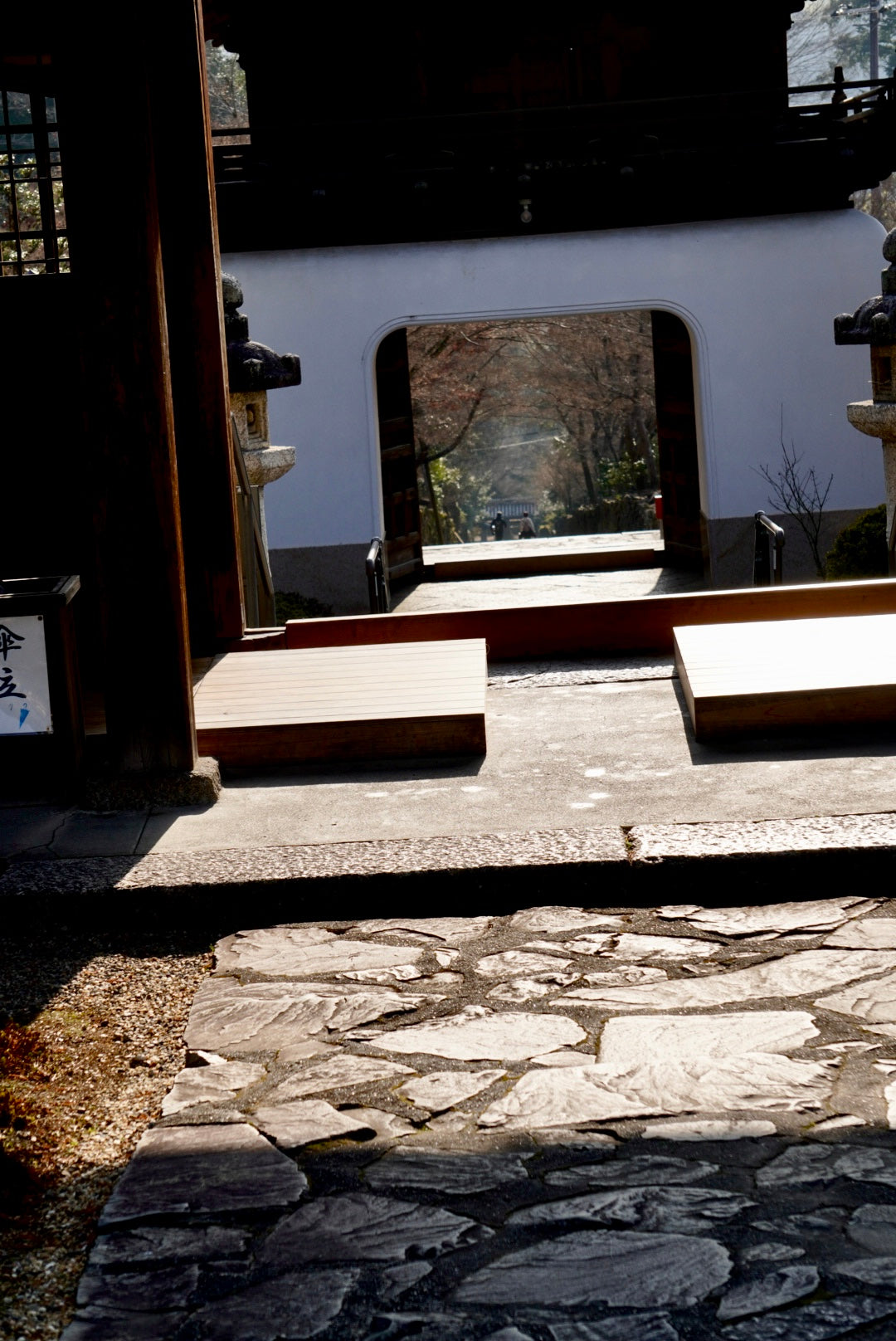
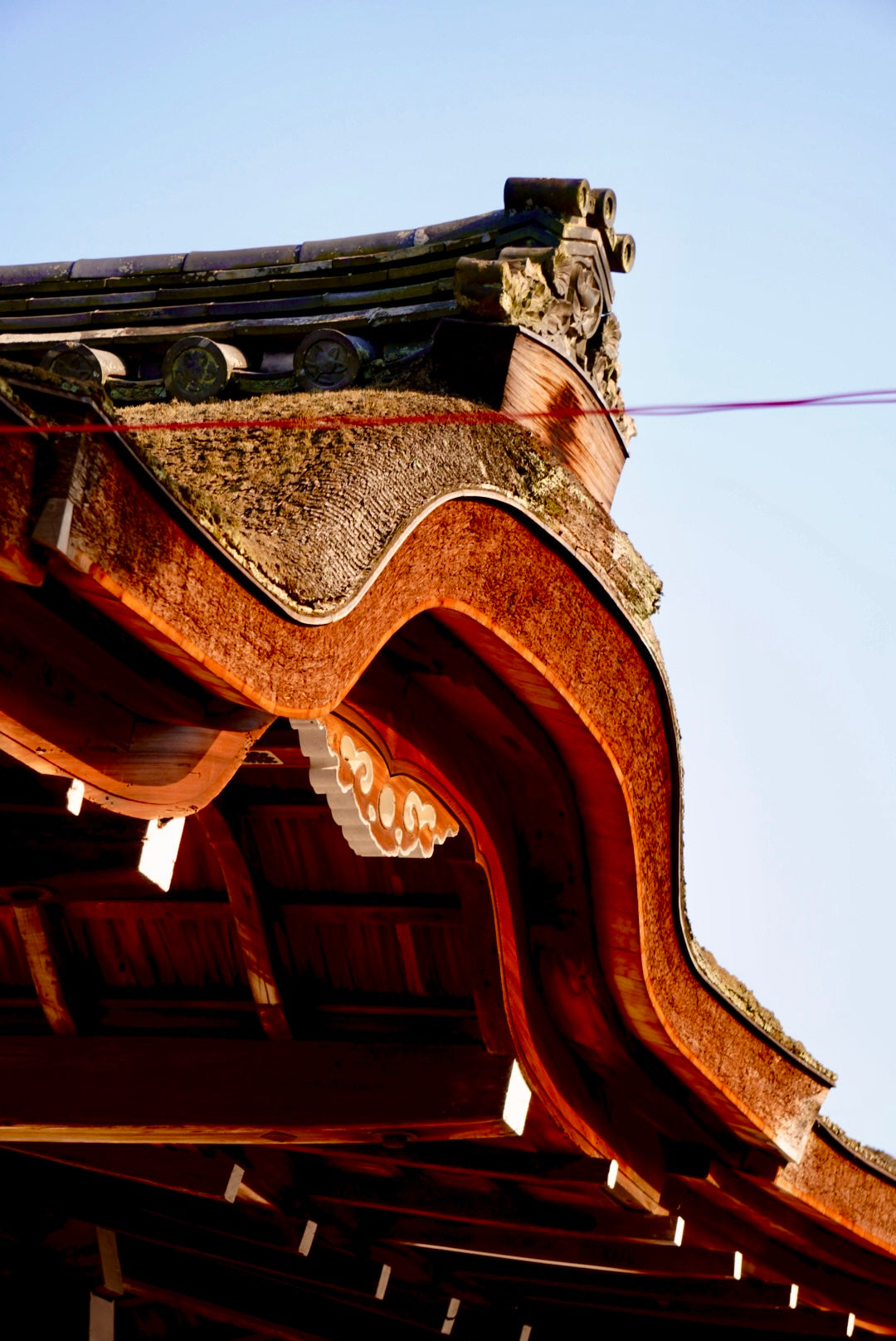
Built as a shrine to guard over the neighboring Byodoin Temple in 1060, Ujigami Shrine is believed to be the oldest shinto shrine and has is famed for its triangular roof architecture (gable).
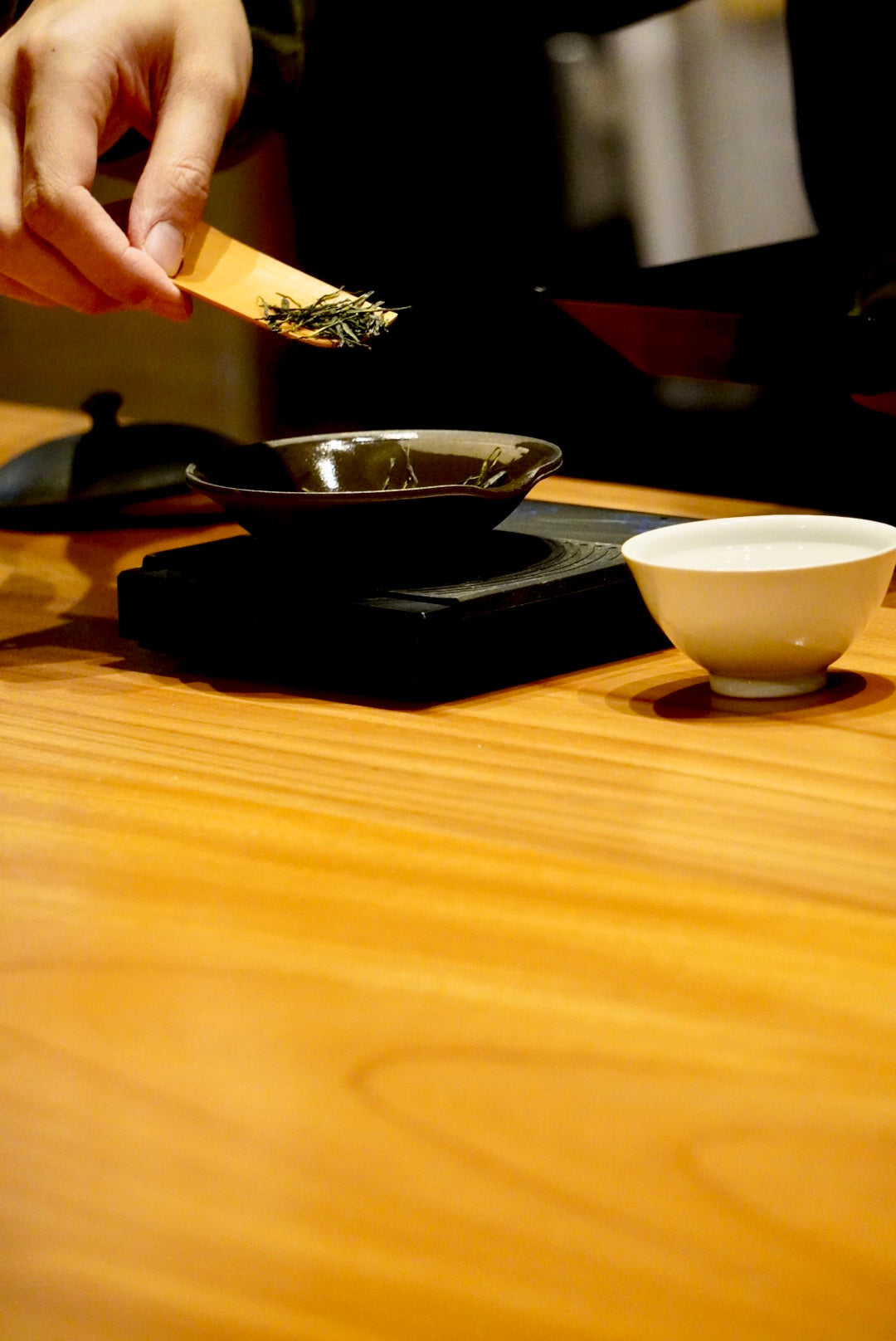
At Home With Japanese Tea
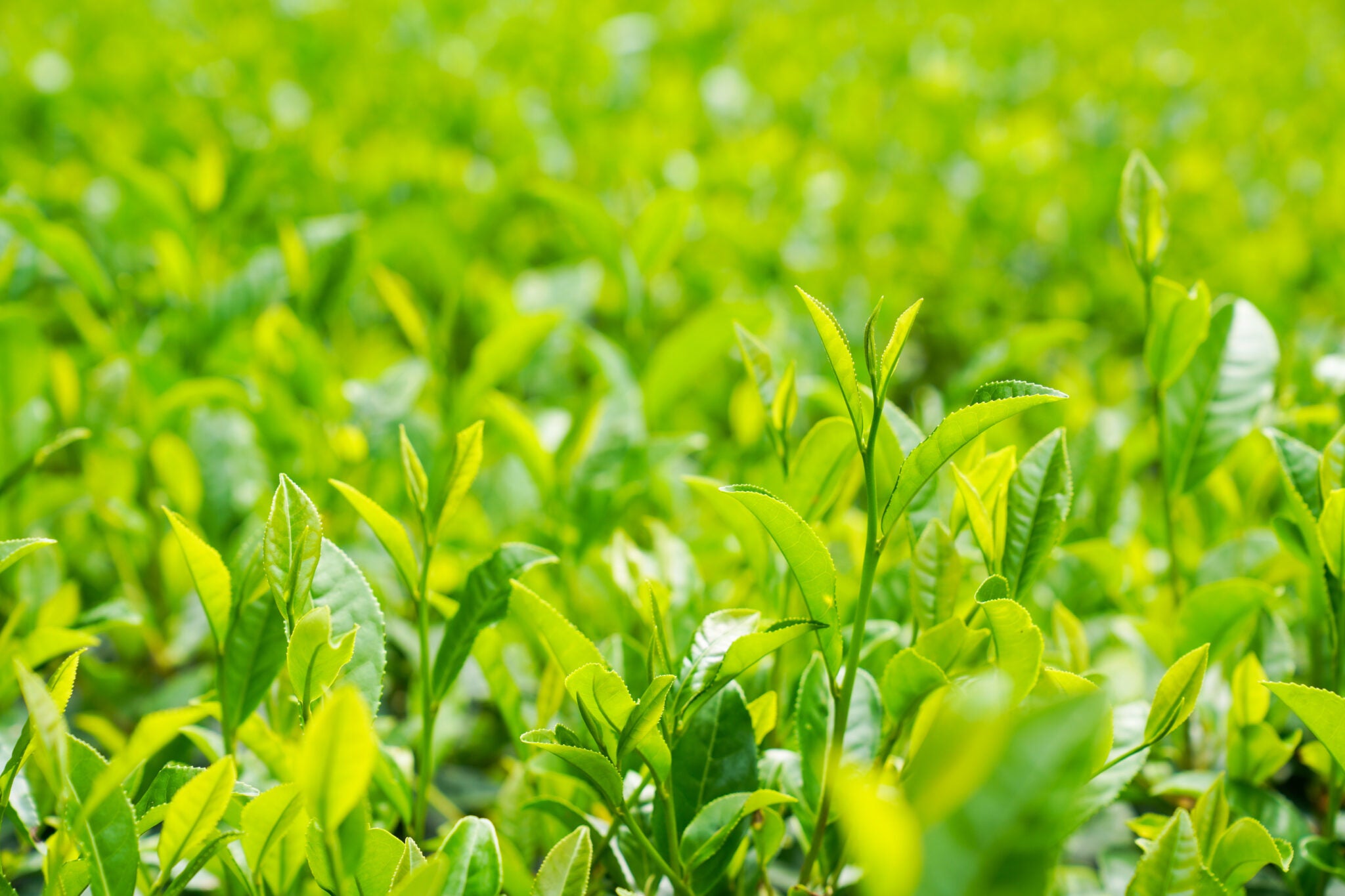
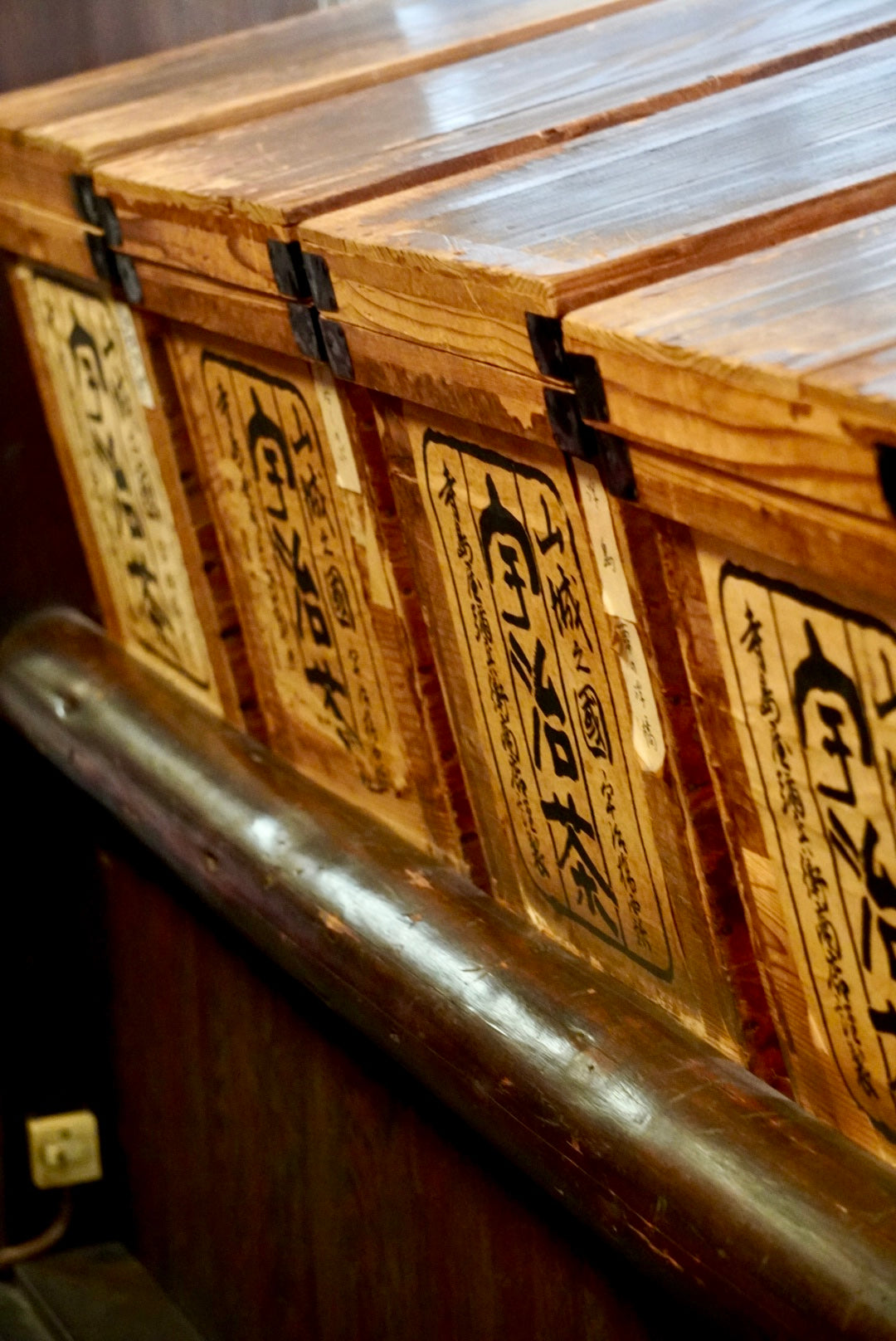
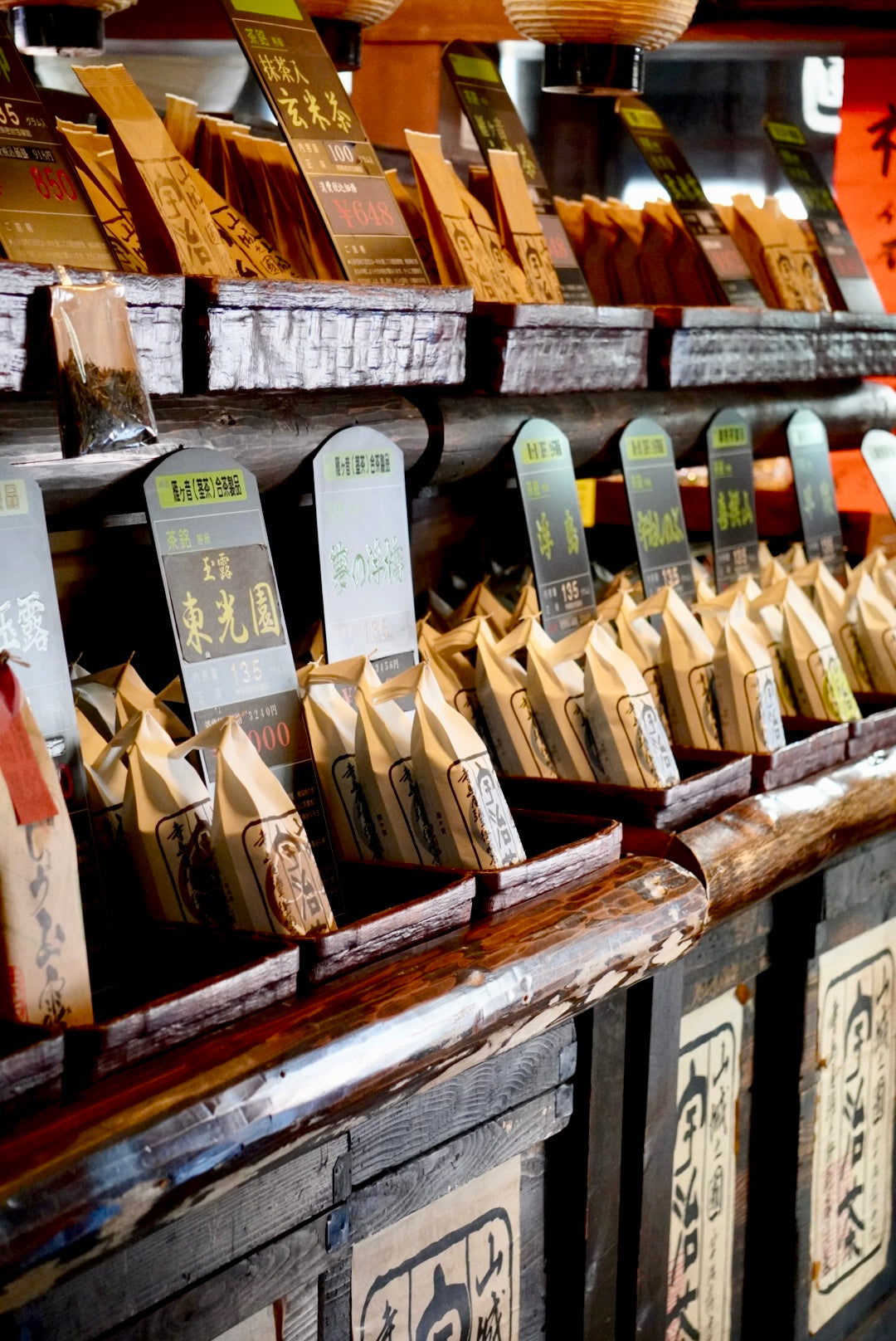
Japanese tea production is deeply rooted in the Uji region of Kyoto, once full of tea fields and now the place where matcha and sencha are celebrated, travel with us as we show you the best places to experience Japanese tea.
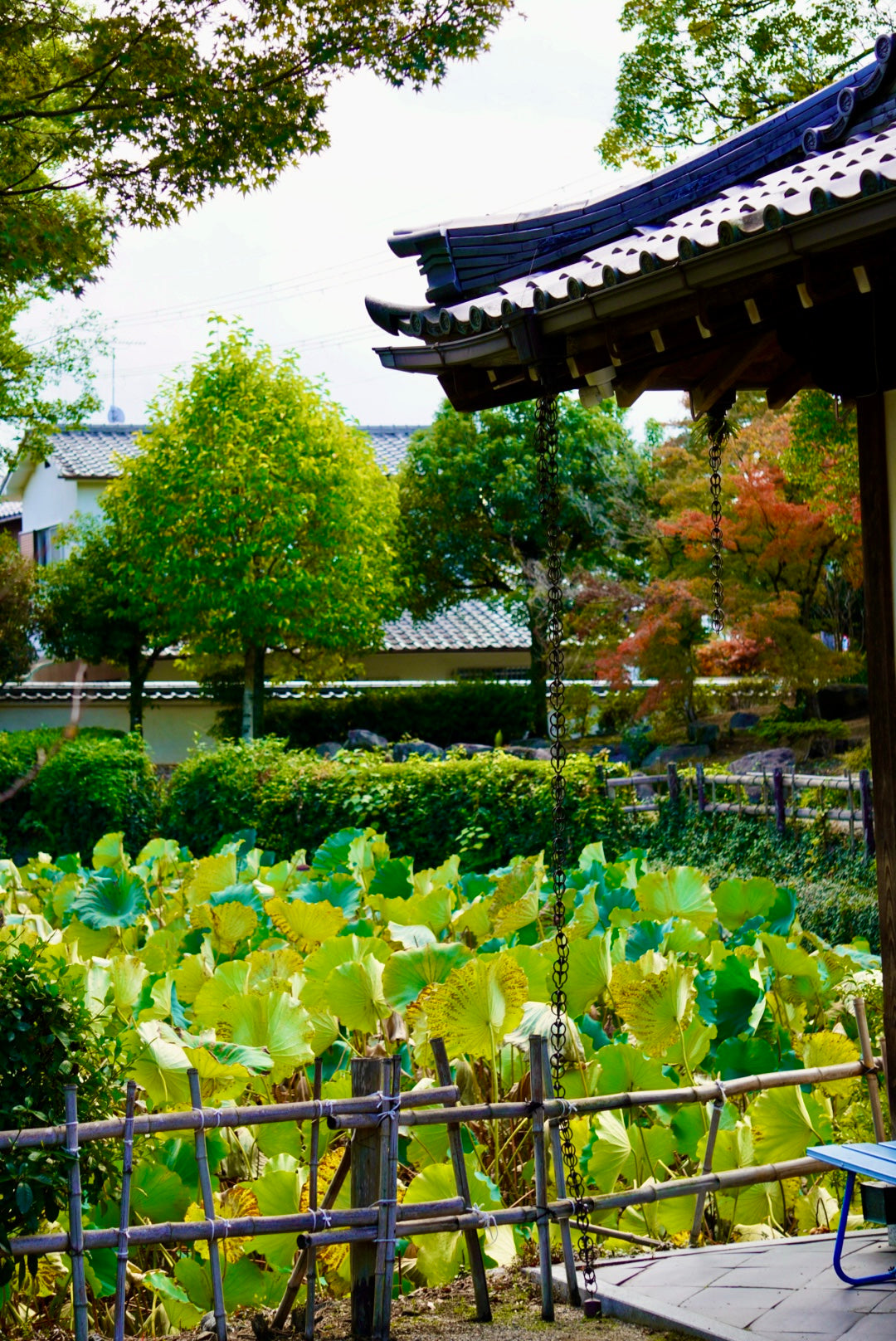
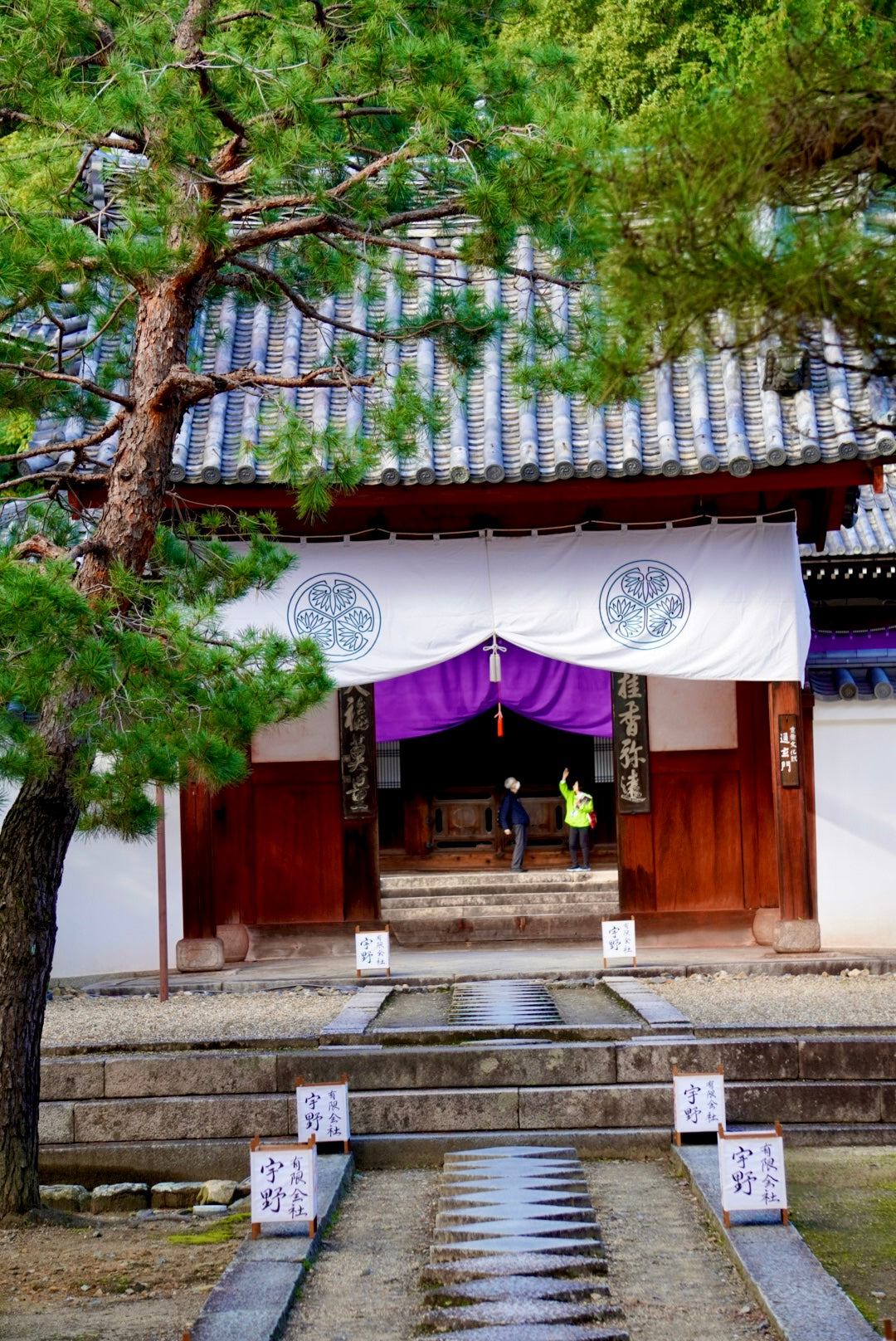
Slow Beauty
Take it slow and leisurely through the riversides, back streets, temples and shrines of Uji. Explore gem after gem while experiencing the town as the locals do.
Sample Itinerary

9AM
Meet Your Guide
Your guide will meet you at the designated meeting spot as provided in the tour confirmation e-mail. Alternatively, if you have selected the Personal Chauffeur option, you will be picked up at your accommodation.
9:15AM
1st Stop: Secluded Zen Temple
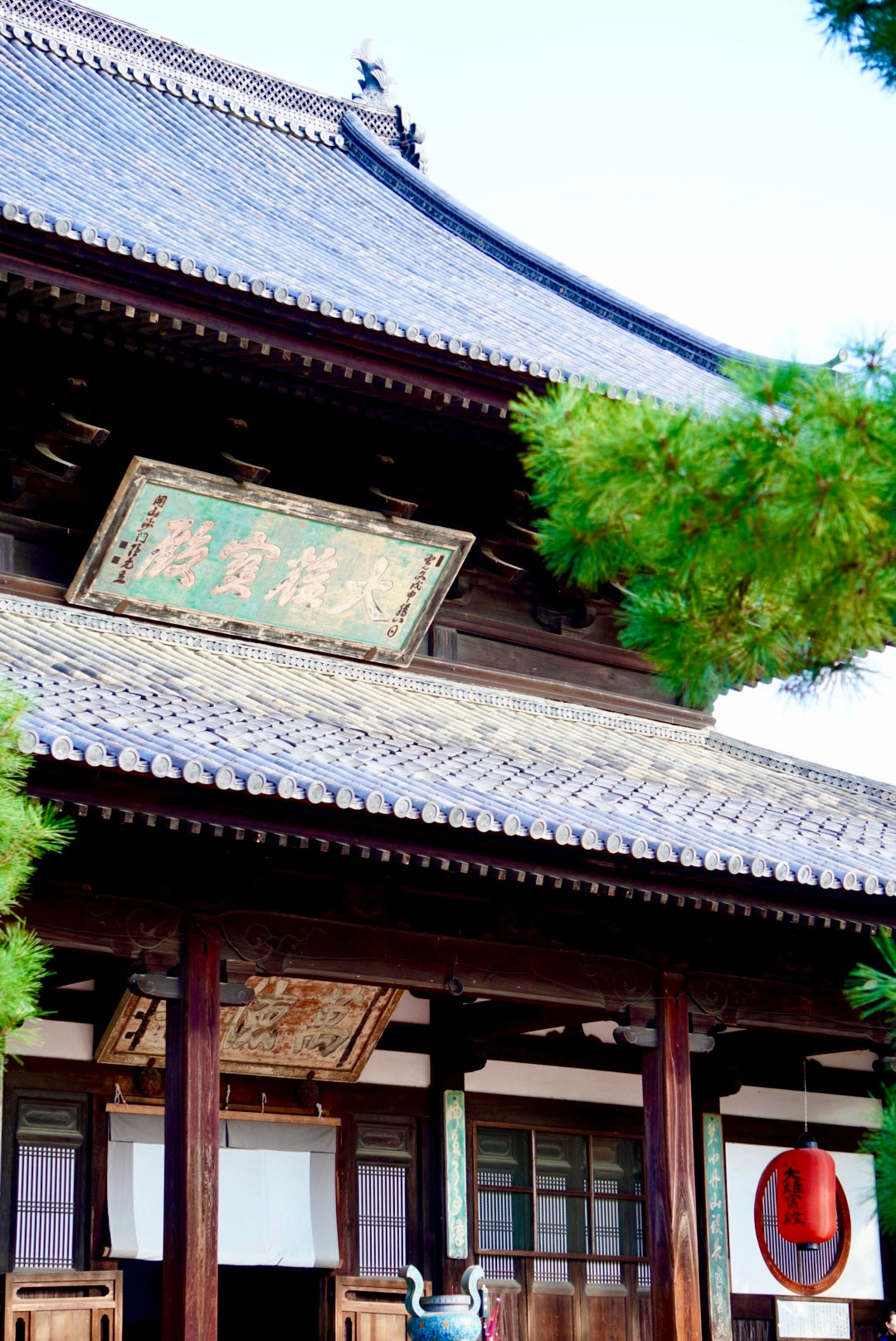
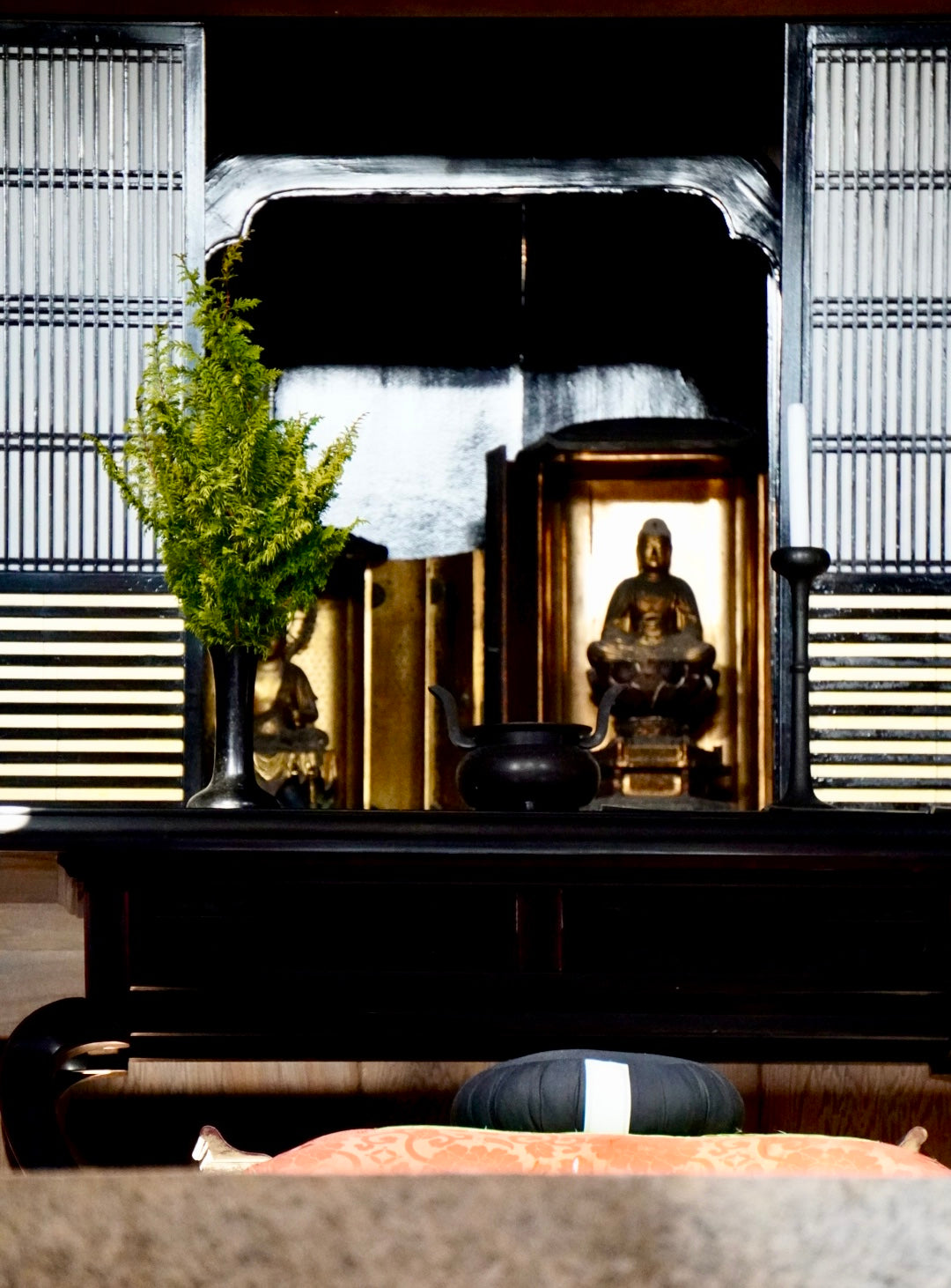
We will begin the tour at the first Zen temple in Japan--a peaceful space not well known to tourists.
You will learn its history, as well as learn which sacred tea whisk ritual is held her and where.

10AM
2nd Stop: Meet the Guardian Angels
Learn more about shintoism, Japan’s indigenous religion, where mountains, forests, trees rocks and animals are worshipped. Meet the guardians of Uji.

10:40 AM
3rd Stop: Sencha Tea Ceremony Demonstration
You will receive a sencha (loose leaf Japanese tea) tea ceremony demonstration in a traditional Japanese tea house.
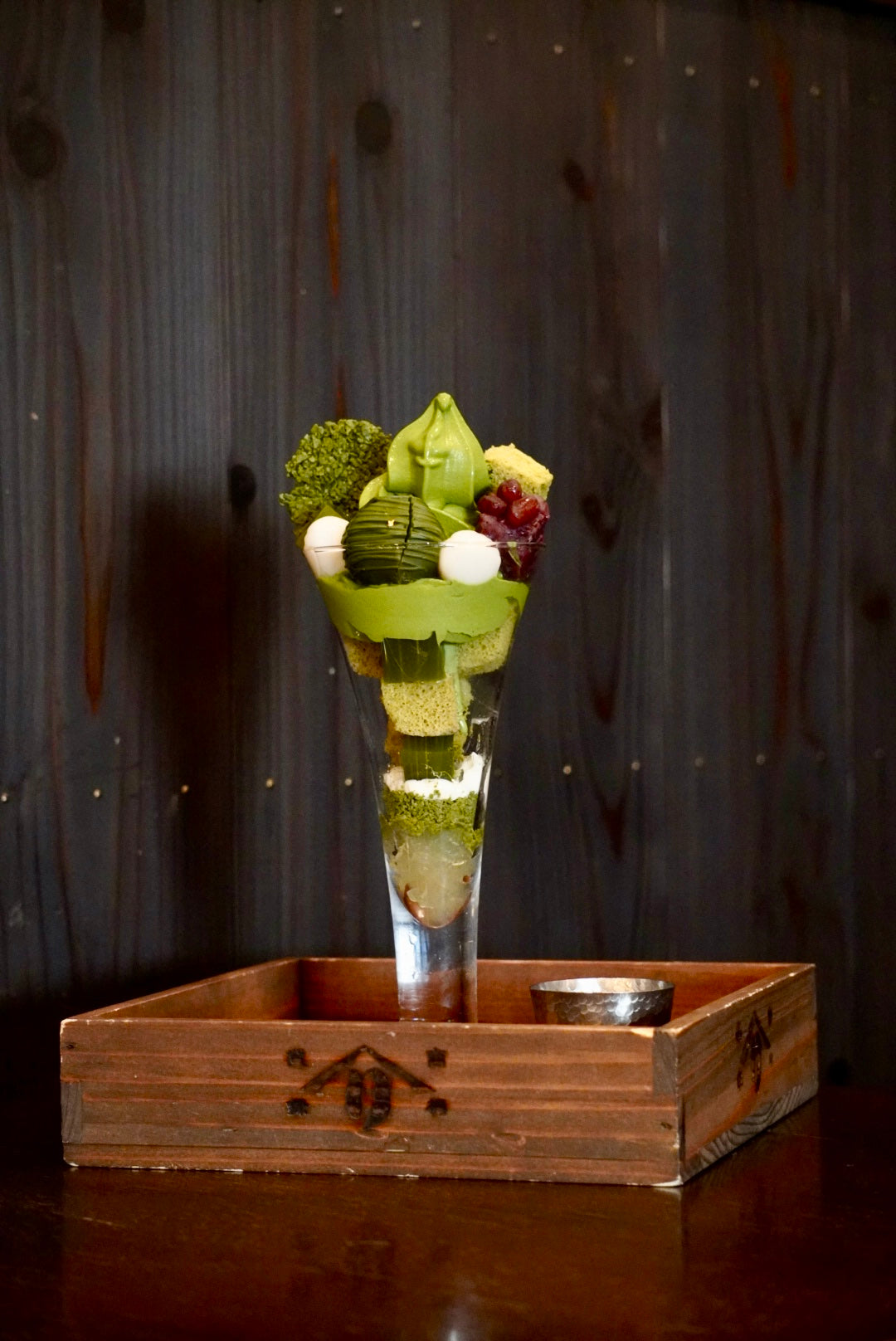
All procedures will be explained in detail and you will be given the option to receive sencha, or the highest grade of Japanese tea, gyokuro paired with Japanese sweets.

11:30 AM
Next Stops: 2-3 Iconic Tea Shops
We will introduce 2-3 iconic Japanese tea shops and inform you on how they shaped the entire Japanese tea industry.
Pairs Well With
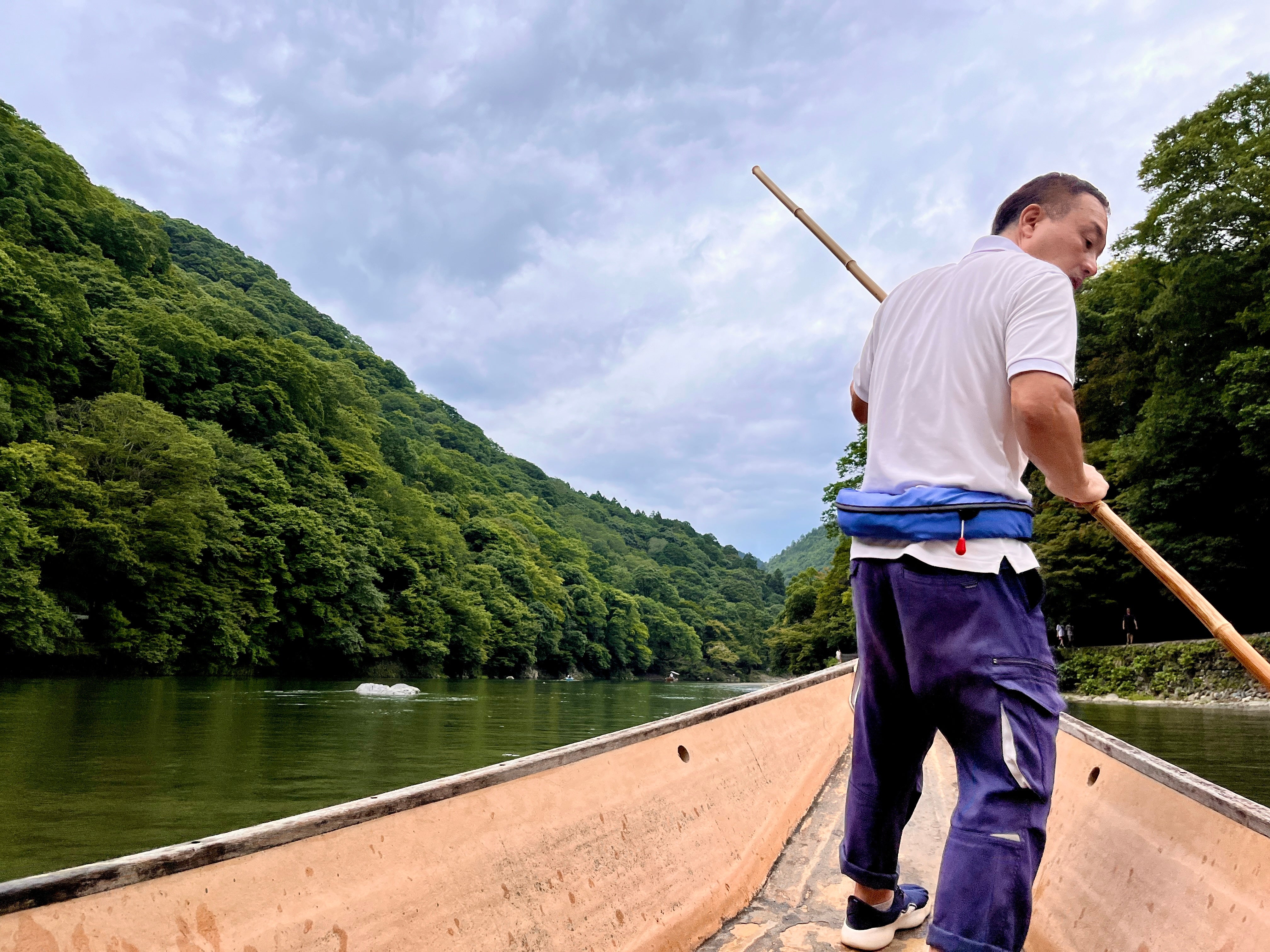




River Boat Ride
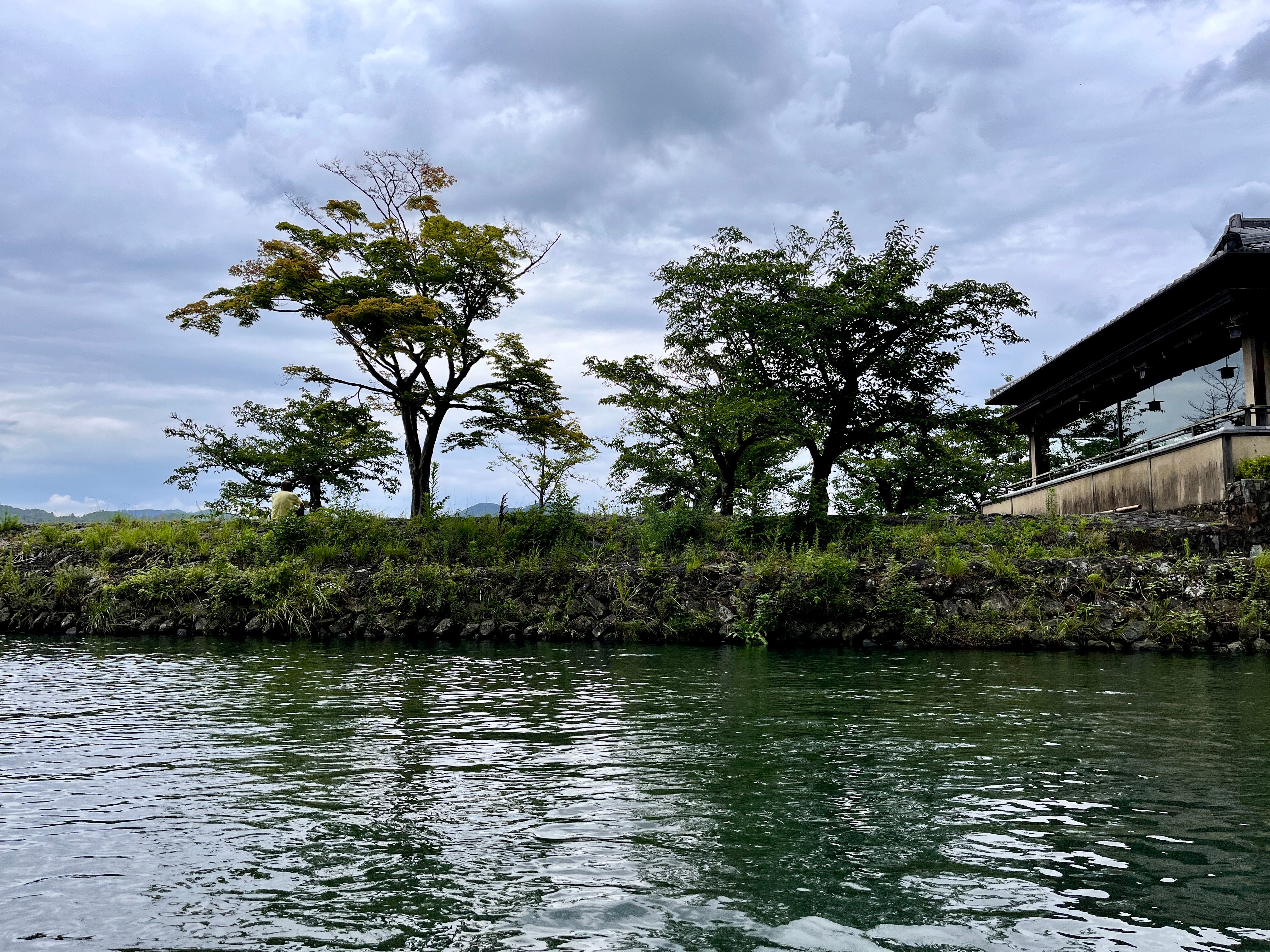
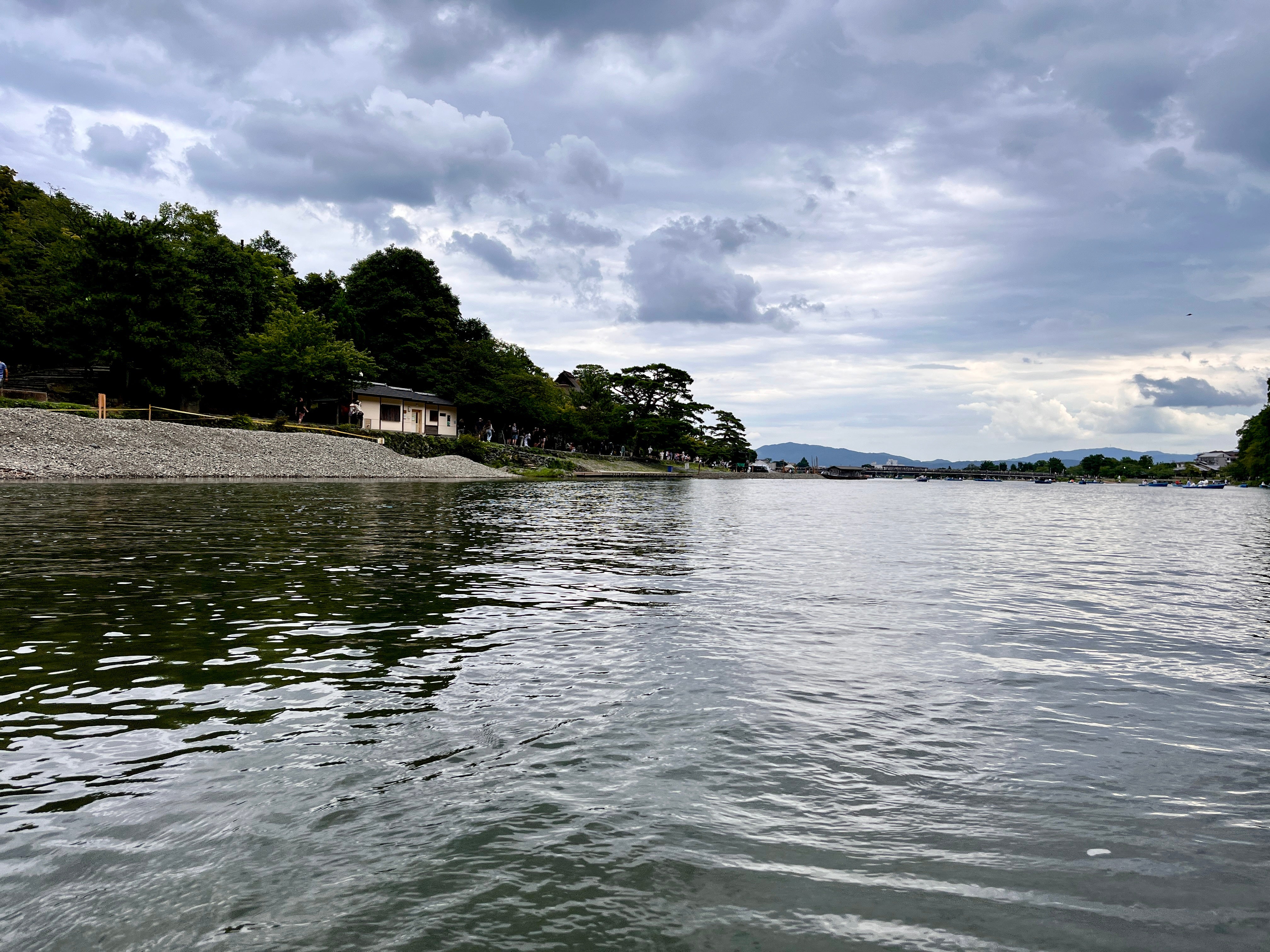
Many a tea estate in Japan are located along rivers, as the mist from the water that rises early mornings bless the tea plants by prohibiting frost from forming and damaging the delicate tea leaves.
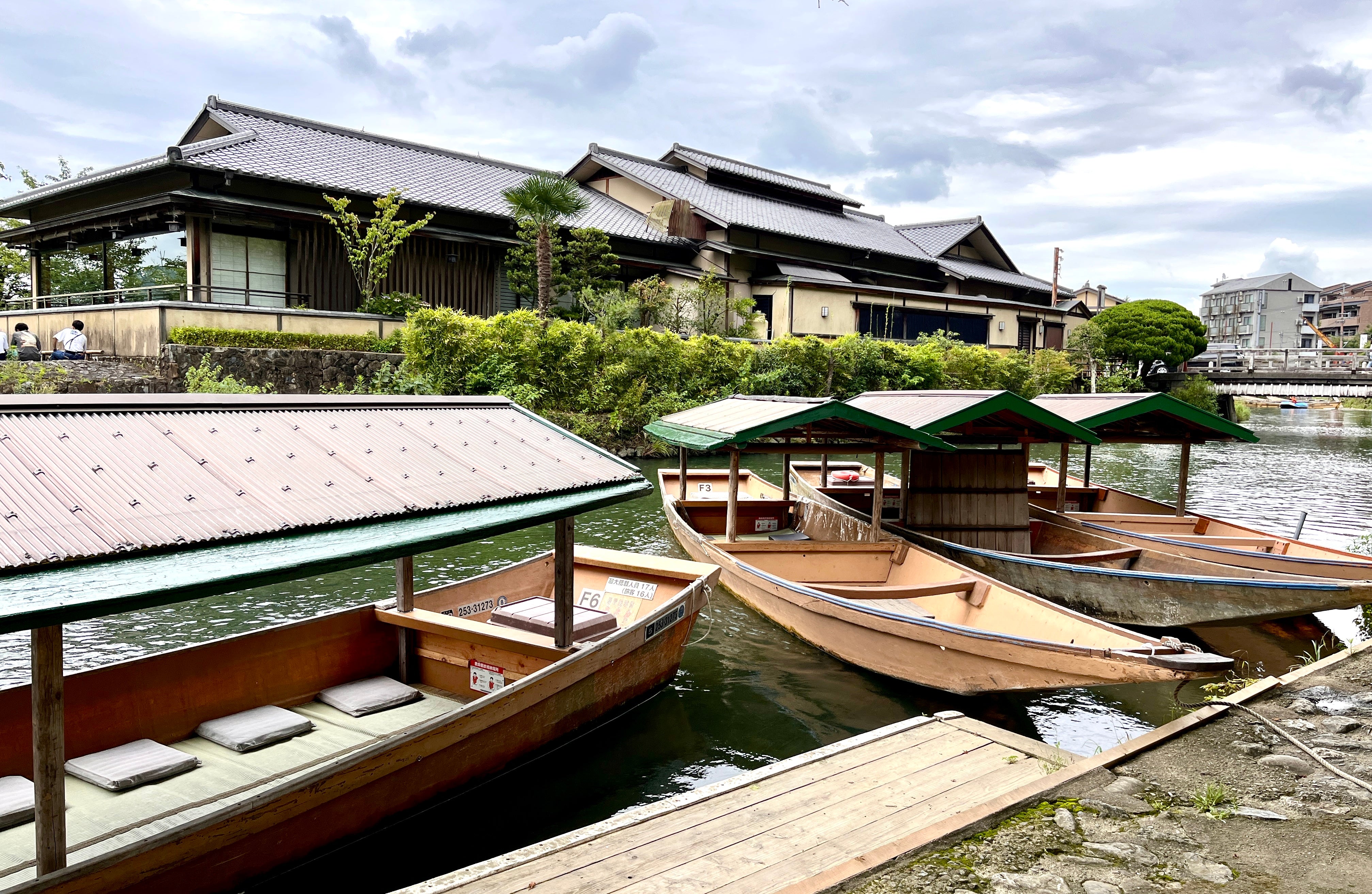
Ride along these tranquil rivers in a traditional roofed boat, or yanefune (屋根船), expertly steered with a single bamboo pole, by the helmsman, or sendo (船頭) in Japanese.
A boat ride on the Uji River offers a serene opportunity to slowly soak in spectacular views of Uji from the waterfront. Alternatively, a boat ride on the Arashiyama river sails amongst some of Kyoto's most beautiful mountain peaks.
The spring sakura and autumn foliage are spectacular when seen from the water, but other seasons deserve exploration as well . From May to June, the mountainsides and riverbanks are covered in lush, vibrant green from new leaves. Splashes of purple from late blooming wisteria may also be in view.
From June until August, sailing on top of the water offers cool, gently breezes—a pleasant respite from the summer heat, while in winter, the air becomes crisp and bare tree branches reveal the underlying formation of the mountains.
Experience Duration: 1-2 Hours, depending on location