
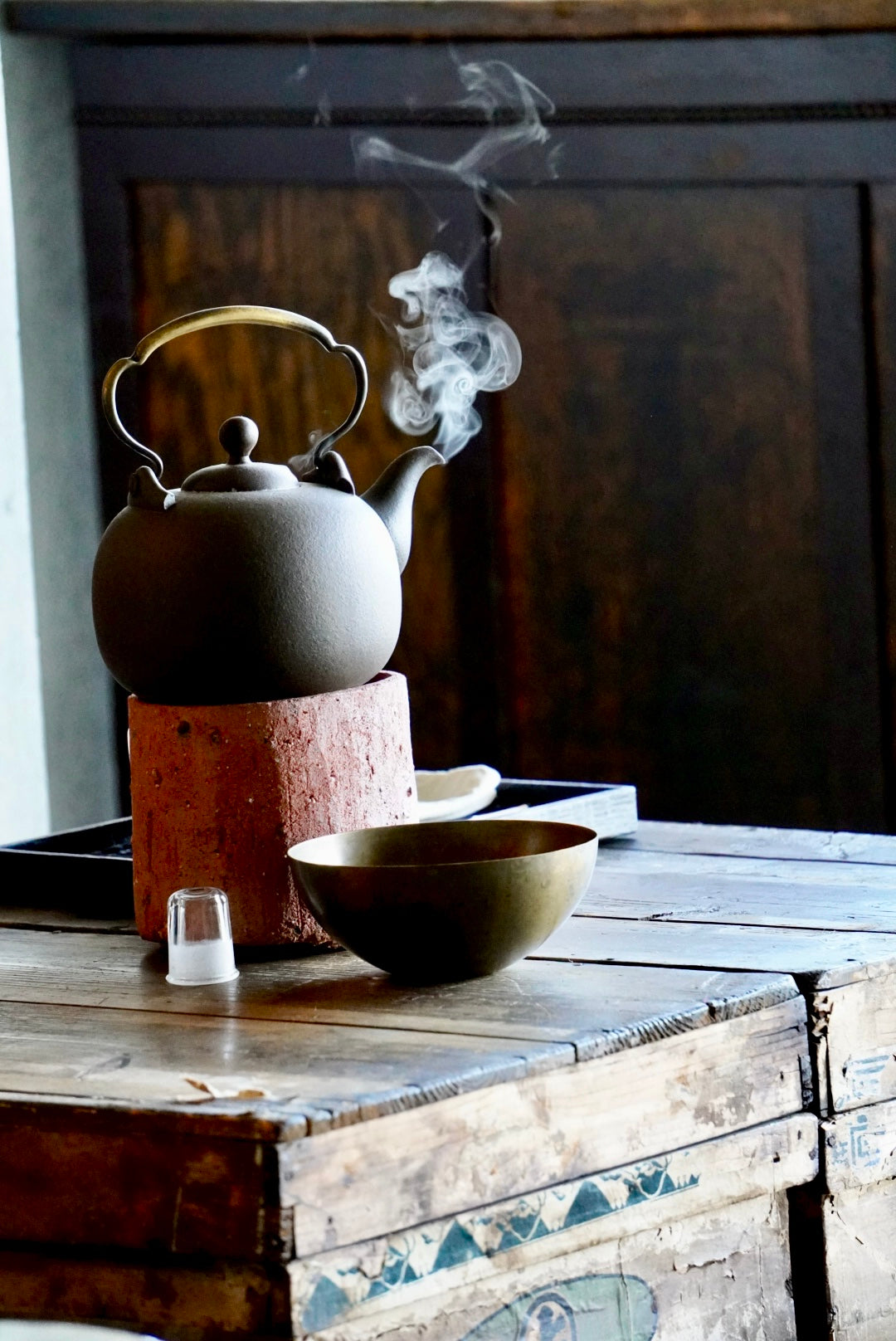
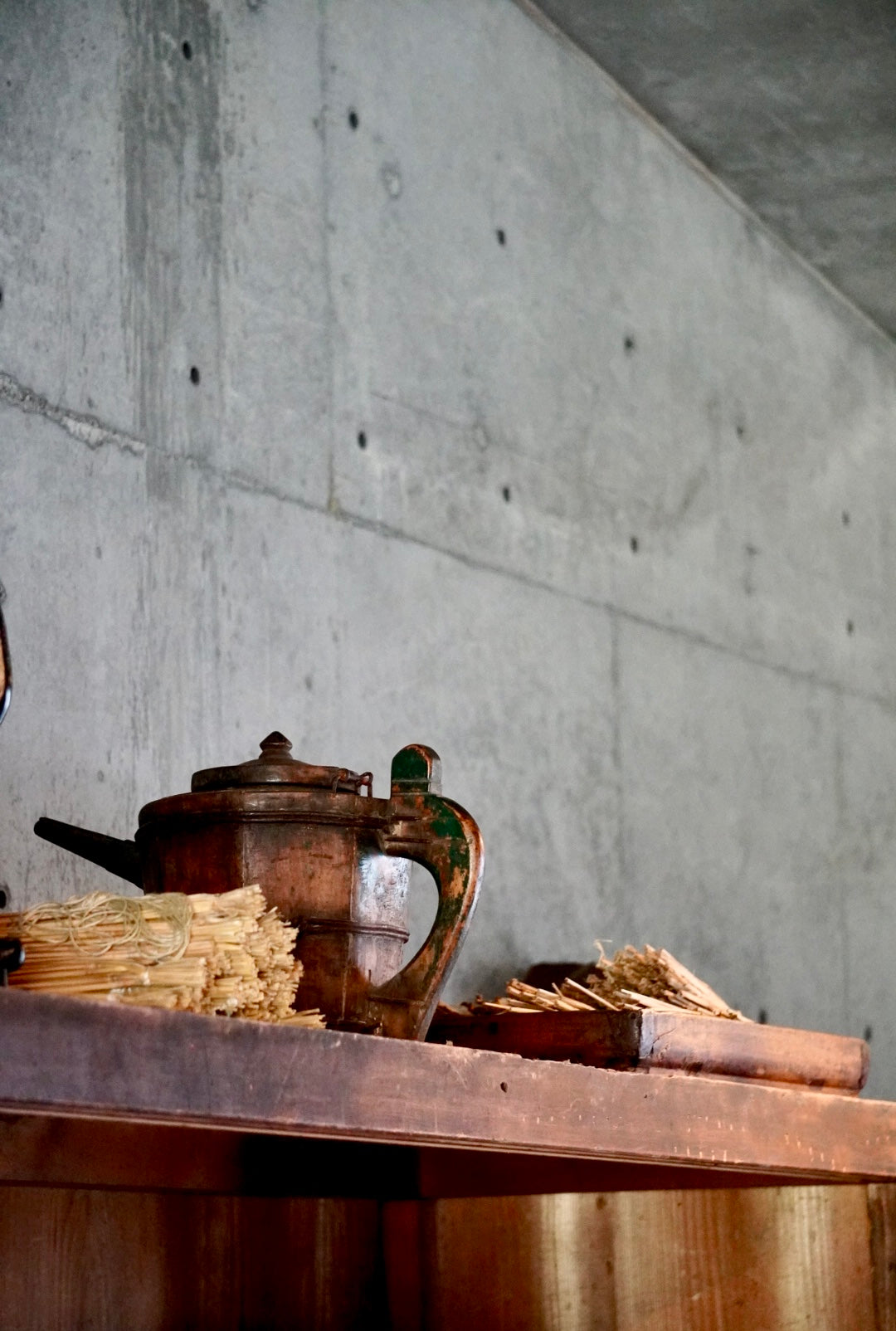
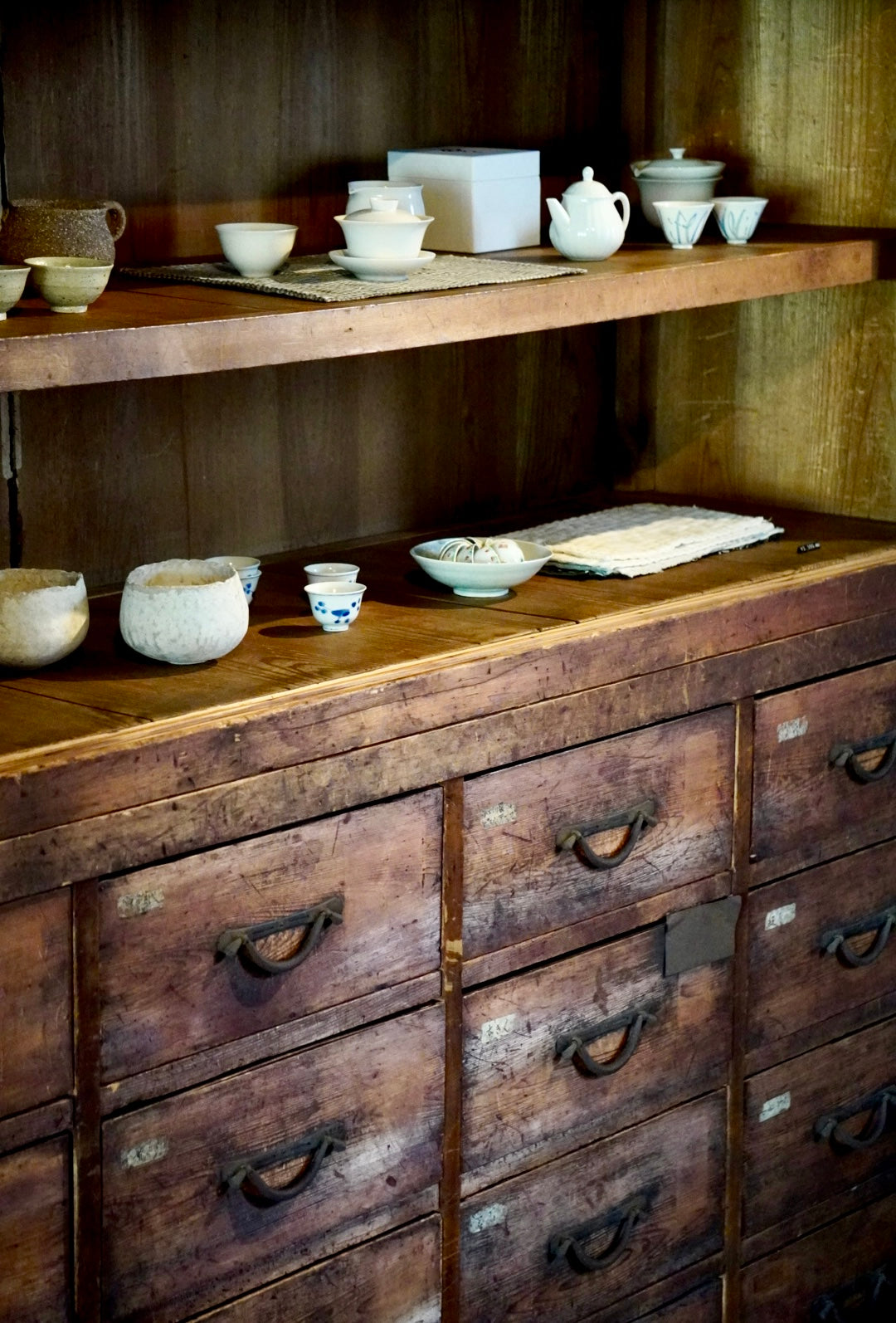
Antiquing for Tea Utensils
Venture down the beautiful path of the many varied utensils used in tea ceremony.
Explore Teramachi, an area known for tea utensils, art and Buddhist goods such as incense and prayer beads. Established in 1590 when the warlord Toyotomi Hideyoshi moved around 80 temples to the area, the name Teramachi is fitting, meaning "temple town."
During the Edo period (1603-1868), temple associated merchants began selling wares such as Buddhist statues, books, prayer beads and brushes, while artisans producing lacquerware, leatherwork, carved ivory, paper and traditional Japanese stringed instruments settled along the main street, forming the prototype for the current shopping district.
Nowadays, Teramachi is scattered with an enchanting mix of antique shops and boutiques. Many of the long-established shops remaining today are renowned establishments passed down generation after generation from businesses that flourished during the Edo period.
Known for its high end, very well preserved antique goods, you are sure to find something of yesteryear that fits seamlessly with the present. Gain unique insight as we will show you the hidden tea utensils shops, share their history as well as stop by an iconic matcha shop for a treat.
Experience Duration: 1-1.5 Hours
What You'll Do
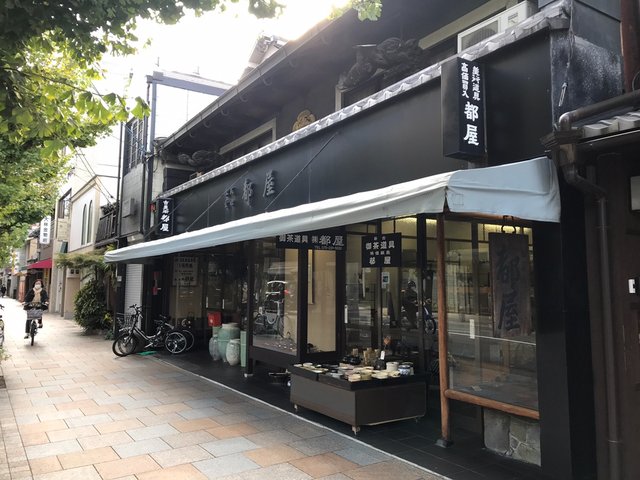
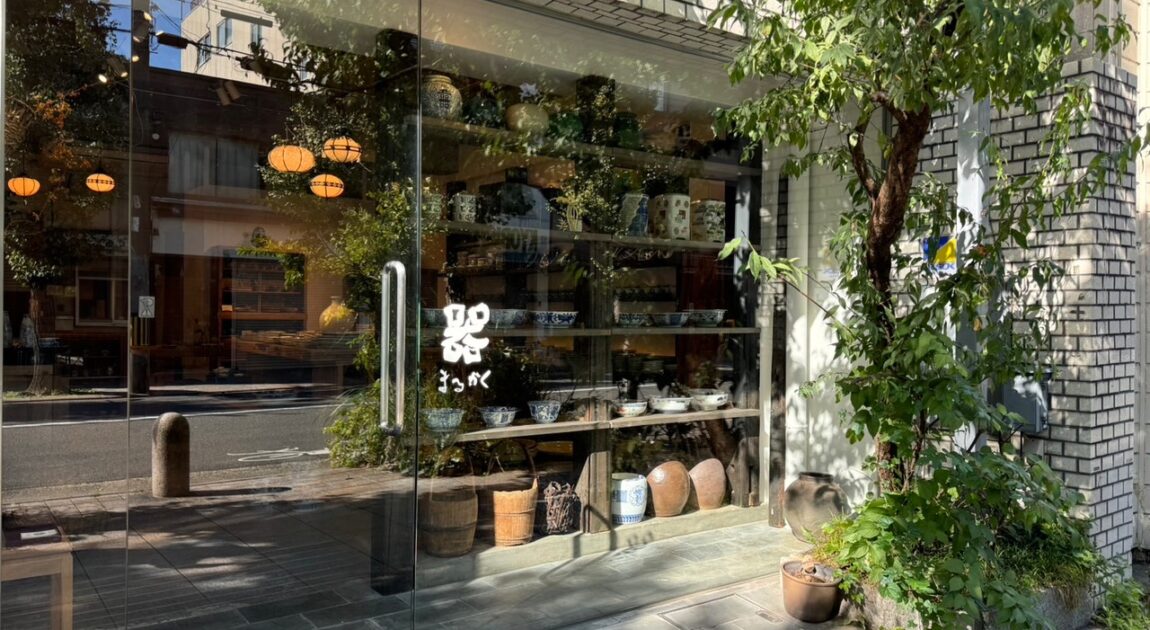
Visit 2-4 antique stores in the area. The antique stores can be the ones pictured on this website, or we can recommend others.
While in transit to each store, you will learn about the neighborhood, the families running the shops and how the town has changed over the years.
What's Included
☆ Recommendations on and guidance to antique shops
☆ Explanation of products, if desired
What's Not Included
☆ Any guest purchases
☆Shipping/transportation/storage of any purchases
Guest Requirements
☆ Guests are required to behave in a civil and respectable manner.
☆ In some of the places we visit, shopkeepers may not be well versed or comfortable with accommodating international tourists. As such, you will be expected to absorb the local customs.
Your guide will inform on etiquette.
Activity Level
Accessibility Level: Fair to Medium
This a a walking experience. While the streets are paved, the surface may be uneven or heavily gapped. Flat, comfortable shoes are recommended.
A taxi can be taken at participant expense.
Wheelchair Accessibility: Can be challenging
☆ Inform Concierge as best visited with assistance
☆ Smaller establishments may not space for wheelchairs to enter
Accessibility Level
While wheelchairs can be taken on the street, not all shops are large enough to accommodate.
Pets, comfort animals and on occasion small children are generally prohibited.
Your understanding is greatly appreciated.
How To Order
The Antiquing for Tea Utensils experience can only be purchased in combination with a tour and not as a standalone experience.
1: Adjust the quantity to match the number of experience attendees. For example, if four people are attending, then the quantity should be set to 4.
2: Add experience to cart.
3: Prior to checkout, ensure there is one or more tours added to your cart. The date of the experience will be the same date of the tour selected.
5: Check out to complete reservation. Our Concierge will contact you shortly thereafter to confirm logistics and answer any questions.
Once confirmed, you will be sent a payment link. Payment is due within 24 hours of the link being sent and payment constitutes a placed order.
Cancellation Policy
No Cancellation Fee Levied; 100% of Order Amount Returned
Pairs well with
This experience must be purchased in combination with a tour
Adjust the quantity to match the number of experience attendees
All tour add-ons subject to availability checks
Antiquing for Tea Utensils
If you have any questions, you are always welcome to contact us. We'll get back to you as soon as possible, within 24 hours on weekdays.
-
Customer Support
Use this text to answer questions in as much detail as possible for your customers.
-
FAQ’s
Use this text to answer questions in as much detail as possible for your customers.
茶道具 Tea Utencils
Journey to the Past
Take a moment for Japanese sweets in a tranquil environment. On this foodie tour, we will guide you to the best modern tea houses in the city.
Teramachi Street Town Name Origins
Developed as a temple district, the areas along Teramachi Street are named after temples. “Shikibu-chō” derives its name from Seishin-in Temple, while Enpuku-ji-mae-chō was named after Enpukuji Temple. Further south, Higashi-Ōmonji-chō was said to be called Ōmonji-chō during the Edo period.
Did You Know?
Did You Know?
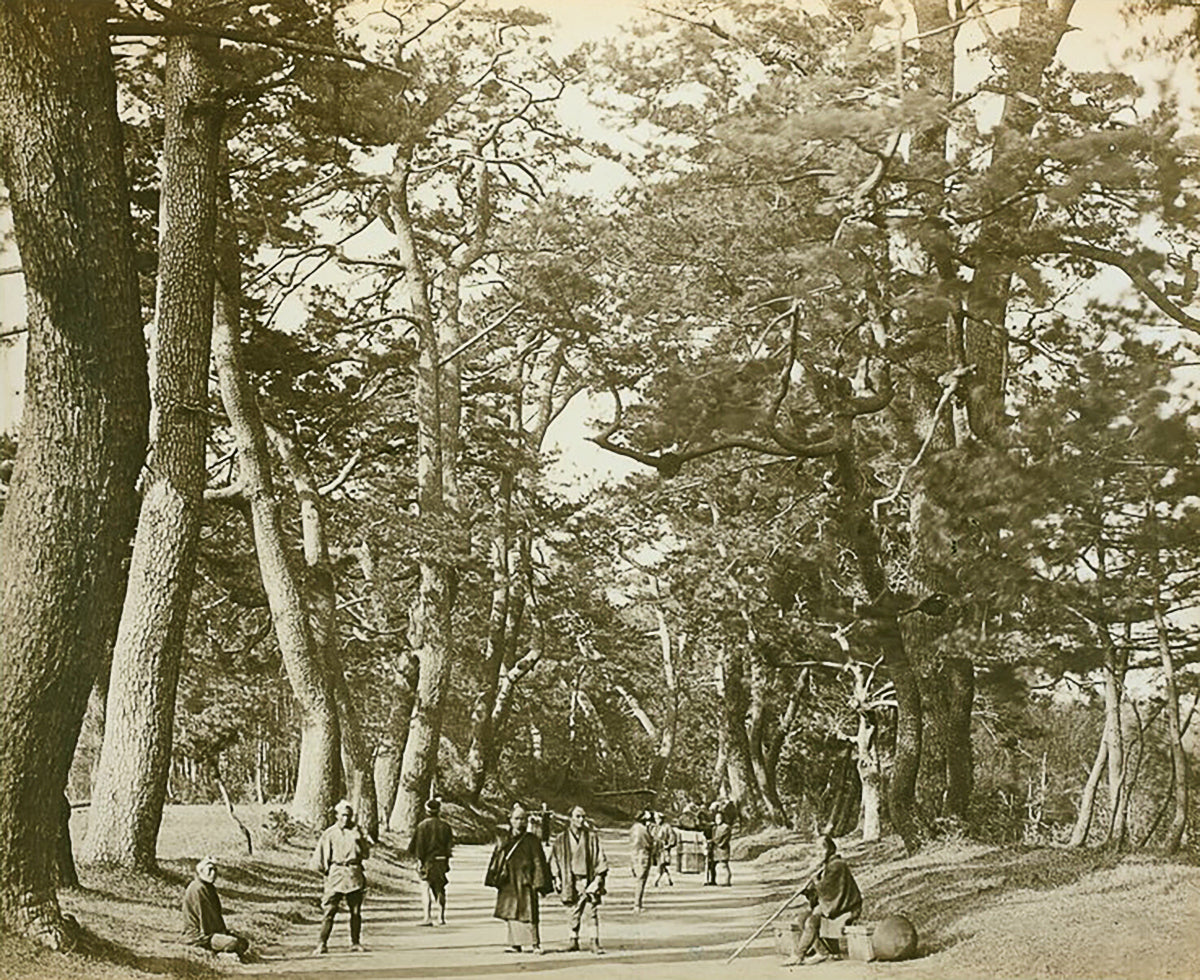
The street known as Teramachi Street starts just south of Kyoto Imperial Palace and runs for 700 meters.
In the the Edo period (1603-1868), a route spanning from Edo (modern day Tokyo) to Sanjo Ohashi (now Kyoto) called the Tokaido Gojyusan-tsugi, had 53 rest stops along it—the final one named Teramachi Sanjo, which is modern day Teramachi Street, thus demonstrating just how popular the area was nationwide.
Sample Itinerary

1:15 PM
1st Antique Shop
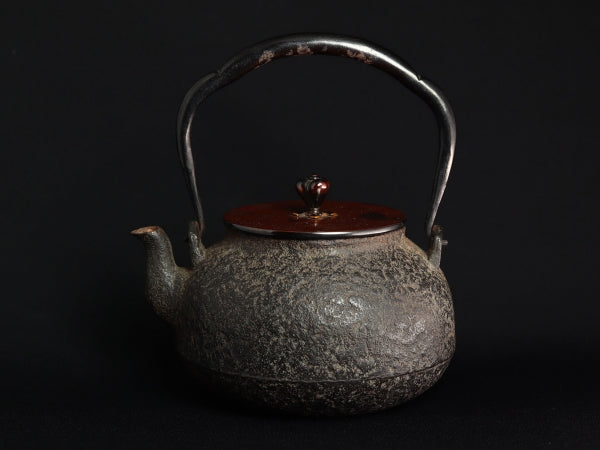
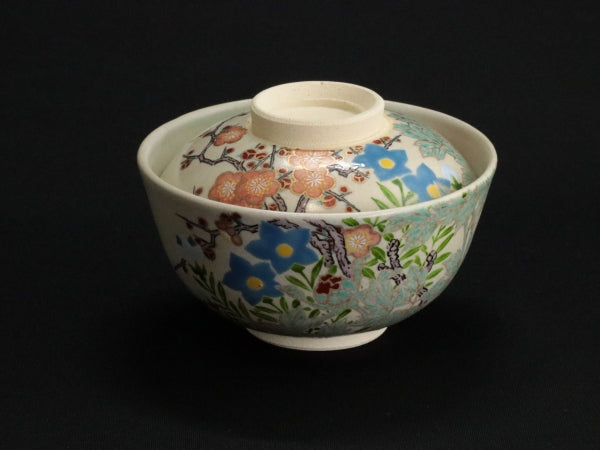
This antique shop has ceramics, lacquerware and metalwork suitable for tea ceremony use and flower arranging from the 18th to 20th centuries.

2:15 PM
Antique Shop #2
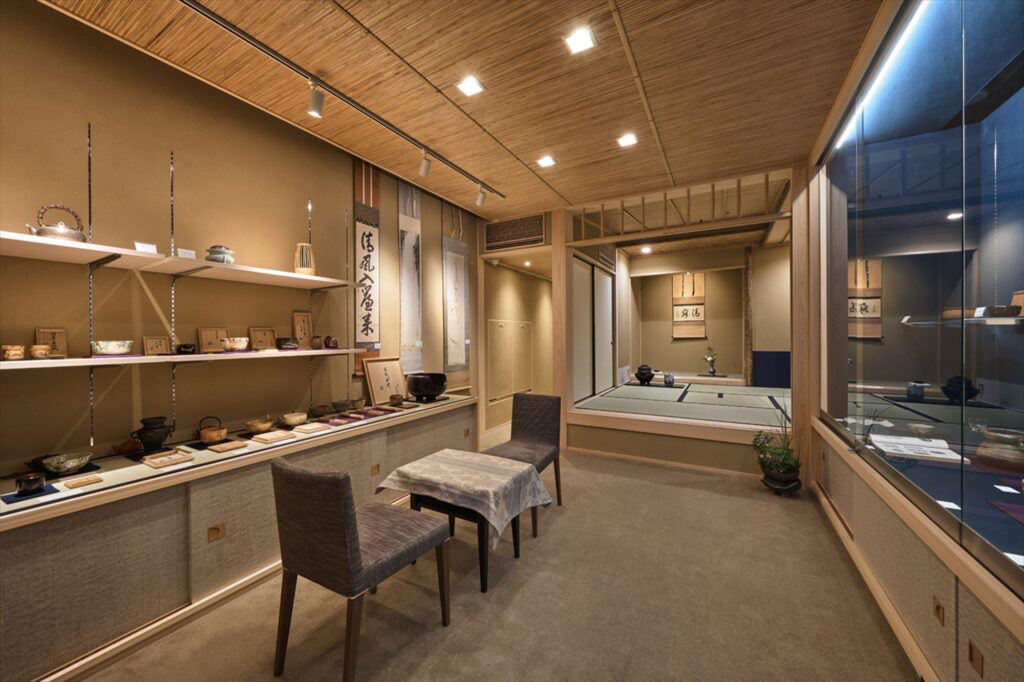
This shop, renovated to a modern Japanese aesthetic...

2:45 PM
Antique Shop # 3
This renowned tea utensil shop

3:13 PM
4th Stop: Iconic Tea House
With lines often out of the door, this iconic matcha manufacturer was a pioneer in xxx. We will tell you how they shaped the entire Japanese tea industry while enjoying sweets at their in-house cafe.
Pairs Well With
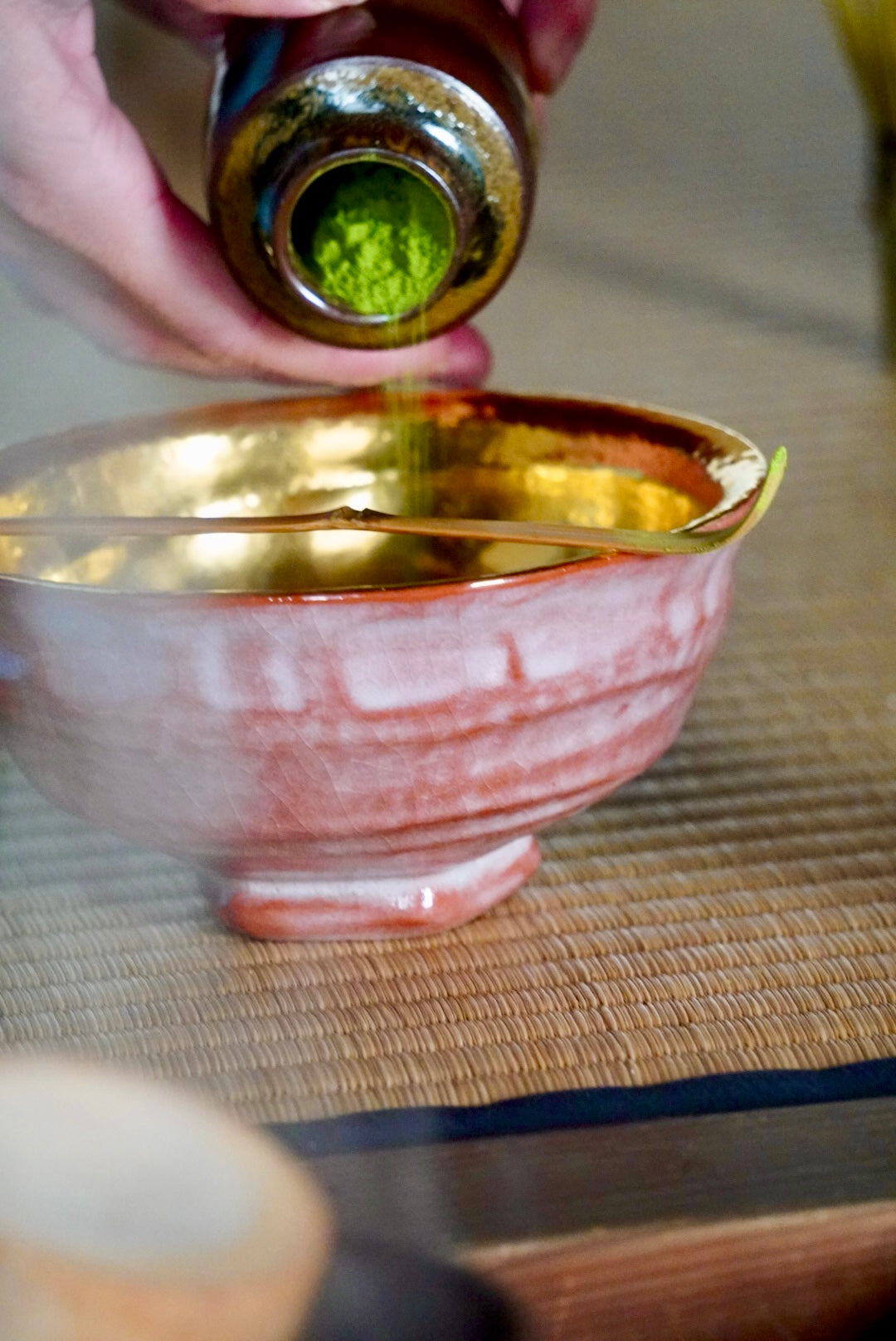
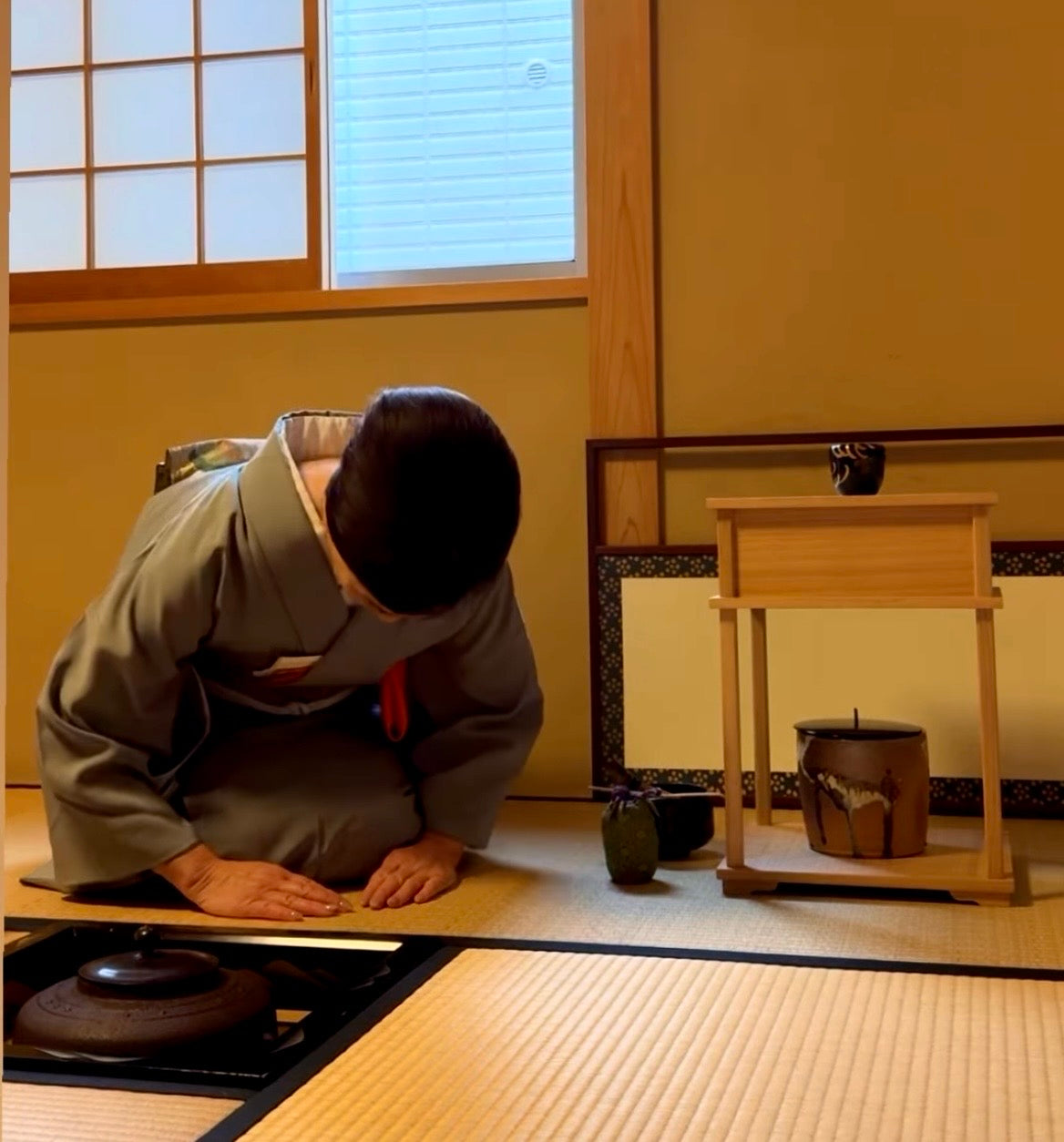
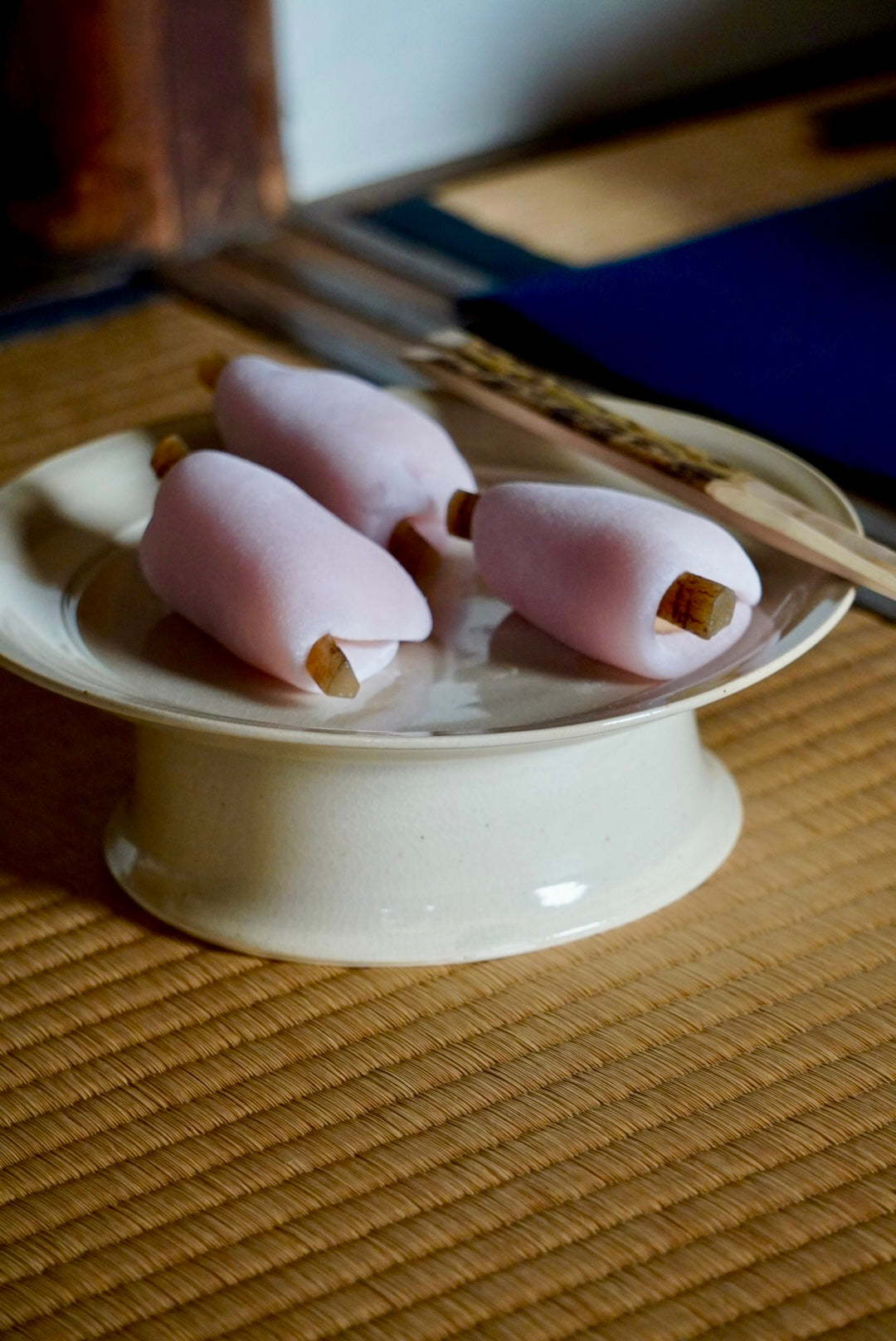
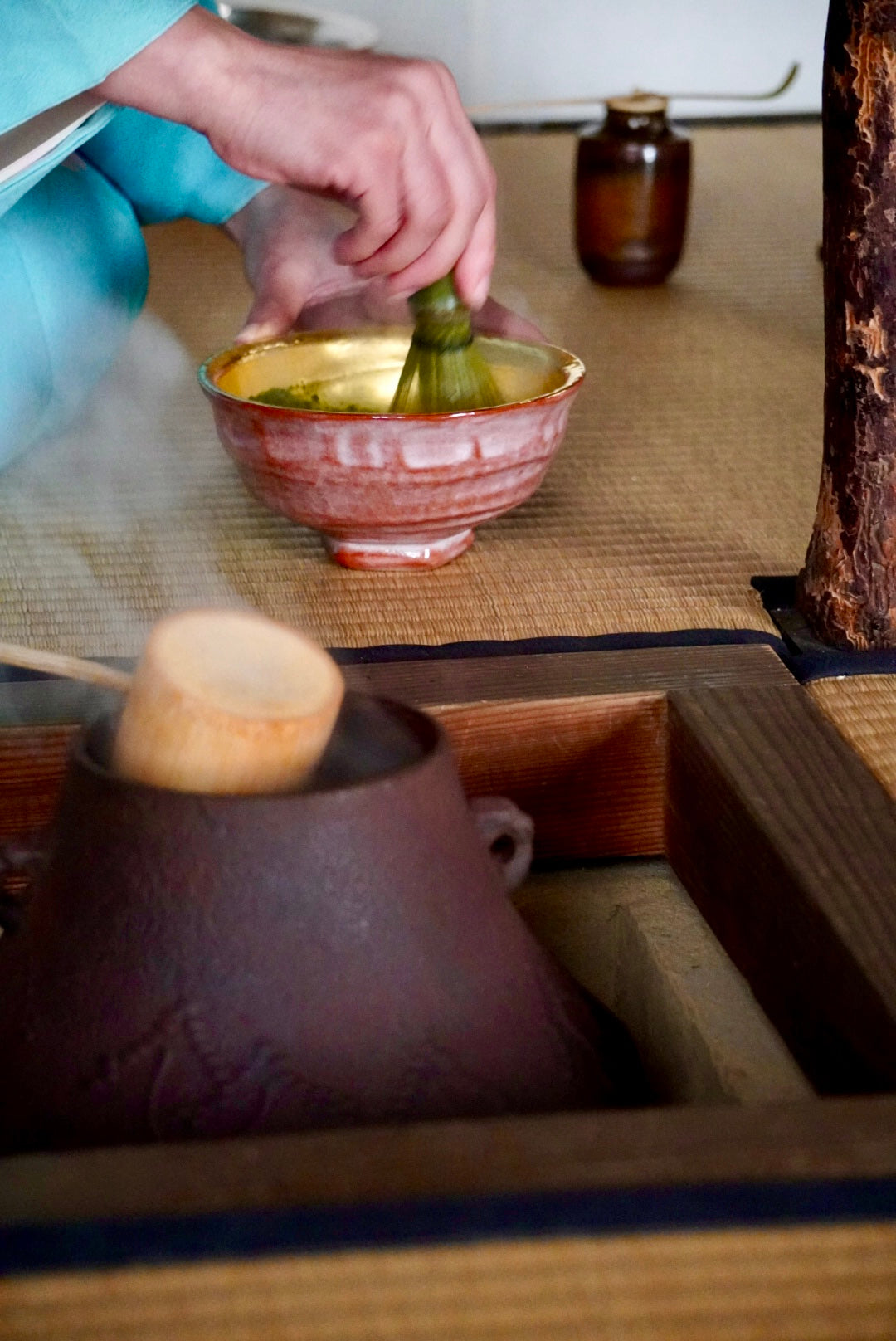
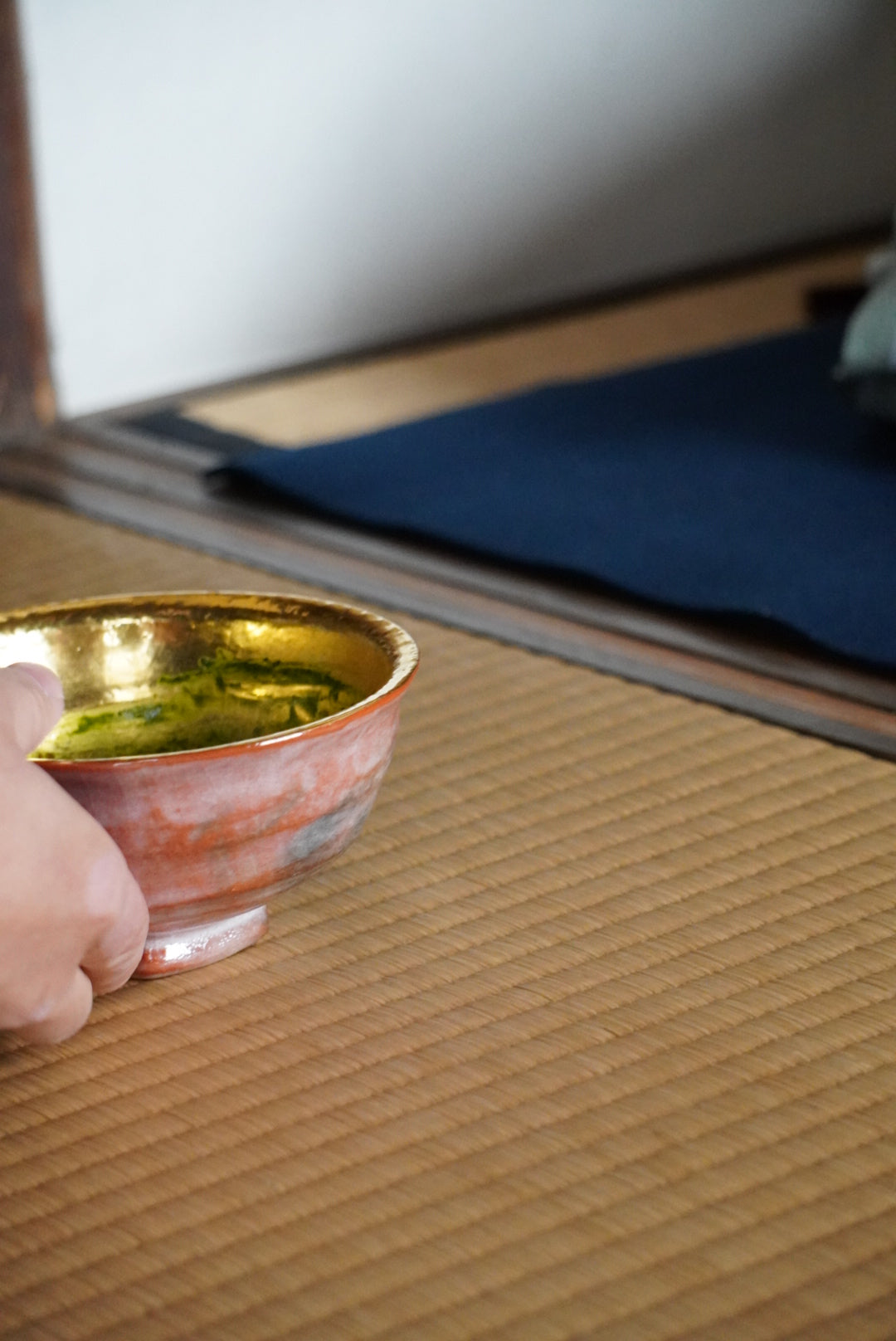
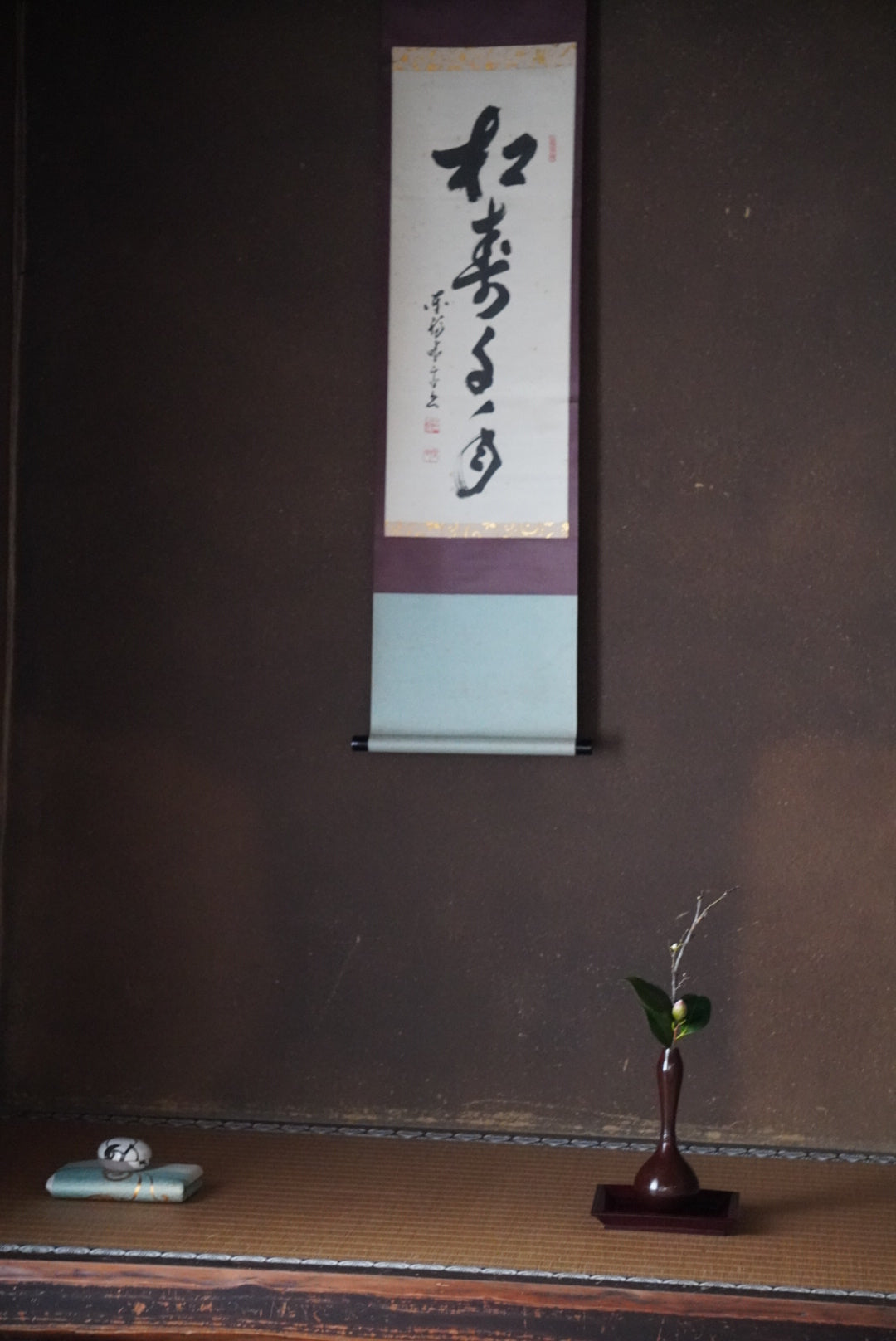
Matcha Tea Ceremony Demonstration
Tradition unchanged for 450 years. Experience a Japanese matcha tea ceremony demonstration in a tranquil environment.