Calligraphy Lesson
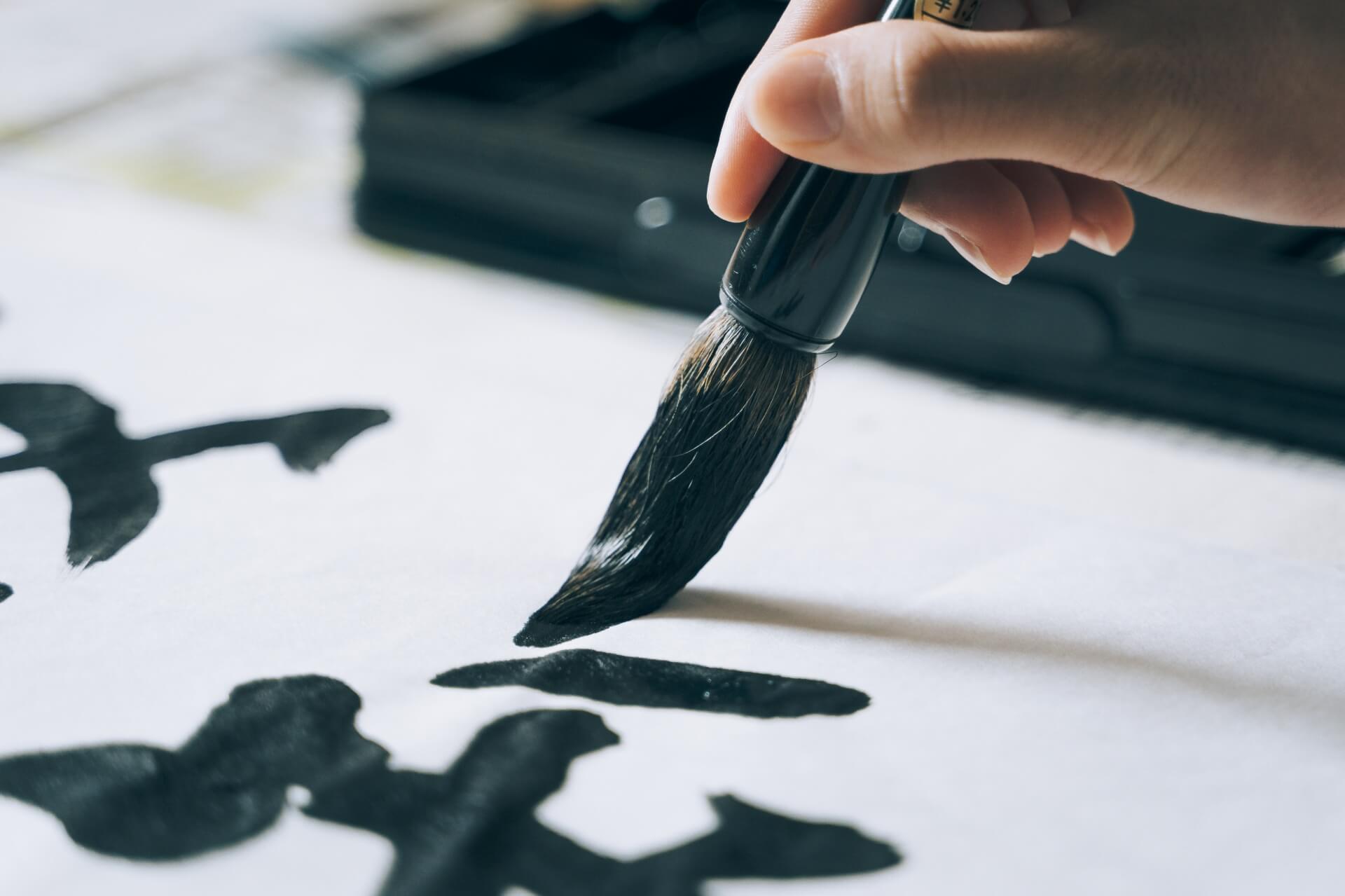
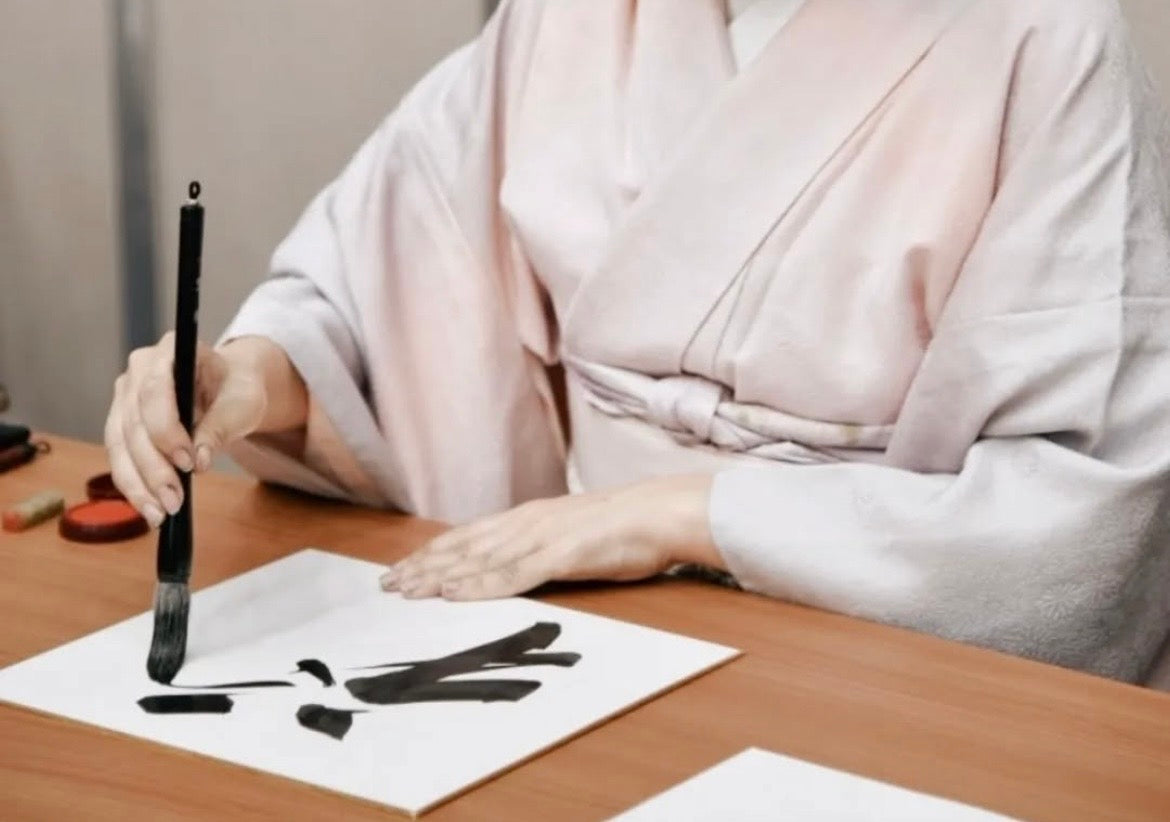
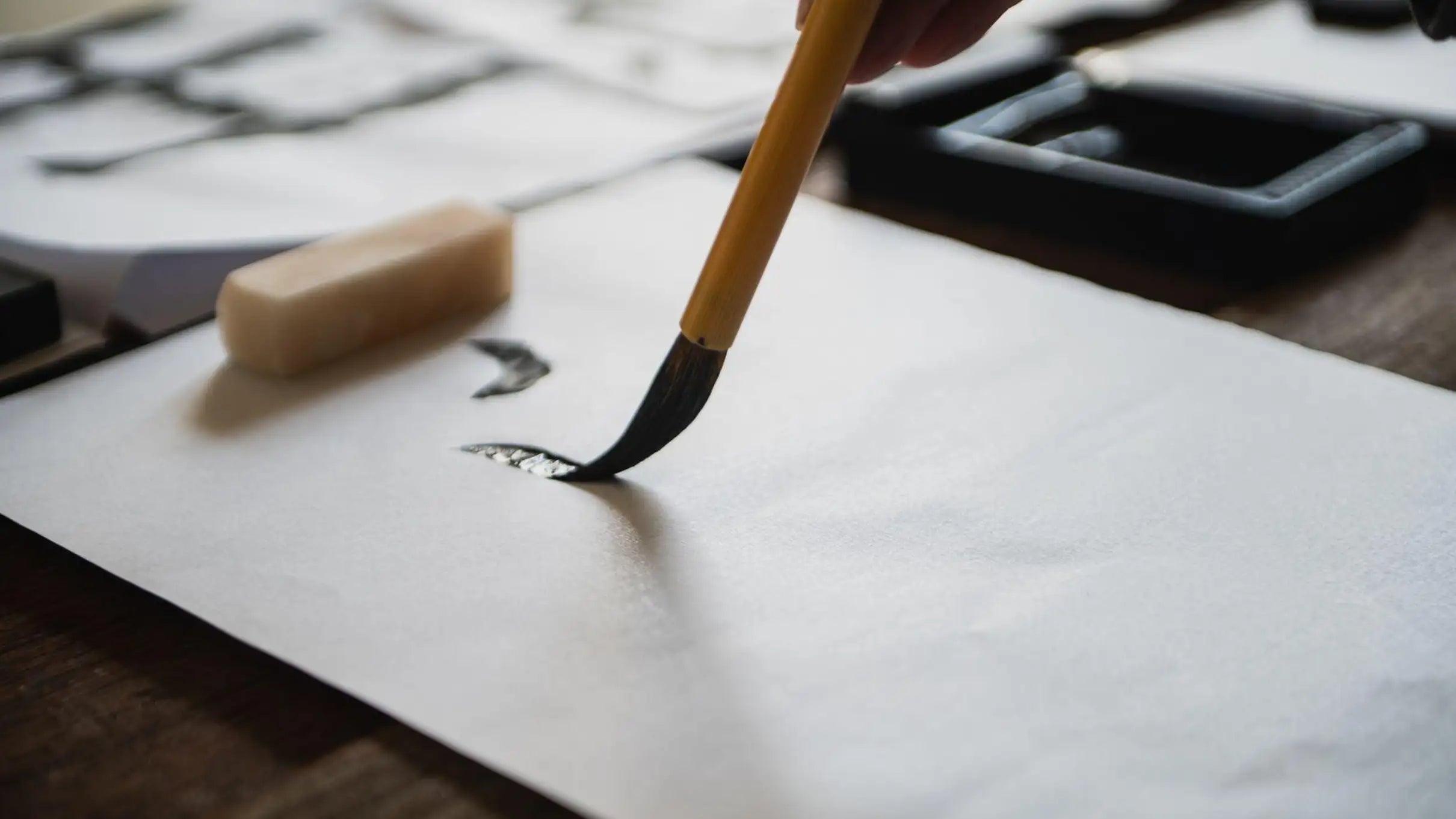
Learn the basics of traditional Japanese penmanship or shodo (書道), a skill essential for writing on the scrolls that adorn the tea room.
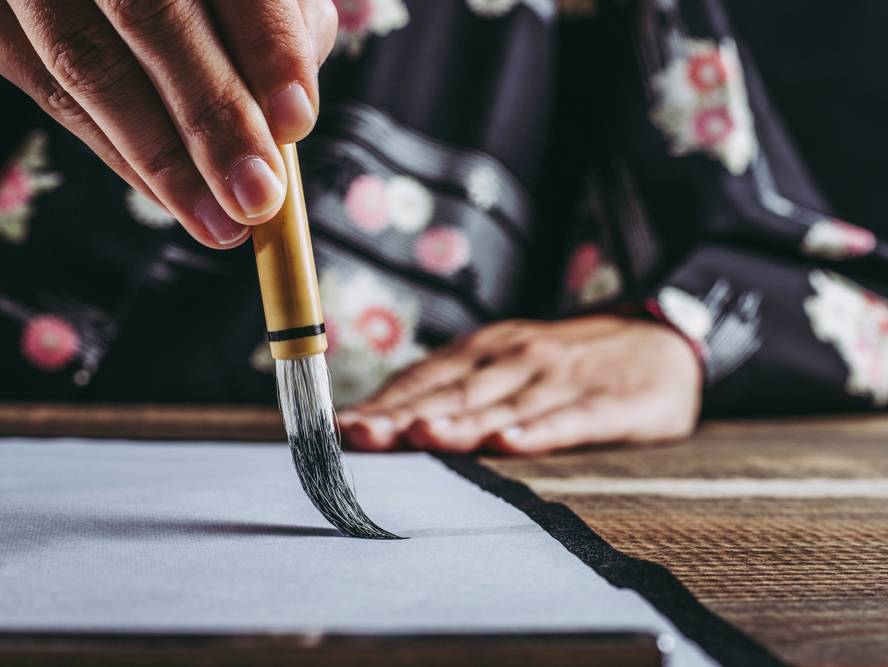
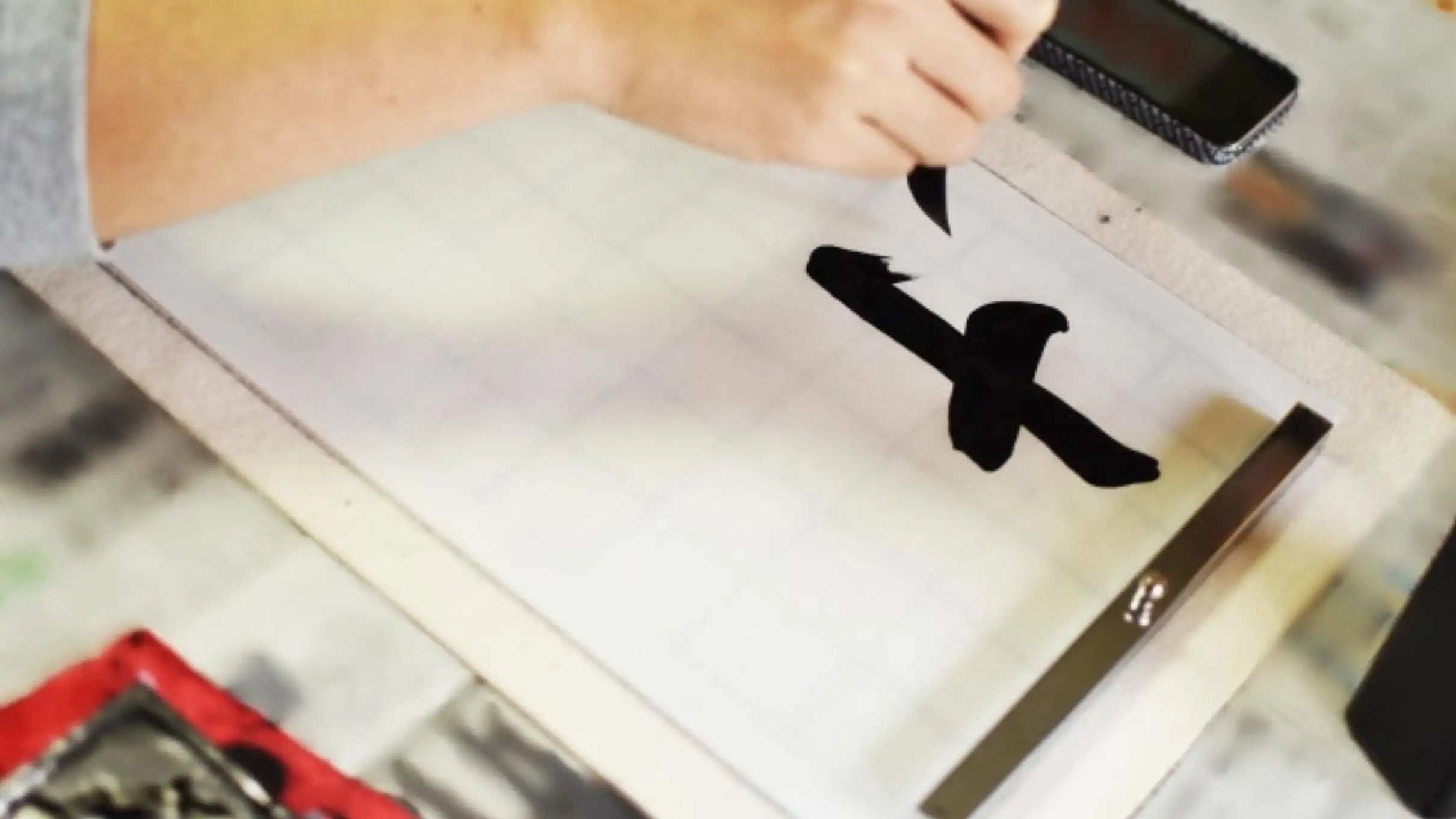
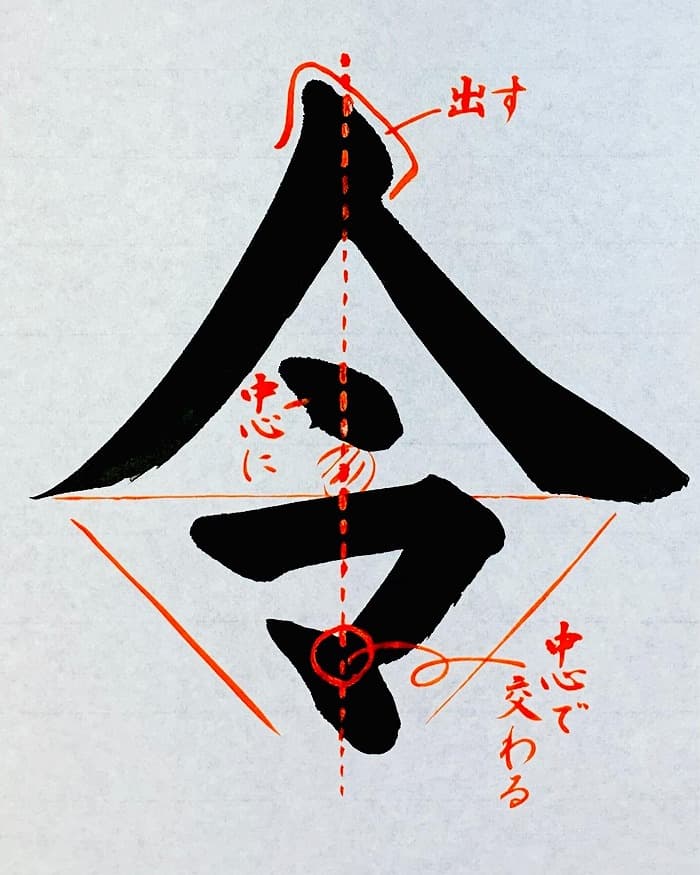
Set up your space and commence the meditative process of grinding the ink stick as you prepare for the lesson ahead. Receive instruction on fundamental brush strokes and spacing. Focus on posture and the proper way to hold the brush as you advance from kanji components to entire characters. After a few more repetitions, its now time!
Time to present the best version of the character that you have been practicing, or seisho (清書) and receive teacher feedback on your creation!
What You'll Do
Learn the basics of Japanese calligraphy while creating a character of choice.
What's Included
☆ Class participation fee
☆ Materials needed to practice
What's Not Included
☆ Any guest purchases
Guest Requirements
Guests are required to behave in a civil and respectable manner.
Activity Level
Low
Experience will be conducted in a room with tables and chairs.
Accessibility Level
Guests must be 10 years of age or older
How To Order
The Calligraphy experience can only be purchased in combination with a Tour and not as a standalone experience.
To Order:
1: Adjust the quantity to match the number of tour attendees. For example, if four people are attending, then the quantity should be set to 4.
2: Add experience to cart.
3: Add any additional Add-Ons to cart.
4: Prior to checkout, ensure there is one or more Tours added to your cart. The date of the experience will be the same date of the tour selected.
5: Check out to complete reservation. Our Concierge will contact you shortly thereafter to confirm logistics and answer any questions.
Once confirmed, you will be sent a payment link. Payment is due within 24 hours of the link being sent and payment constitutes a placed order.
Cancellation Policy
11 Days or More Prior To Tour or Experience Start Date: No Cancellation Fee Levied; 100% of Order Amount Returned
10 days to 6 days Prior To Tour or Experience Start Date: 50% of Order Amount Reserved As Cancellation Fee; 50% of Order Amount Returned
5 Days or Less Prior To Tour or Experience Start Date: 100% of Order Amount Reserved As Cancellation Fee; 0% of Order Amount Returned
For more details, reference our Cancellation & Refund Policy.
Pairs well with
This experience must be purchased in combination with a tour
Adjust the quantity to match the number of experience attendees.
All tour additions subject to experience availability checks
Calligraphy Lesson
If you have any questions, you are always welcome to contact us. We'll get back to you as soon as possible, within 24 hours on weekdays.
-
Customer Support
Use this text to answer questions in as much detail as possible for your customers.
-
FAQ’s
Use this text to answer questions in as much detail as possible for your customers.
書道 Shodo
Shodo: The Art of Writing Beautifully
Requiring patience, harmony, beauty, and balance charcoal ink and a paintbrush is used to write on paper. Learn the basics—from handling the brush to applying appropriate ink in this experience.
Did you Know?
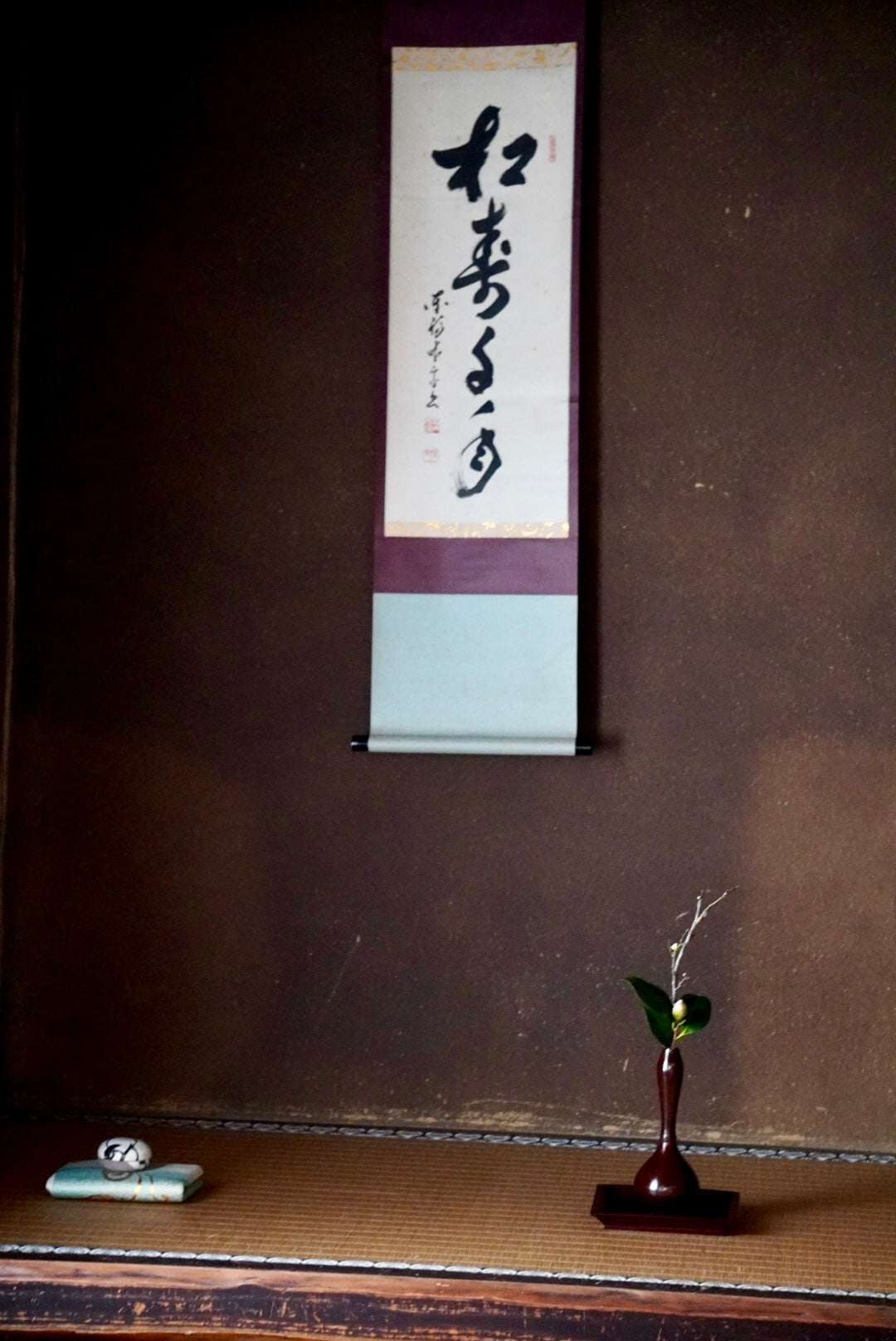
Did You Know?
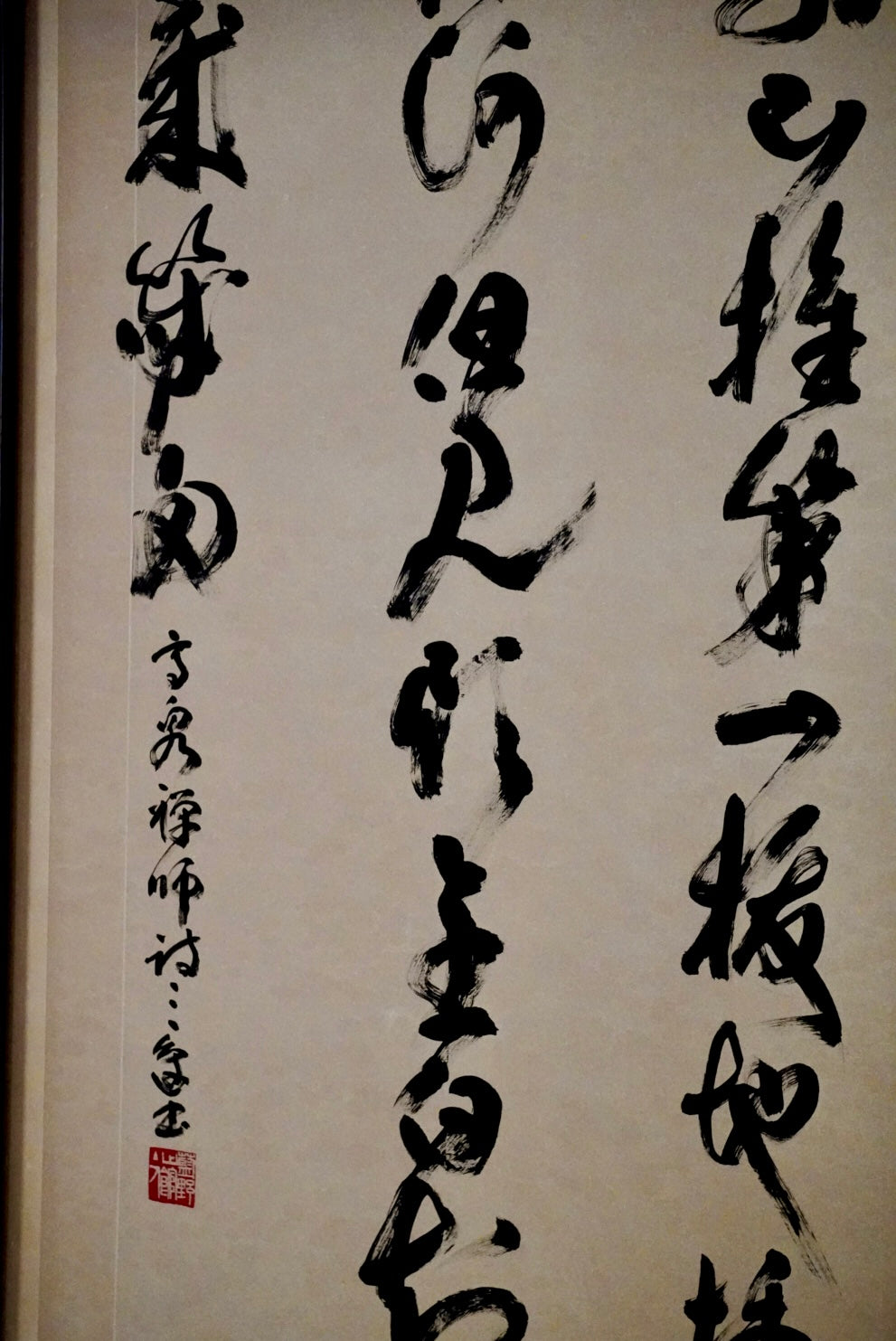
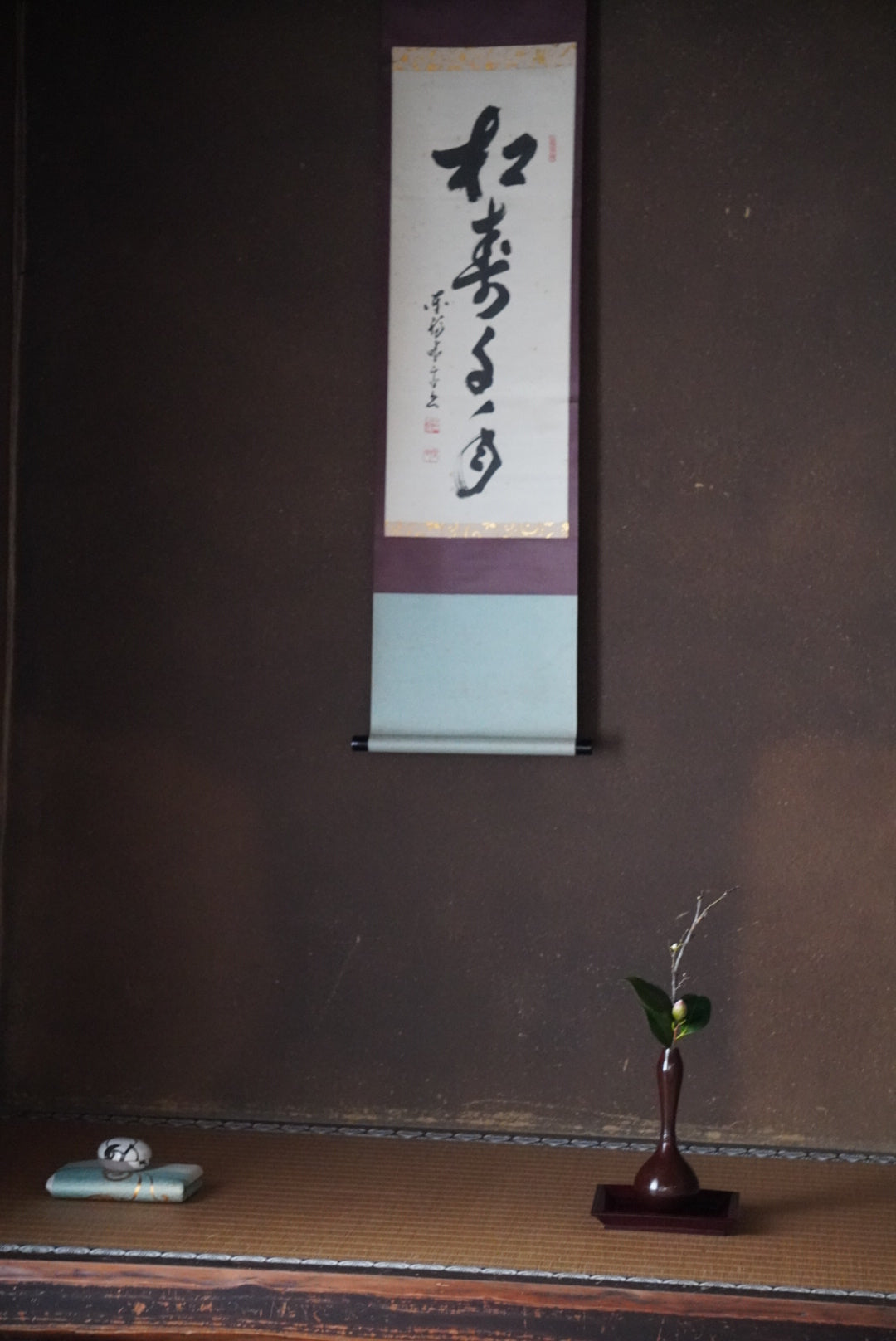
Kakejiku (掛軸) are hanging scrolls that play an internal role in the Japanese tea room.
In traditional tea ceremonies, each guest will take time to appreciate the kakejiku—which often hints at the theme of each ceremony or is selected to honor a particular guest—prior to taking a seat.
Originating in China, the Japanese version has evolved into an art form drawing light not only to beautiful calligraphy and paintings but to the materials used to make the kakejiku.
Ink drawings—termed sumi-e in Japanese or paintings, called nihonga are usually hand painted on the surface. Unlike framed artwork, kakejiku are not displayed permanently, but are changed according the season. When not in use, they are rolled up and stored in a wooden box—usually with the artist’s name pained on it.
The restrictions in use associated with kakejiku embody mono no aware (物の哀れ) or the aesthetic appreciation of impermanence through observation of nature.
Sample Itinerary

3:15 PM
Basics
Learn how to handle the brush, ink and paper.

3:30 PM - 4:30 PM
Practice, Practice, Practice
Apply what you have learned to better understand the nuances of each stroke.

4:30 PM - 5PM
Artwork
Begin painting the final artwork.
Pairs Well With
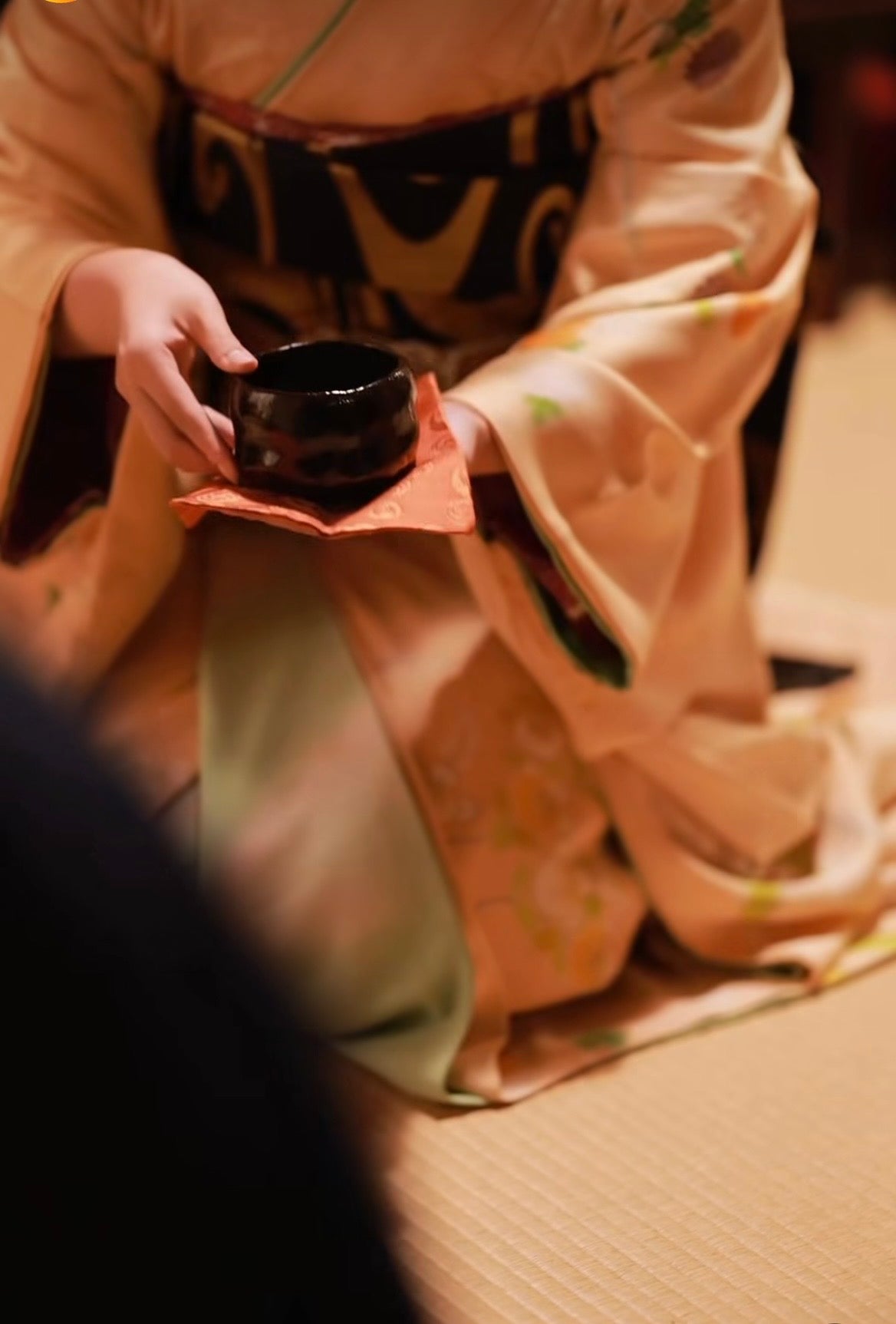
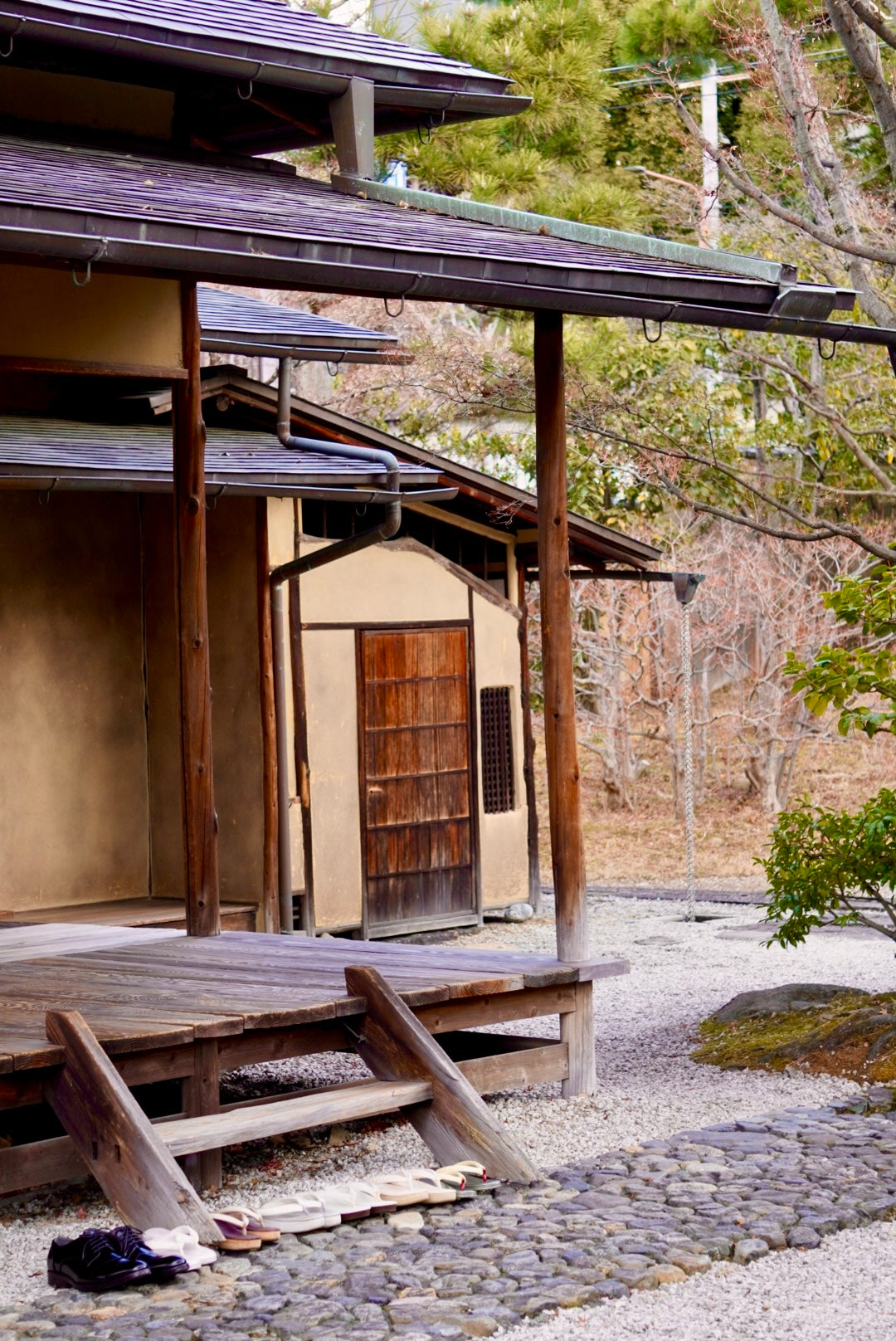
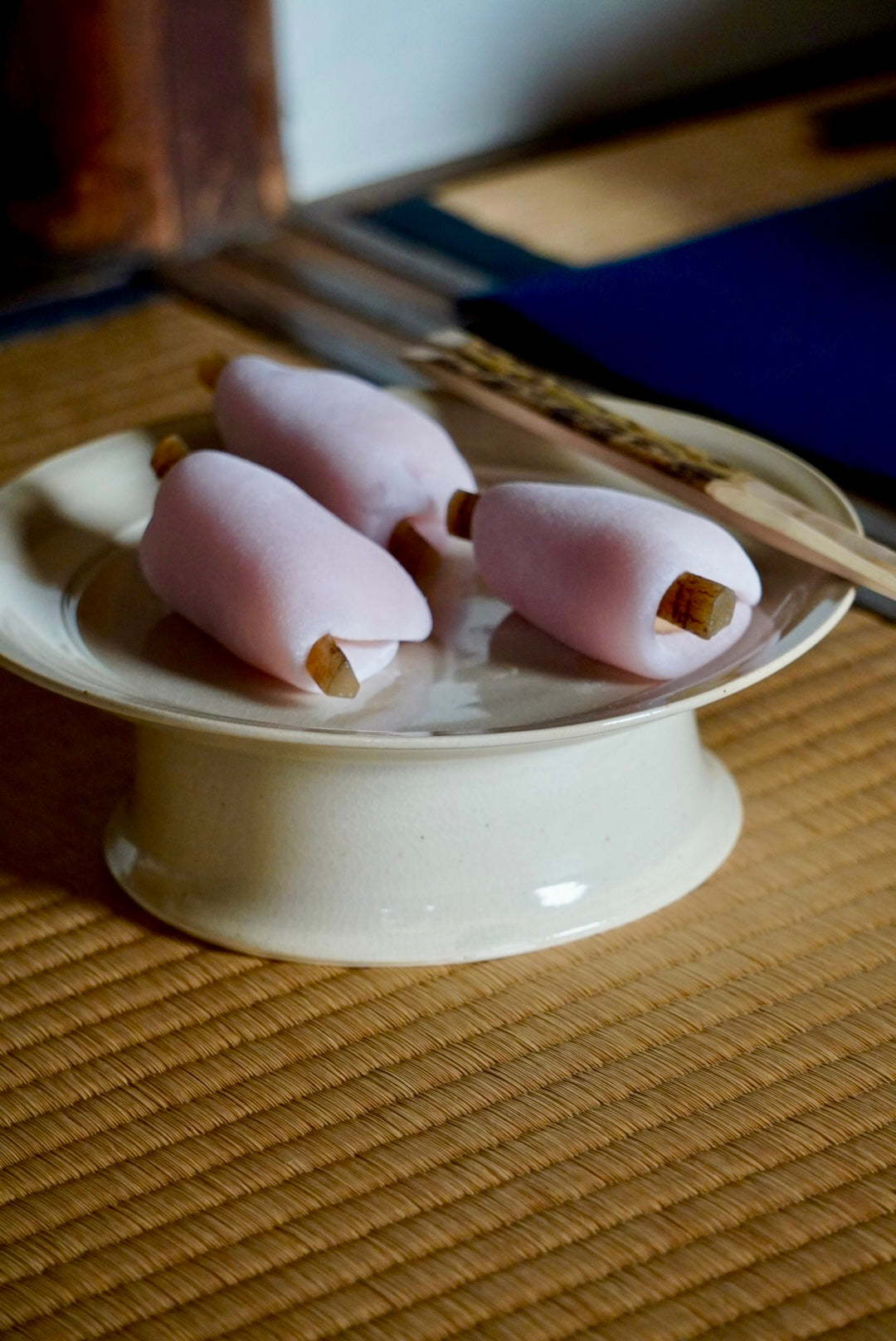
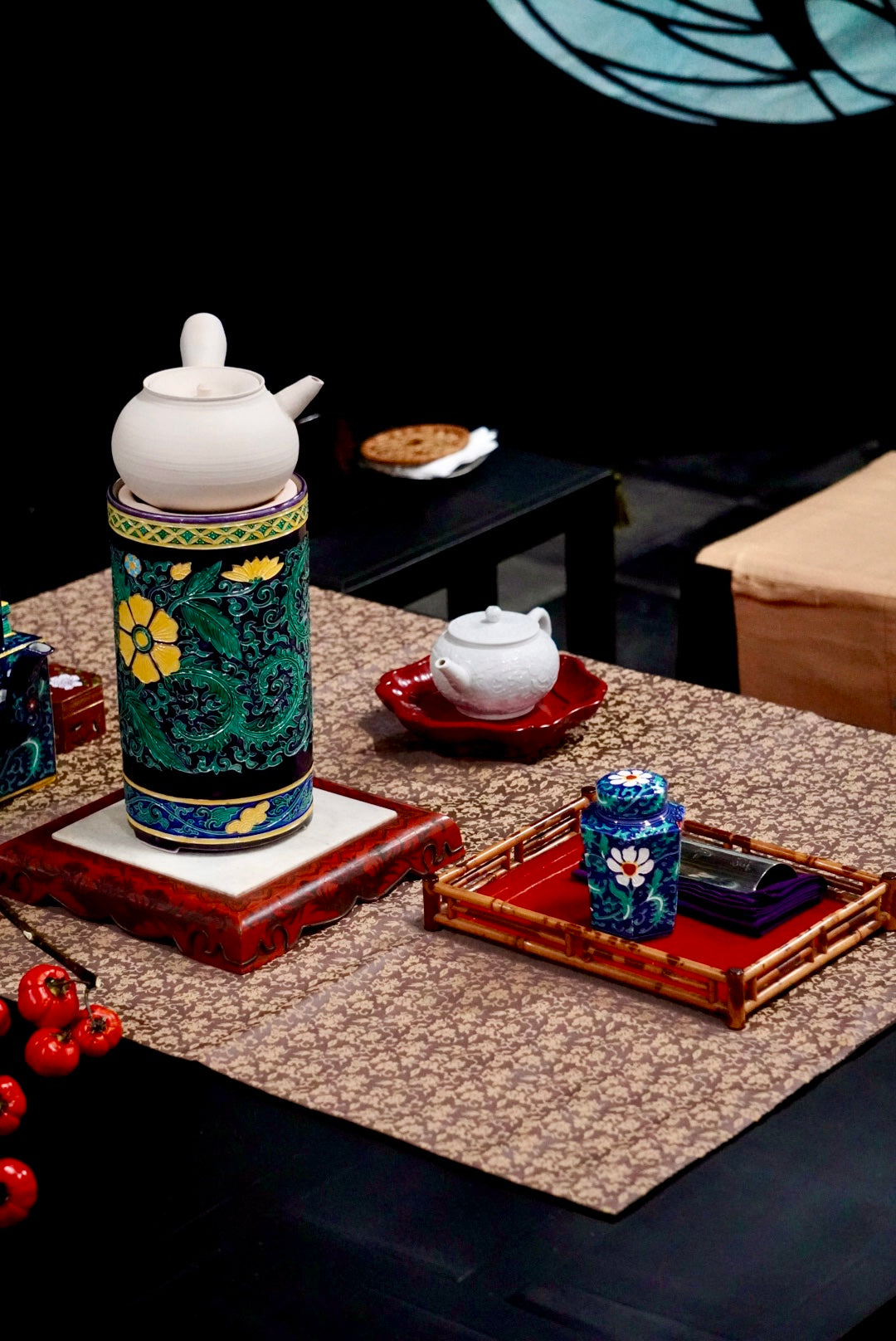
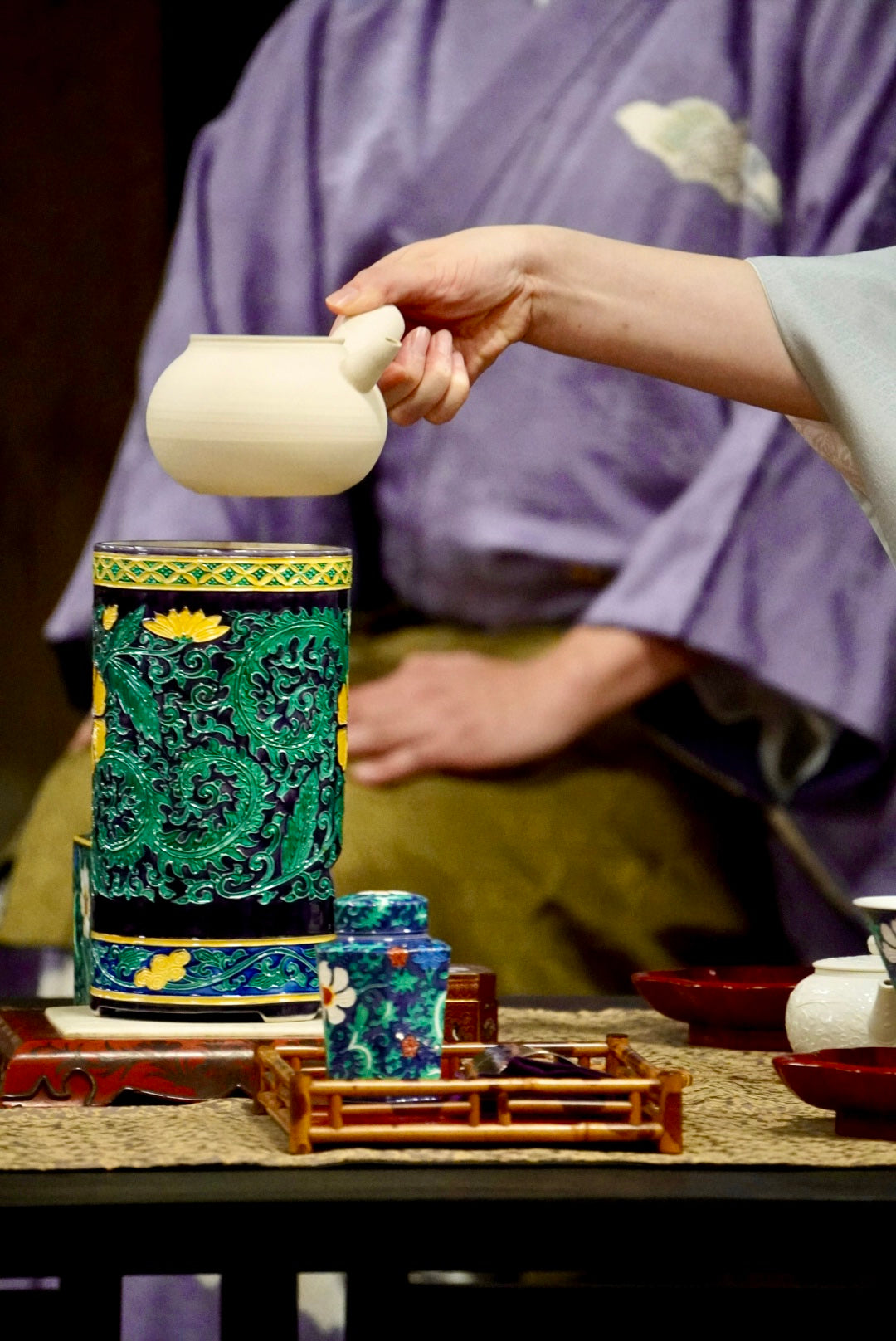
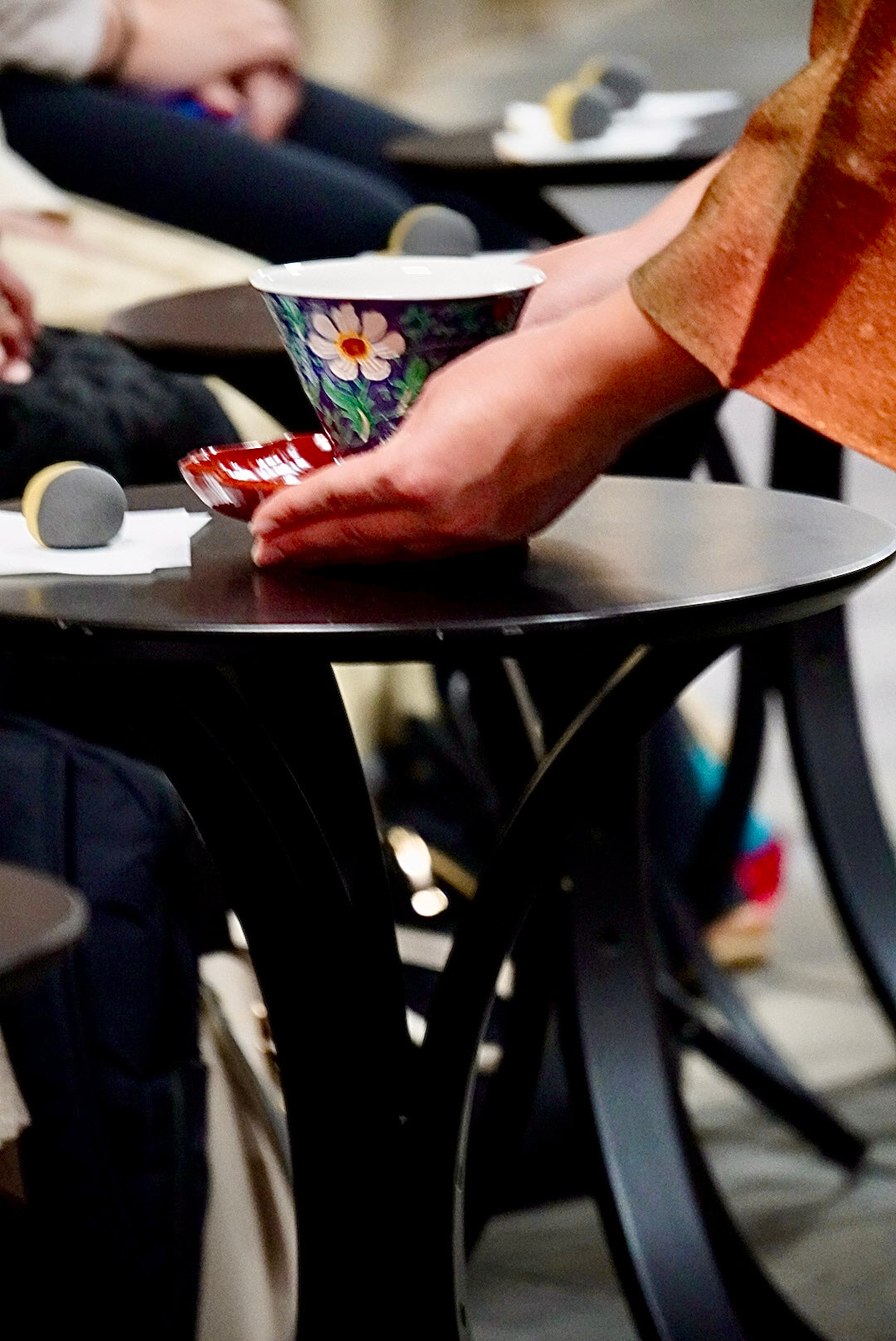
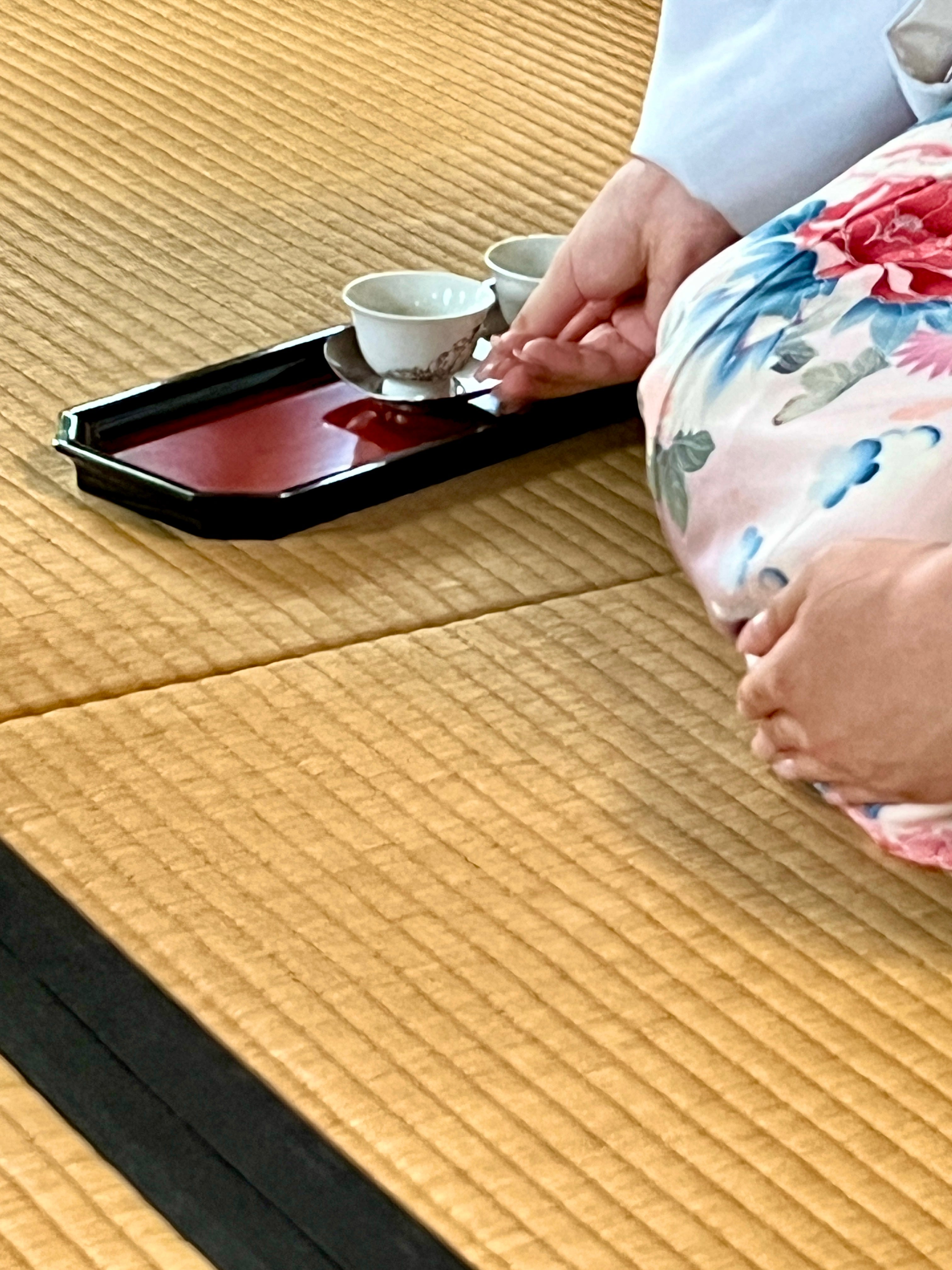
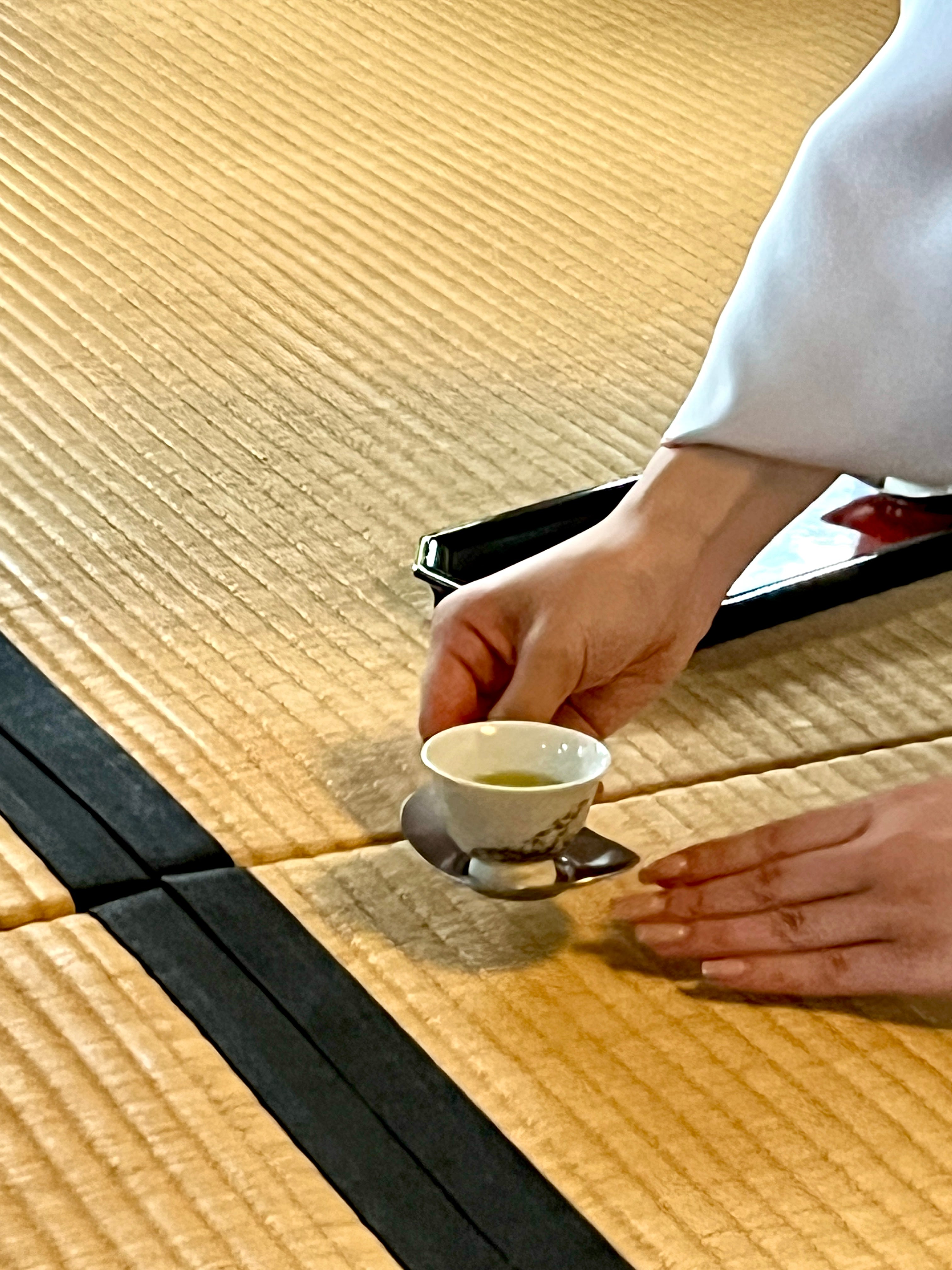
Tea Gathering Tour
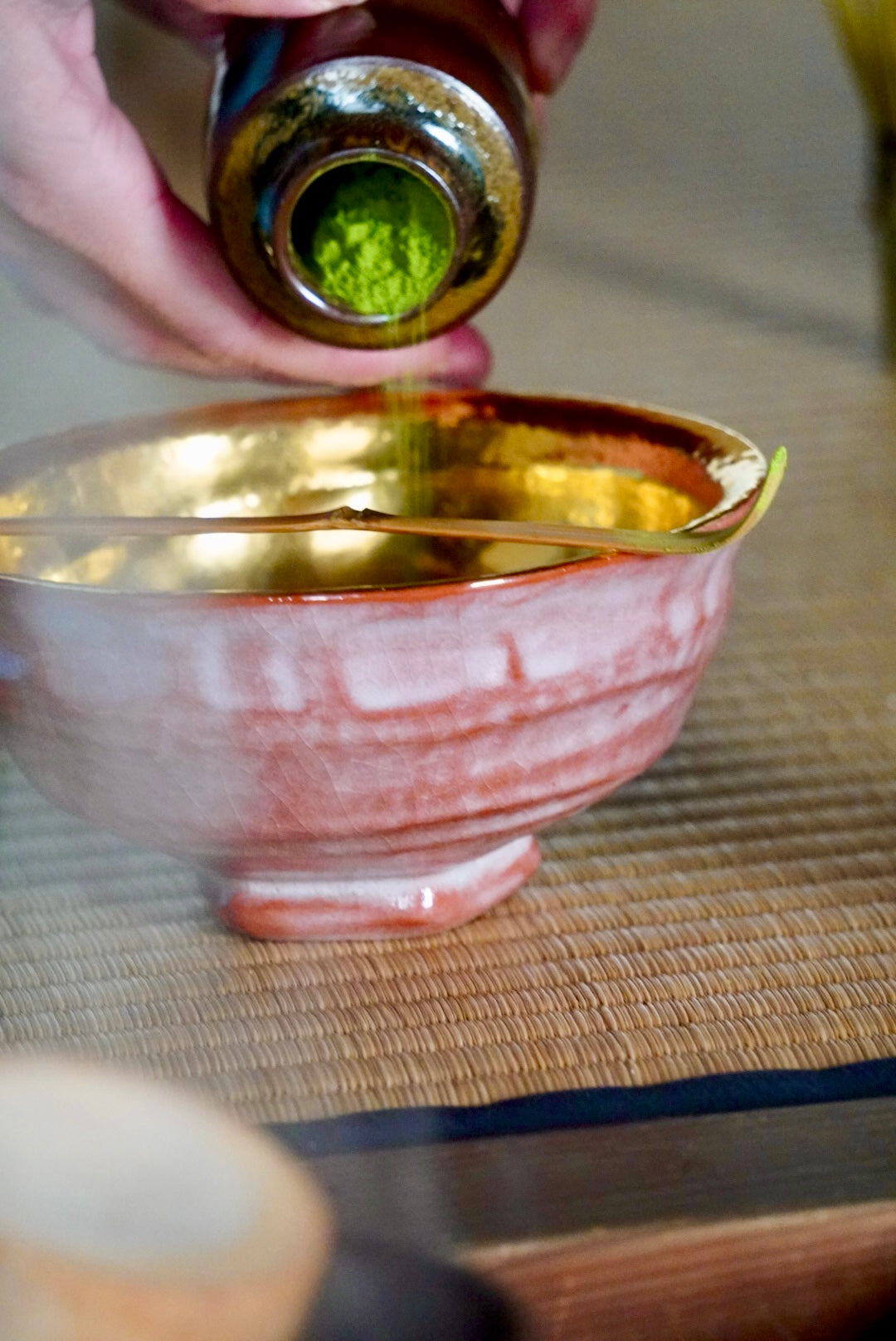
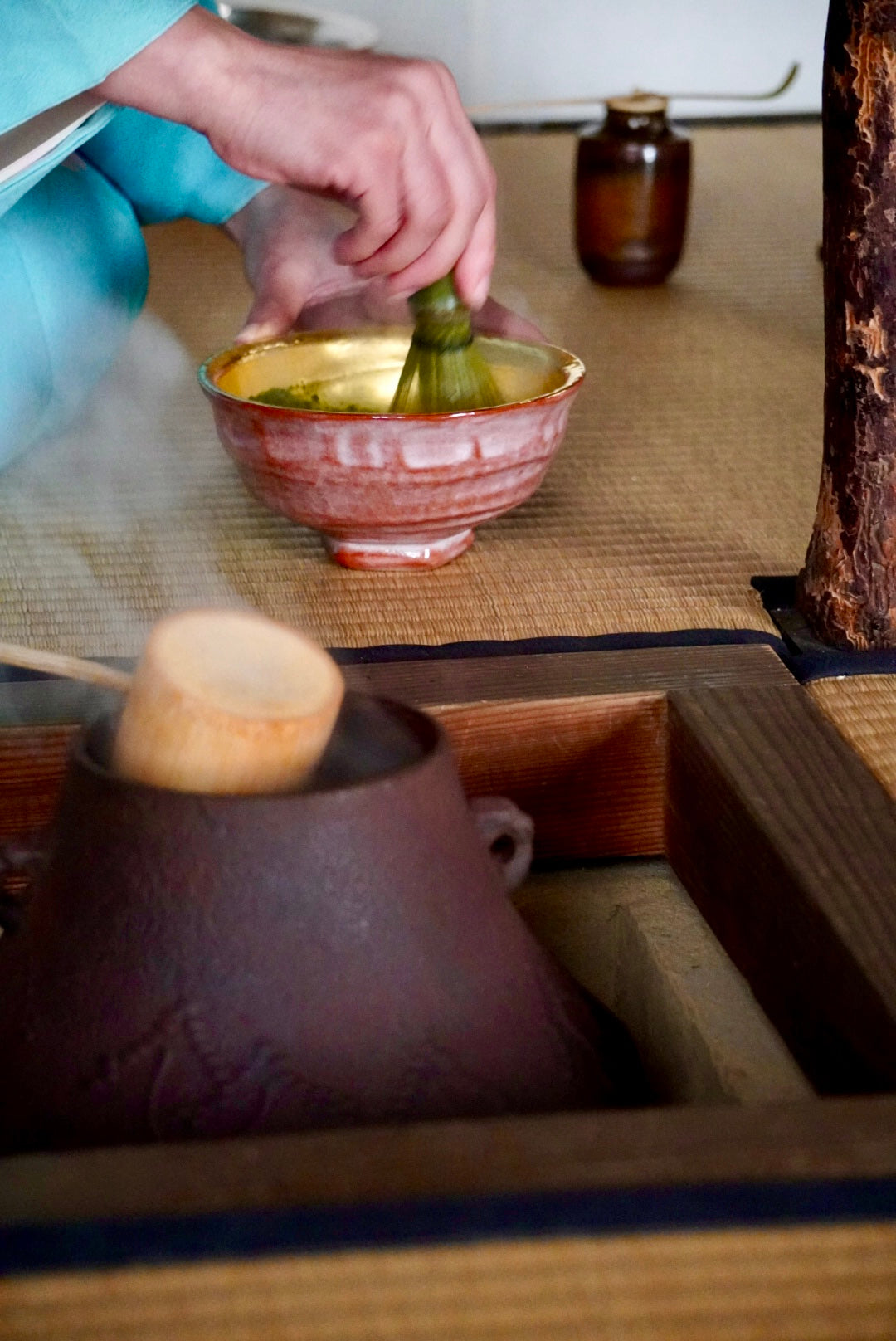
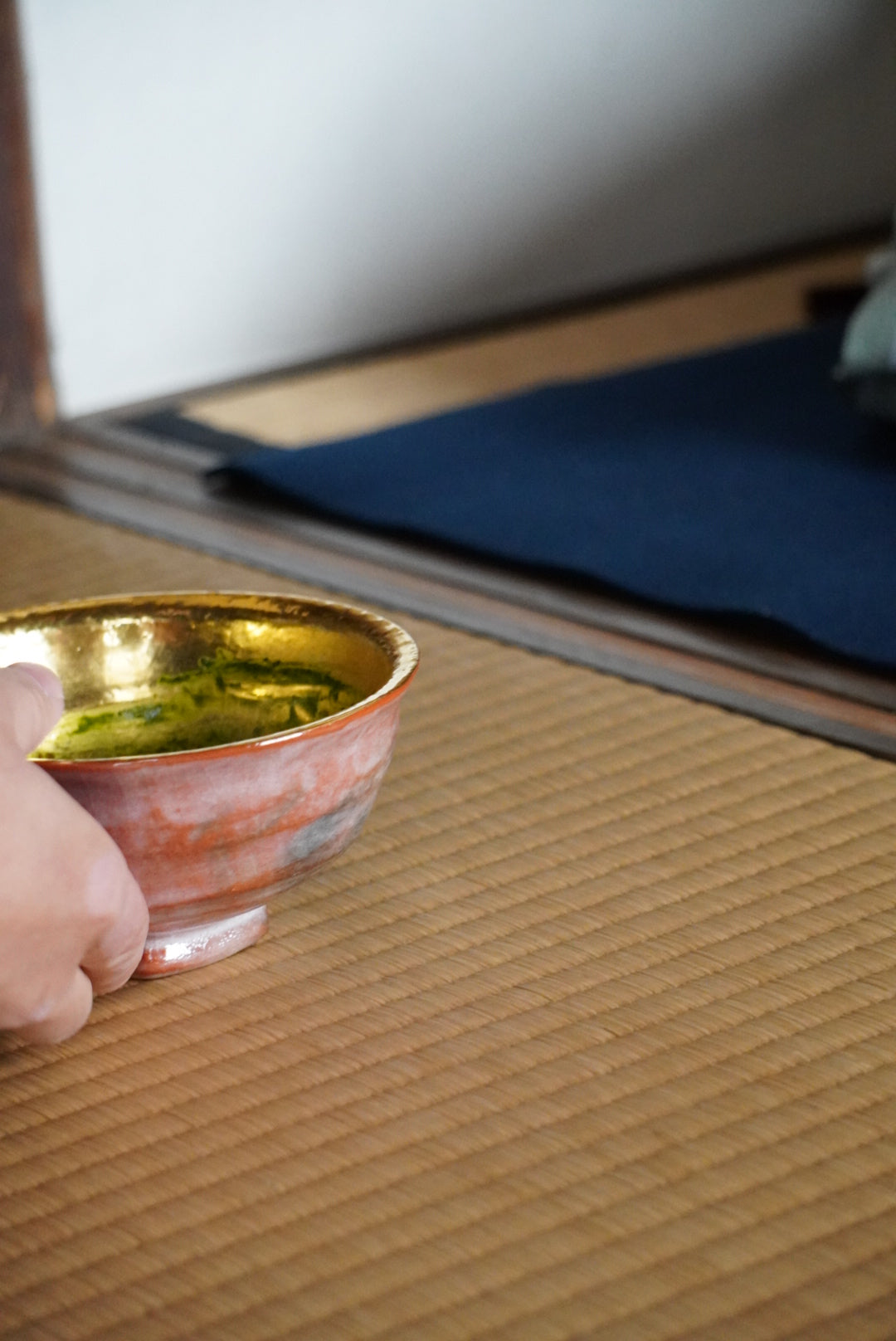
Gain a deeper appreciation for the depth within Japanese tea culture via a quintessential cultural experience: the tea ceremony, or sado as it is referred to in Kyoto. Within Japanese tea ceremony, there are two paths: powdered and leaf, or machado (抹茶道) and senchado (煎茶道), respectively.
In this unique tour, you will experience both: one route focusing on the rituals and the other path focusing on the tea. While both avenues involve serving guests, the presentation, philosophy and atmosphere differ, therefore offering deeper progression into understanding Japanese traditions.
In the Tea Gathering Tour by Nichome Connect, tea ceremony knowledge and practices are neither distilled nor watered down, yet shared with depth and passion for the art. Insight into the performances are now at your fingertips.
Raise your cup in gratitude and take a sip.