
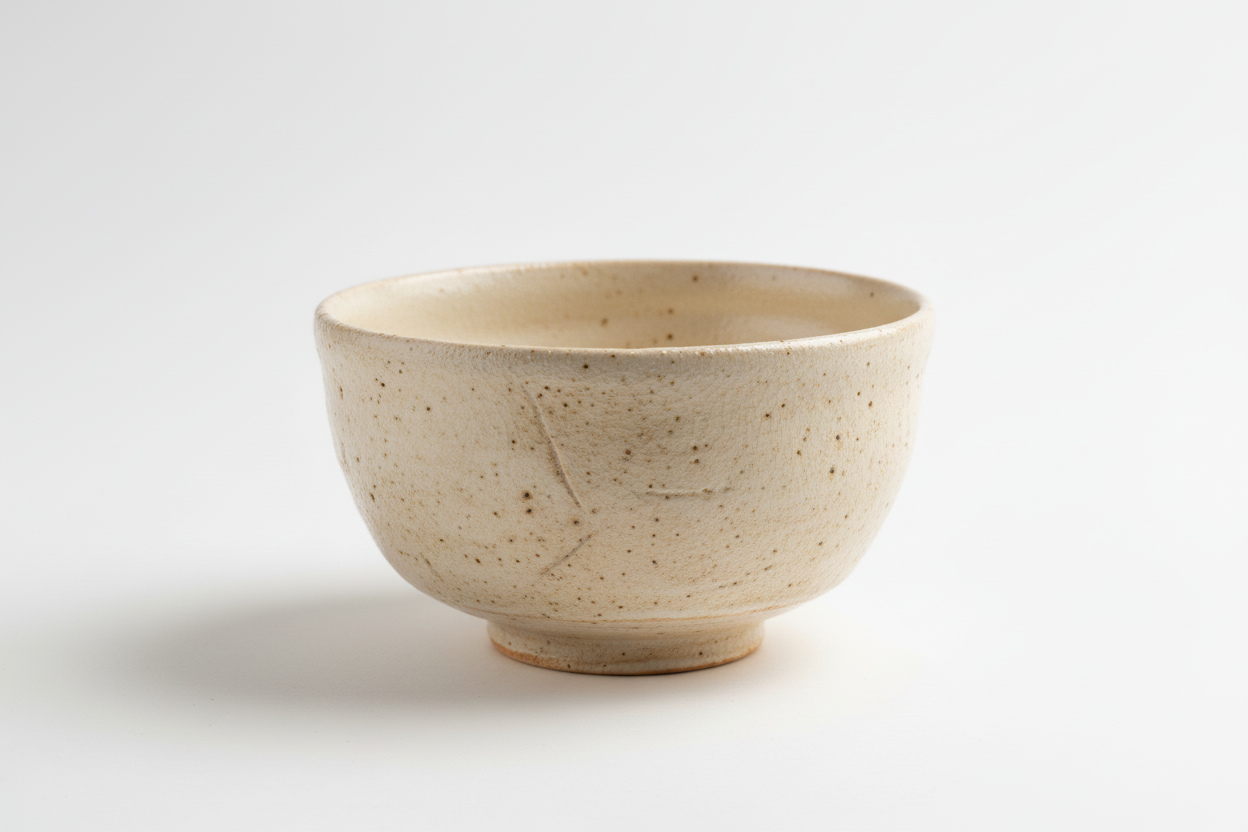
Hand Craft A Matcha Bowl
Deliberate distortions, uneven glazes and textured clay are prized aesthetics that mimic the transience of nature and allows each piece to have character and its own story. Craft your own in this matcha bowl pottery experience.
We will start with an introduction to matcha bowls, or chawan (茶碗), as they are called in Japanese, you will learn the different styles, the prominent regions of production and the characteristics that make for an exceptional chawan. You will see various kinds of chawan: different shapes, glazes, and textures, allowing thought about the weight of the chawan, its shape, and how the tea fills the bowl in order to spark your imagination on ideas for your own creation. You will be introduced to the specific type of clay you’ll be using: its properties, how it fires, and what kind of glazes work best with it before seeing a demonstration on the fundamental techniques for shaping a chawan.
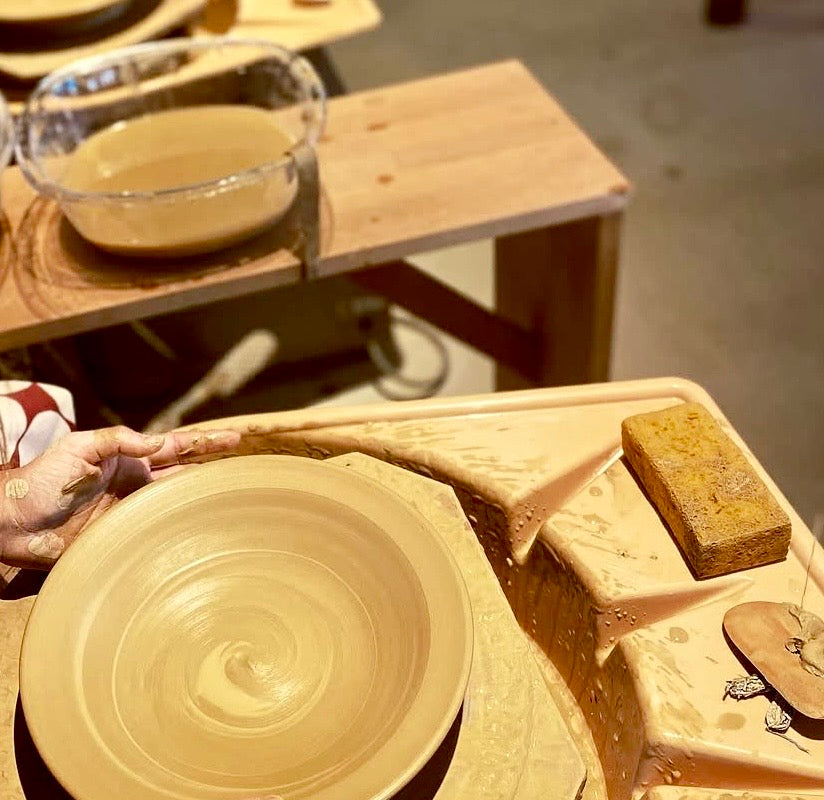
We will then move to actual practice. During the nerikomi (練り込み) stage, you will learn how to properly knead the clay to remove air bubbles and achieve and even consistency—a crucial step to prevent cracking in later firings. Next is exploring the two techniques to create the shape: tebineri (手びねり), or building by hand and dendou rokuro (電動ろくろ), which is using the electric potter’s wheel. Finally, you will learn how to form the kuchiberi (口辺) or rim of the chawan, as well as the kodai (高台), or base.
Once you've finished shaping your chawan, it needs time to dry. You’ll leave your unfinished piece at the studio to be glazed and fired. It will then be wrapped and shipped to the stipulated address for you to enjoy in your own home.
Join us in creating a beautiful and functional vessel whilst connecting with the heart of the Japanese tea ceremony: the chawan.
What You'll Do
Learn about the history of chawan while receiving instruction on its characteristics, what makes it valuable and how to shape one in this hand’s on interactive experience.
What's Included
The cost of the workshop, clay, tools and finishing of the chawan.
What's Not Included
☆ Chawan shipment to guest’s home. Shipping costs will be calculated based on delivery country.
☆ Any purchases made by the guest.
Guest Requirements
Guests are required to behave in a civil and respectable manner.
As the places we visit are typically unknown to foreign tourists, you will be expected to absorb the local customs.
If you are unsure, please ask your concierge prior to arrival and we can send you our etiquette guide.
Activity Level
Low
Experience will be conducted in a room with tables and chairs.
Accessibility Level
Guests must be 10 years of age or older.
How To Order
The Hand Craft A Matcha Bowl experience can only be purchased in combination with a Tour and not as a standalone experience.
To Order:
1: Adjust the quantity to match the number of experience attendees. For example, if four people are attending, then the quantity should be set to 4.
2: Add experience to cart.
3: Add any additional Add-Ons to cart.
4: Prior to checkout, ensure there is one or more Tours added to your cart. The date of the experience will be the same date of the tour selected.
5: Check out to complete reservation. Our Concierge will contact you shortly thereafter to confirm logistics and answer any questions.
Once confirmed, you will be sent a payment link. Payment is due within 24 hours of the link being sent and payment constitutes a placed order.
Cancellation Policy
11 Days or More Prior To Tour or Experience Start Date: No Cancellation Fee Levied; 100% of Order Amount Returned
10 days to 6 days Prior To Tour or Experience Start Date: 50% of Order Amount Reserved As Cancellation Fee; 50% of Order Amount Returned
5 Days or Less Prior To Tour or Experience Start Date: 100% of Order Amount Reserved As Cancellation Fee; 0% of Order Amount Returned
For more details, reference our Cancellation & Refund Policy.
Pairs well with
This experience must be purchased in combination with a tour.
Adjust the quantity to match the number of experience attendees
All tour add-ons subject to availability checks
Hand Craft A Matcha Bowl
If you have any questions, you are always welcome to contact us. We'll get back to you as soon as possible, within 24 hours on weekdays.
-
Customer Support
Use this text to answer questions in as much detail as possible for your customers.
-
FAQ’s
Use this text to answer questions in as much detail as possible for your customers.
京焼・清水焼
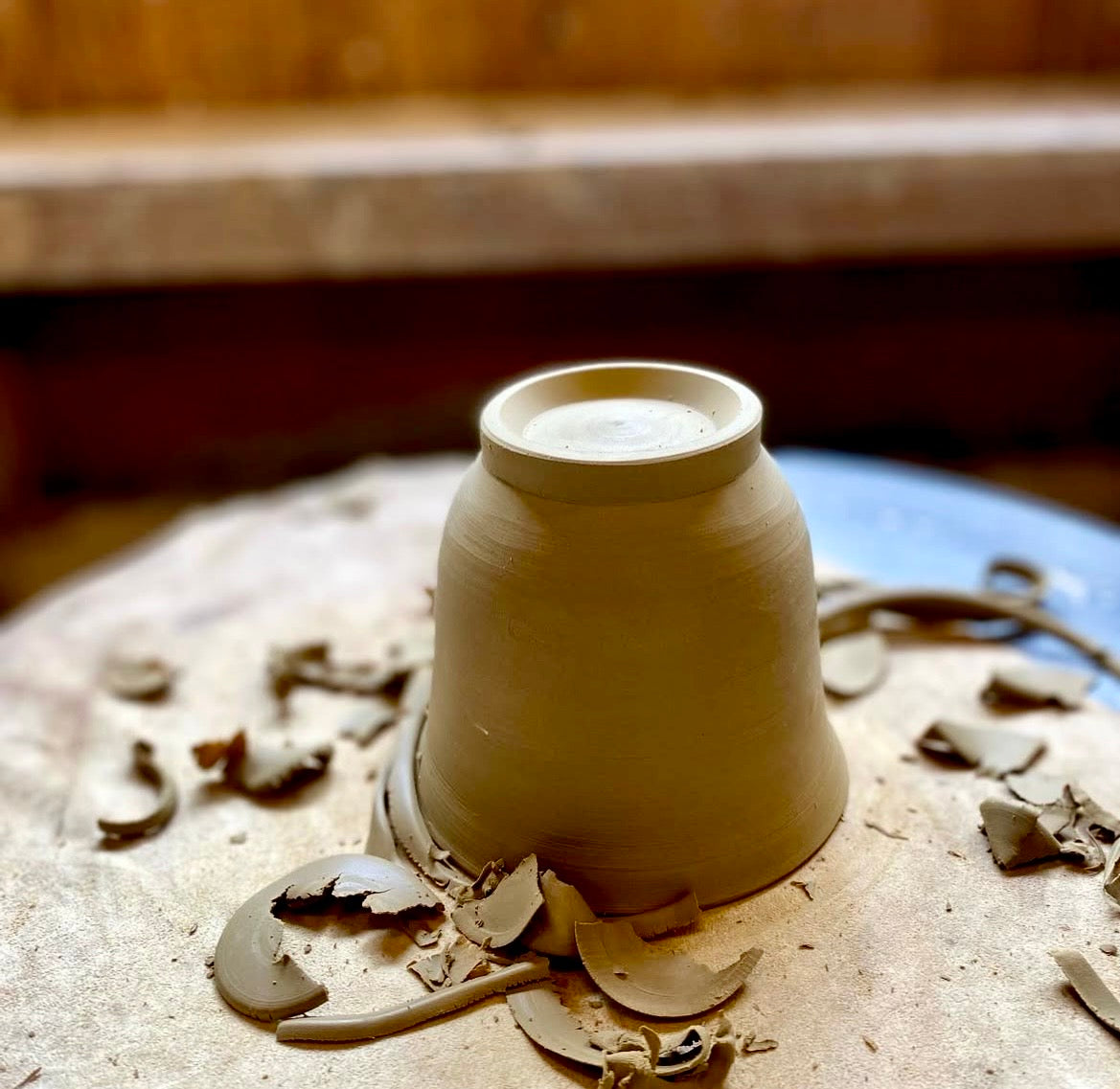
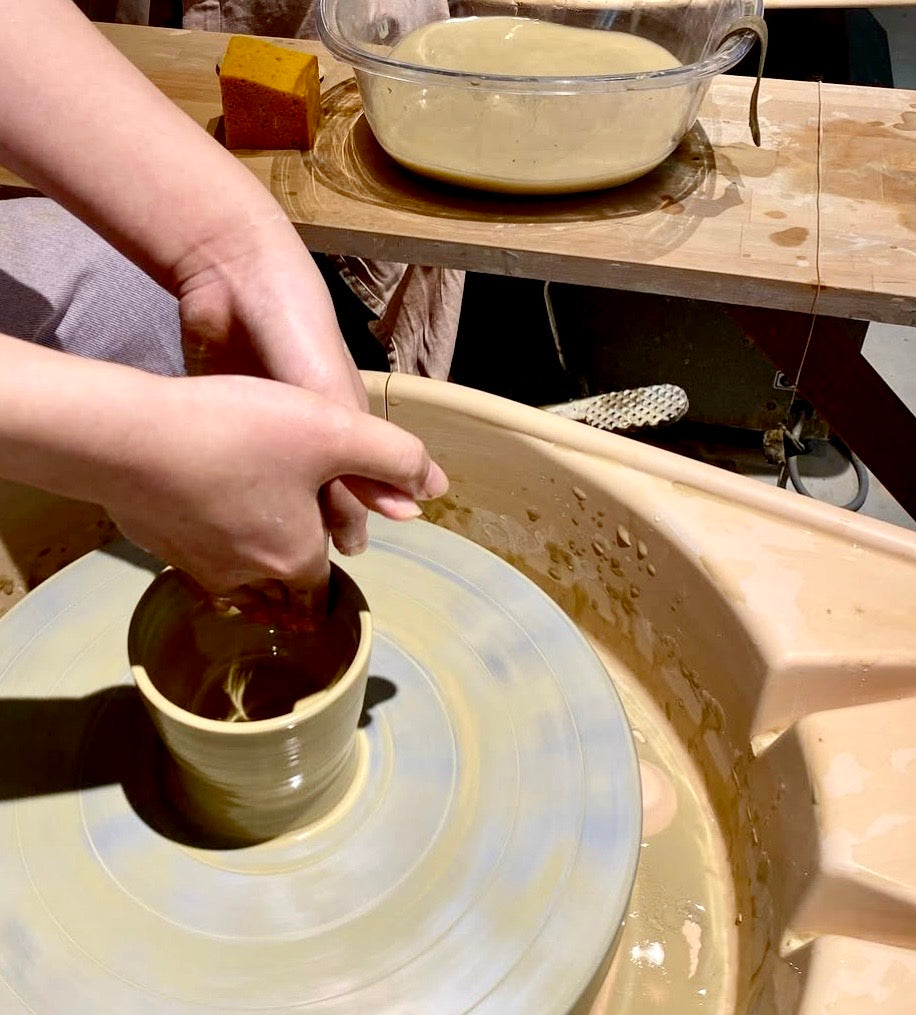
Create The Scenery
The texture of the clay, the way the glaze is applied, the subtle changes in color caused by the heat of the flame vary amongst each piece and are collectively known as keshiki (景色), or scenery in Japanese. A chawan humbly embodies this spirit—its appearance subtly changing with the light, shadow and color of tea it holds.
Admiring these nuances makes time with the bowl a sensory experience, elevating the chawan from a functional utensil to an artistic and philosophical being capable of inviting contemplation.
Kyoto Traditions
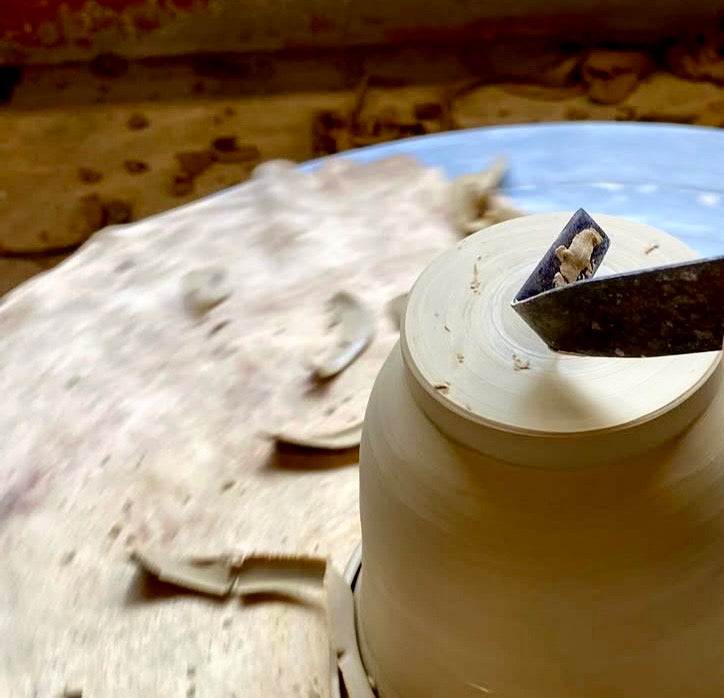
Meet your Teacher: Make your own chawan under the guidance of a family with generations of pottery knowledge.
Did you Know?
Did You Know?
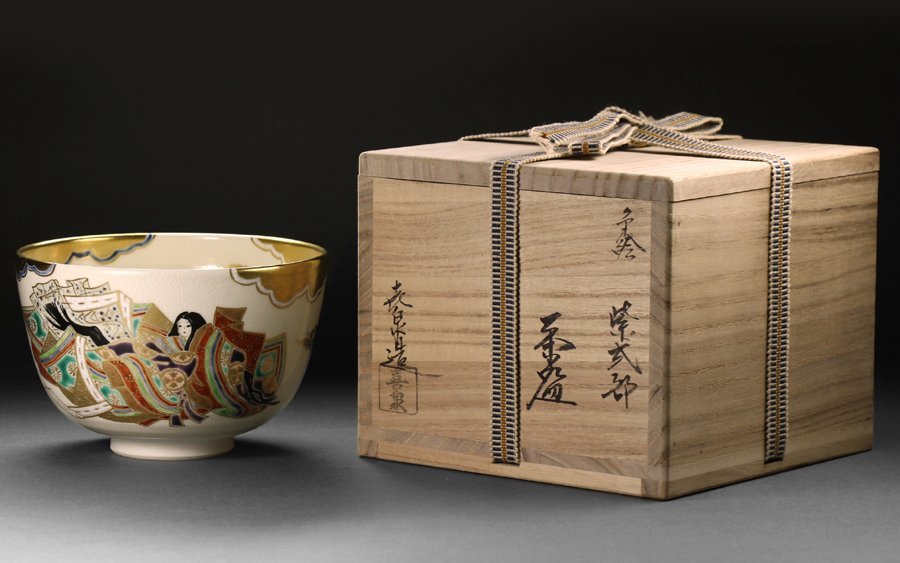
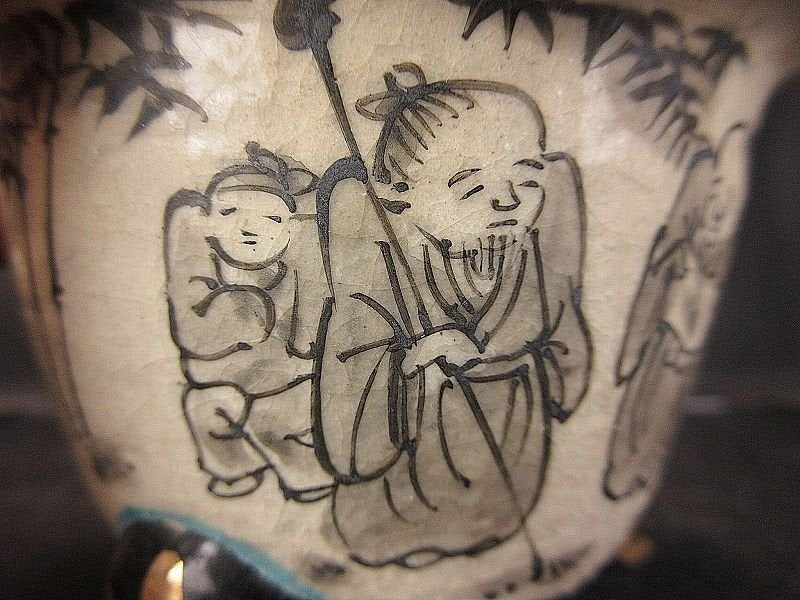
Pottery production in Kyoto dates back to the Nara period (710 to 794) and flourished with the popularity of tea ceremonies during the Azuchi-Momoyama period (1568 to 1600).
Pottery produced in the city of Kyoto is called Kyoyaki (京焼) or Kiyomizuyaki (清水焼). Traditionally, Kyoyaki was a general term used for pottery made in Kyoto, while Kiyomizuyaki was the name given to pottery produced in the area leading up to Kiyomizu-dera Temple. In ancient times, the now iconic temple was traditionally a wooded area with many shared kilns.
Itinerary

10 AM
Arrive At Studio
Arrive at the pottery studio and consult with teacher about what you would like to make.

10:15 AM - 11:15 AM
Learn & Mold
Work with the teacher to form the desired shape of your tea bowl while learning the different parts of the chawan and what give it value.

11:15 AM - Noon
Finishing Touches
Put the finishing touches on your matcha bowl. The pottery house will finish, glaze, fire and send it to your home.
Pairs Well With
Stone Grind Matcha
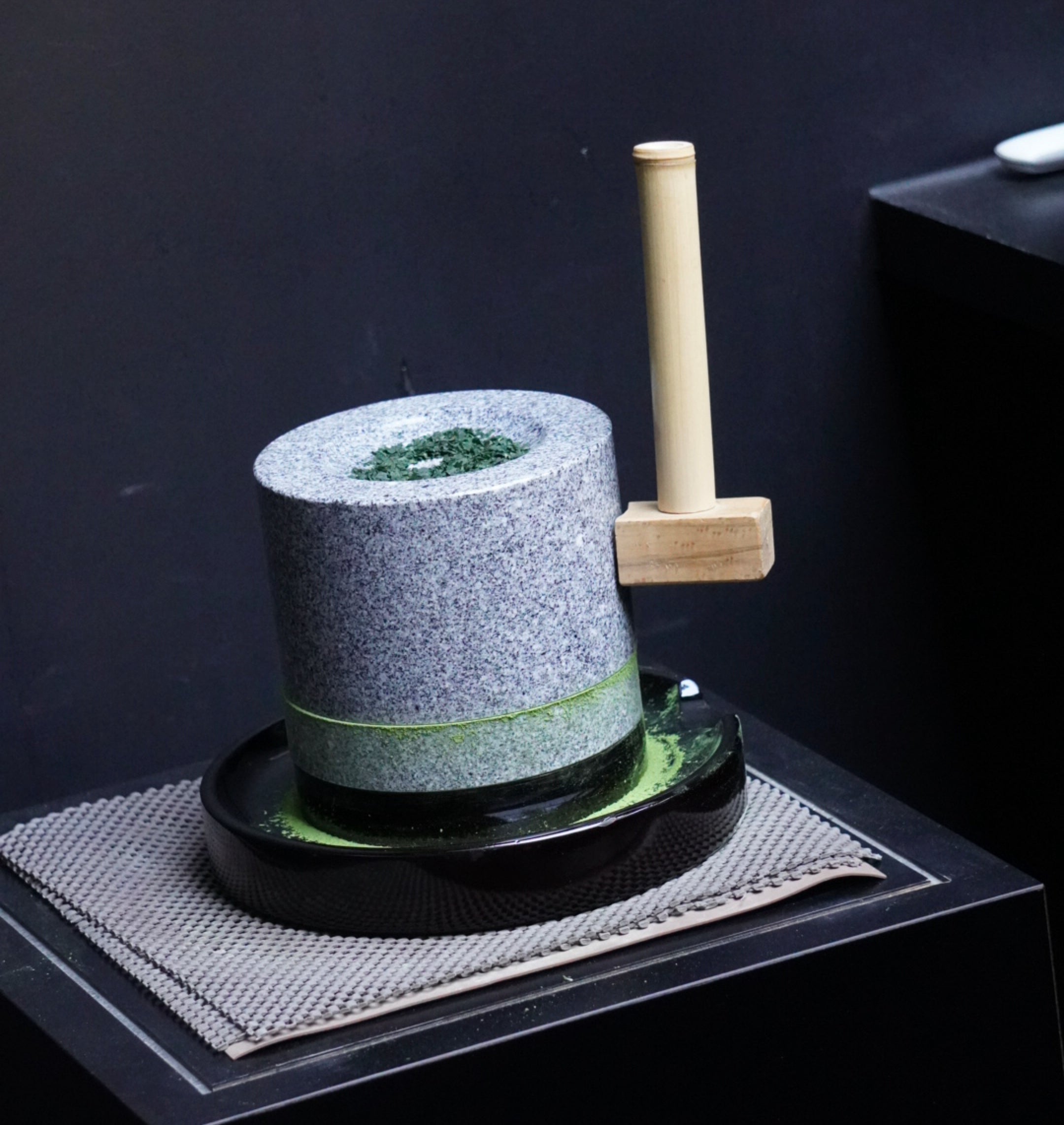
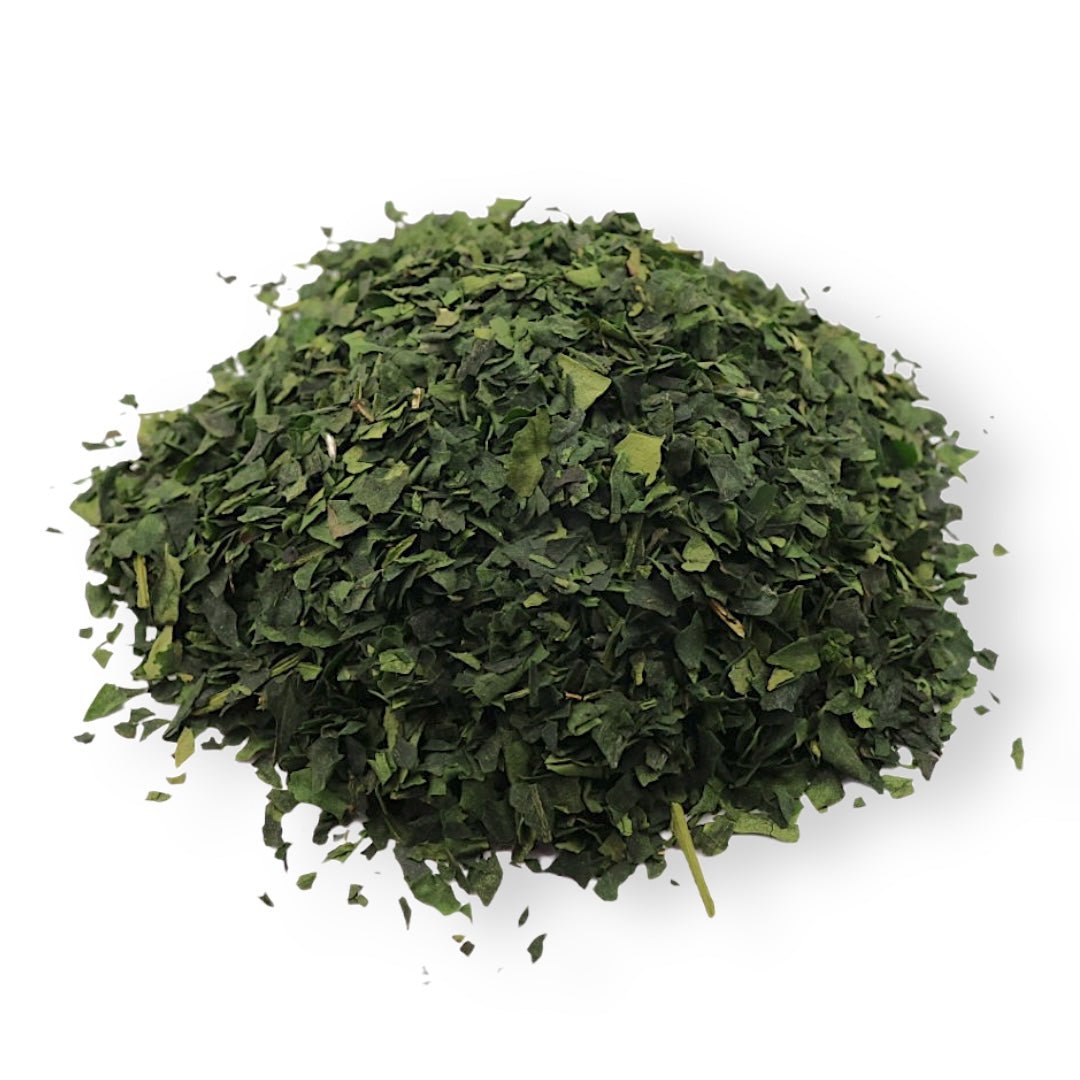
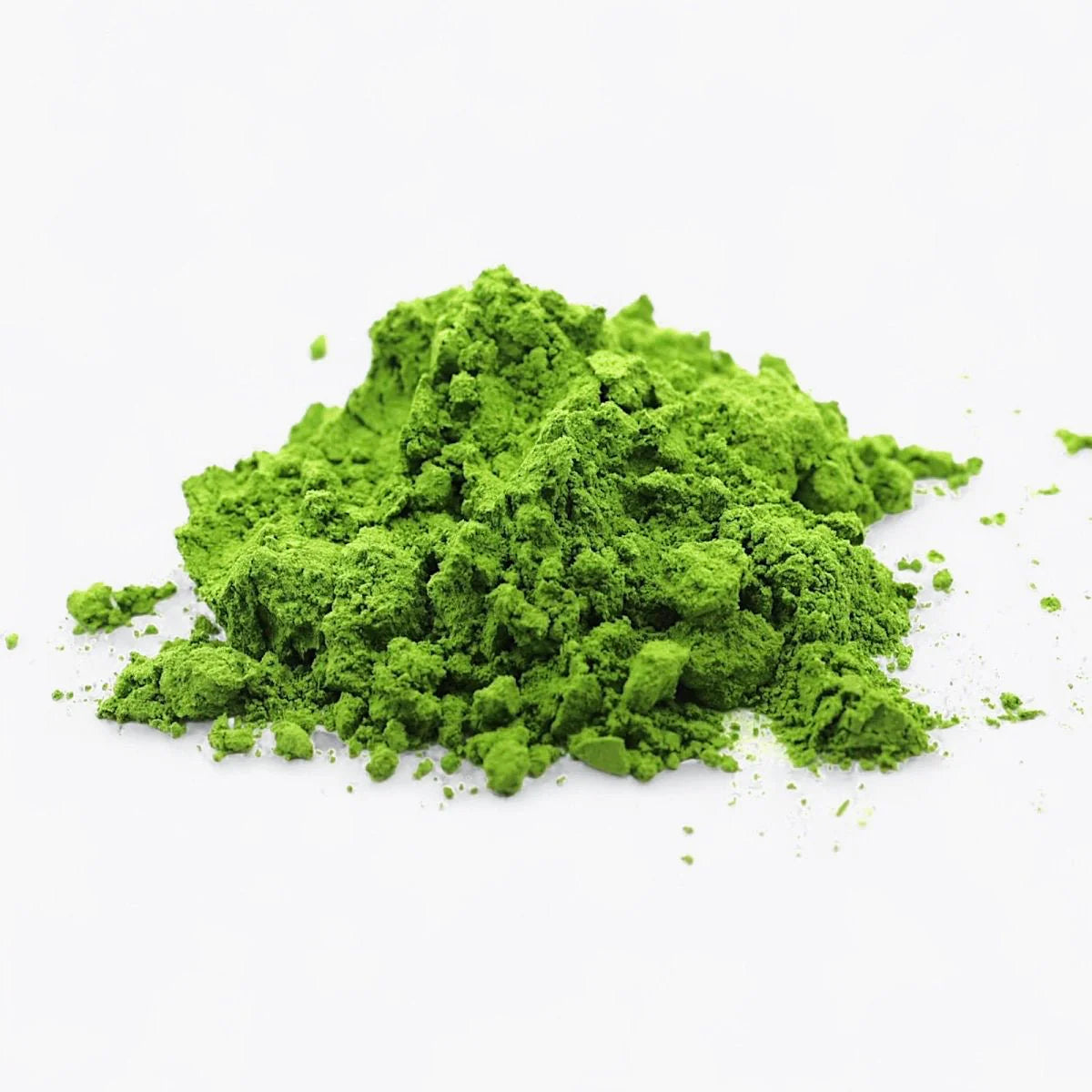
Matcha is produced by grinding tencha tea leaves into powder, traditionally using a stone mill specifically made for matcha production, termed chausu in Japanese.
Chausu are made of granite and are suitable for producing small quantities of matcha. Often hand-etched by skilled artisans, chausu slowly and meticulously grind tencha into a powder by using consistent force. As the mill spins, tencha leaves are pushed from the center to the outer mill, where the grooves become considerably finer. This slow and meticulous method ensures the tea leaves aren’t damaged by excessive heat or friction.
The result is the gentle aroma known as hika (fire fragrance) and an exceptionally delicate, light and fluffy powder—now termed matcha. Labor intensive and time consuming, only around 40g of matcha per hour can be produced via stone grinding.
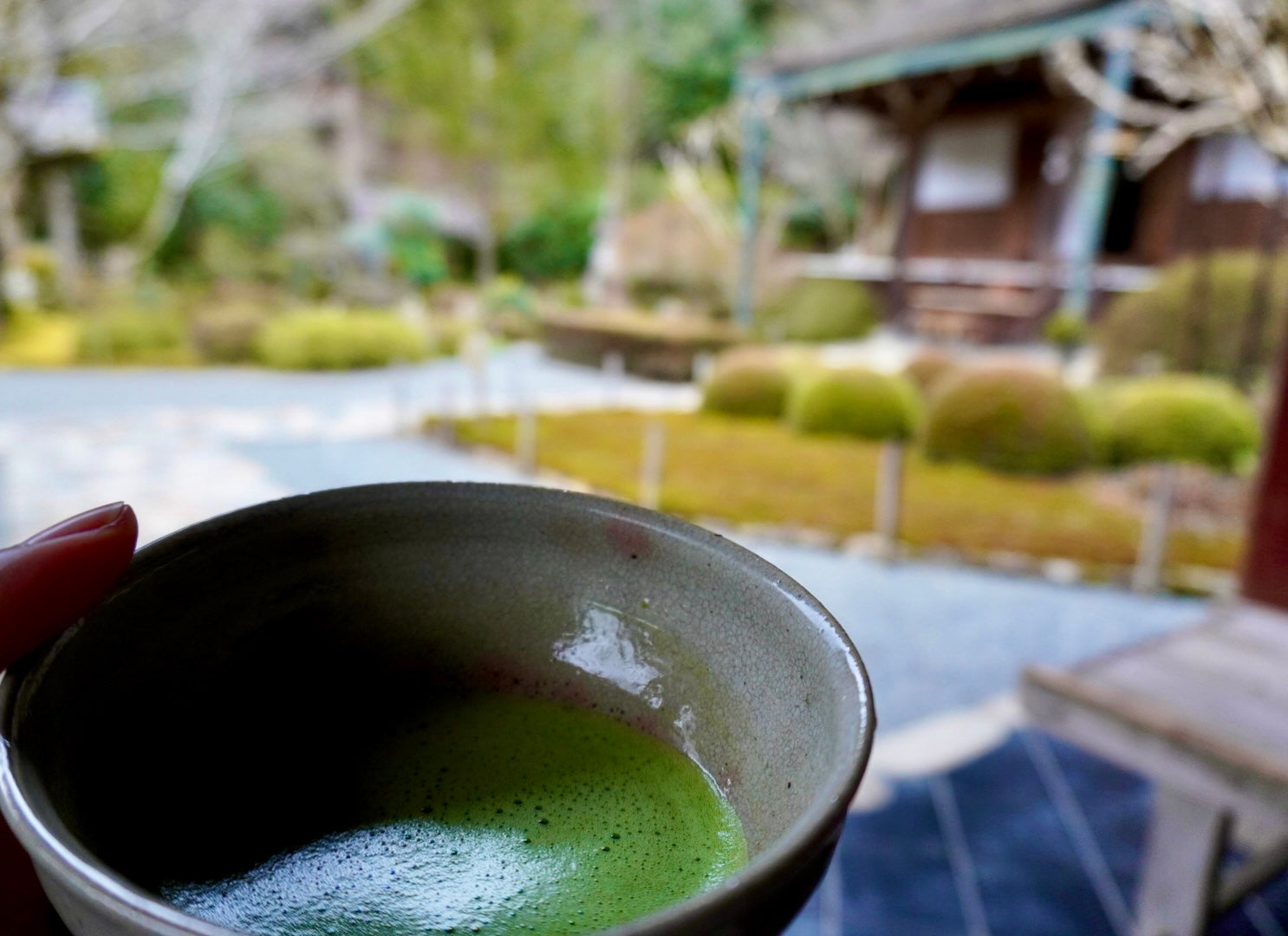
In this matcha grinding experience, you will grind tencha--grown right here in Kyoto--with a chausu and then enjoy it either as matcha or sprinkled over vanilla ice cream ❤︎
Experience Duration: 40 minutes