Kimono (Silk) Rental & Dressing
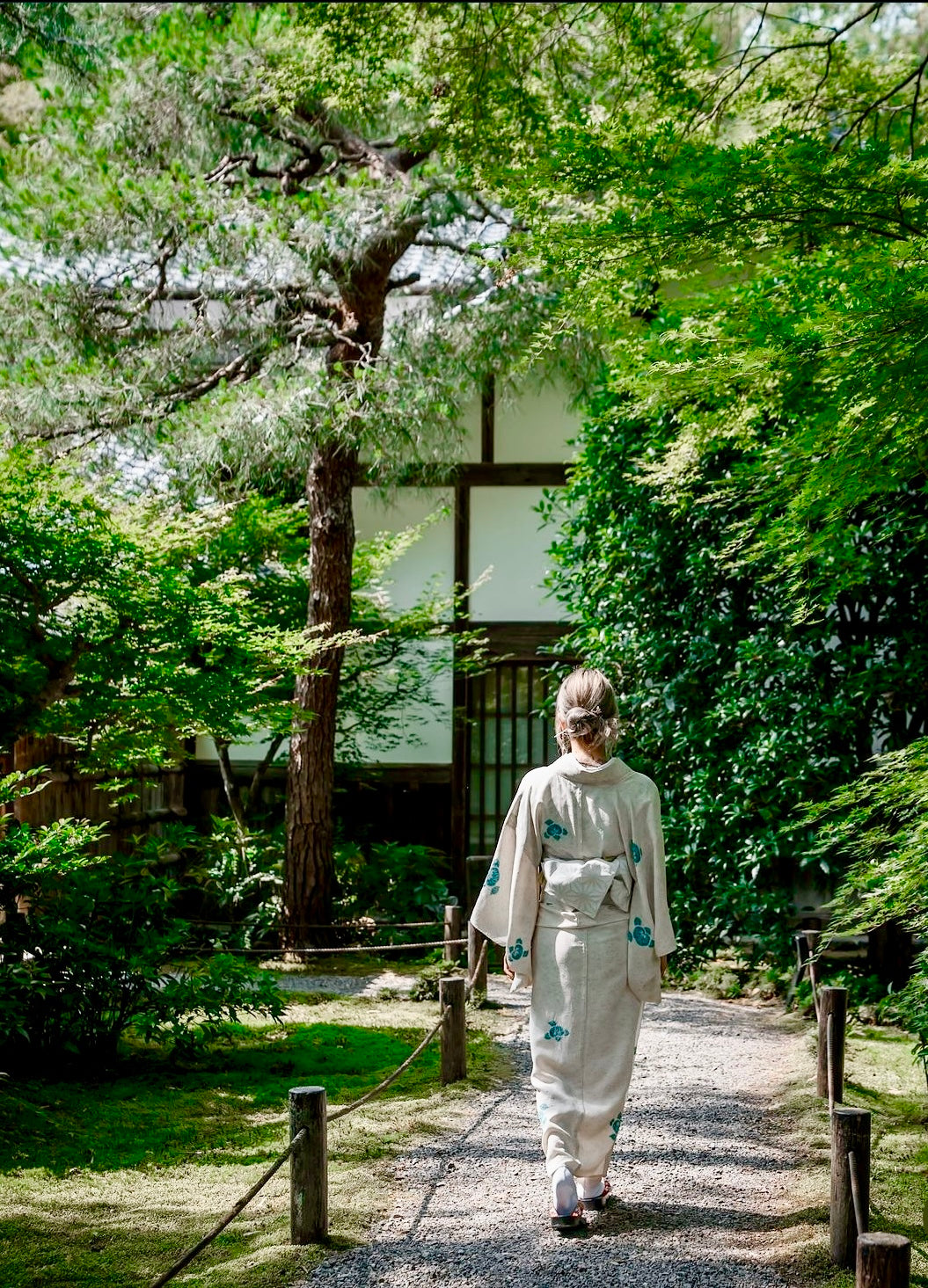
Explore Kyoto in beautiful silk kimono ❤︎
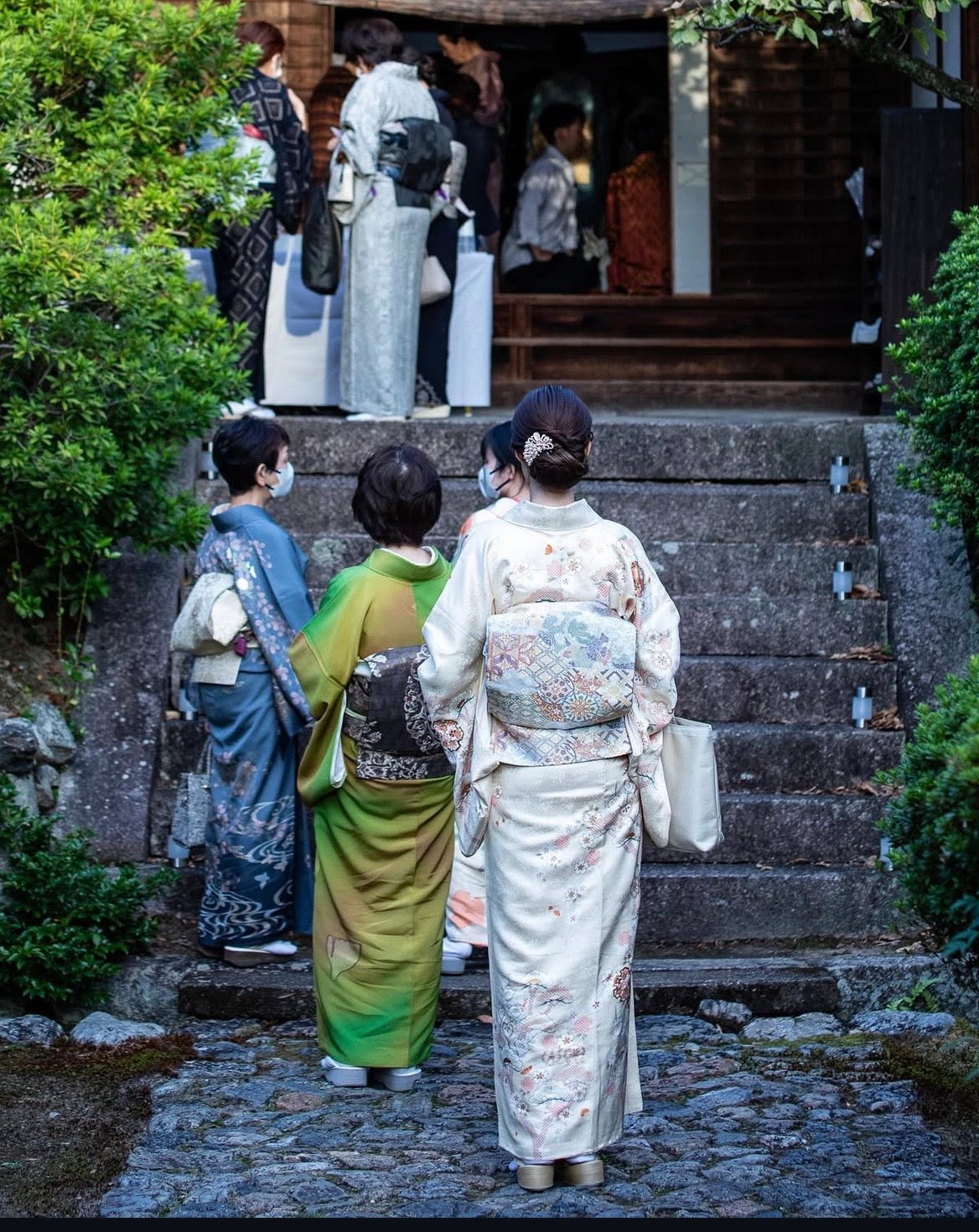
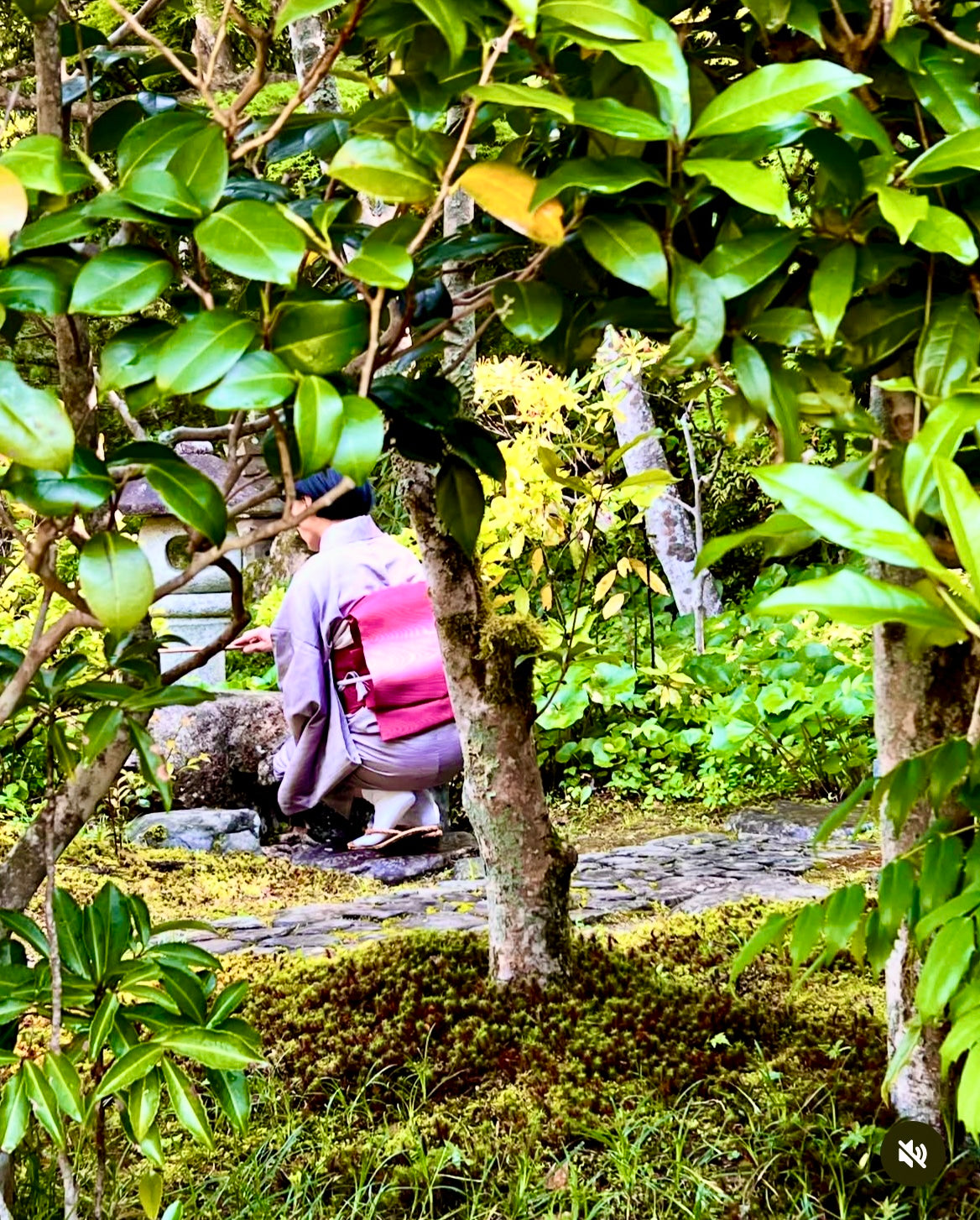
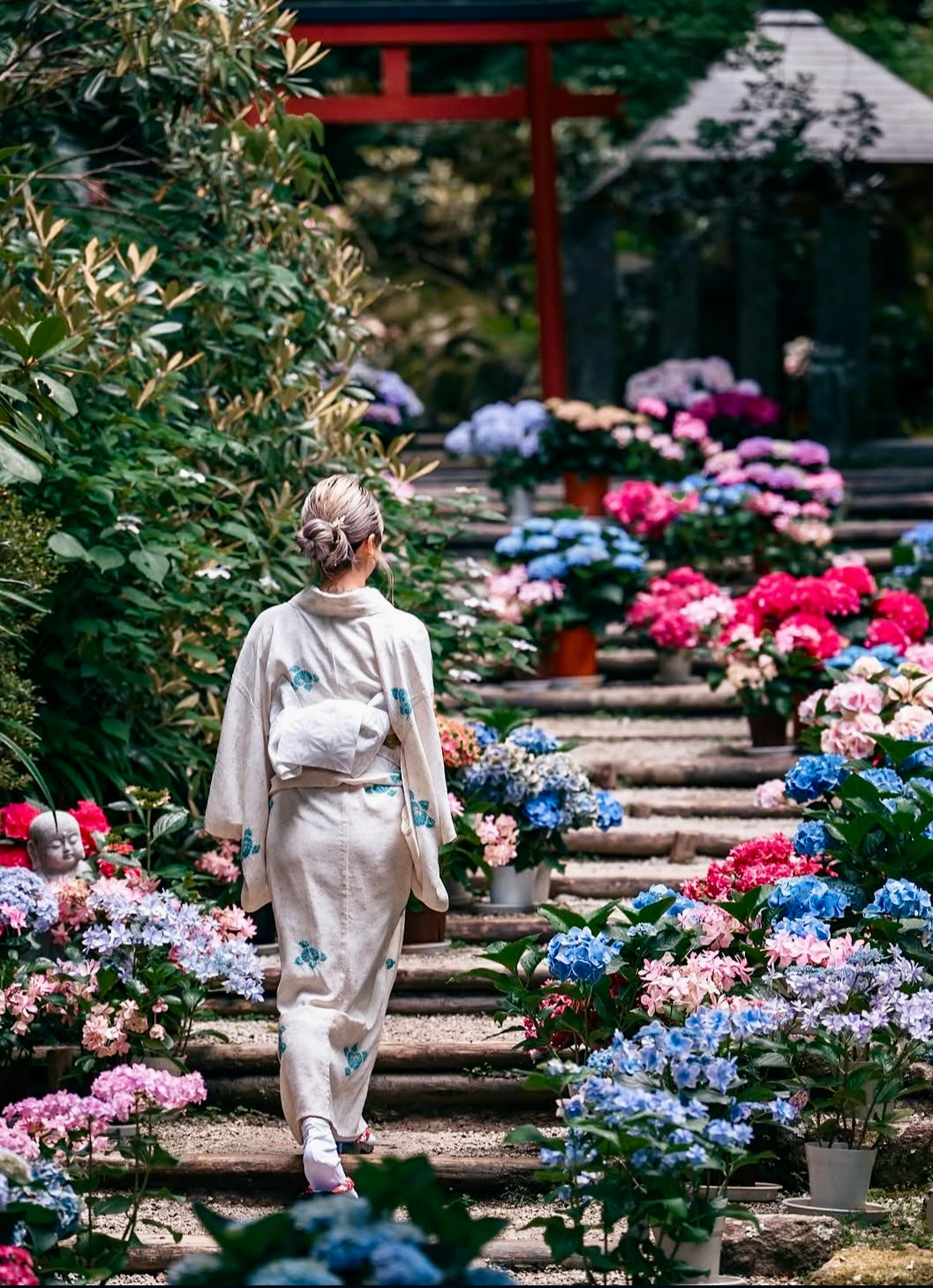
Kimono, the traditional Japanese attire that reflects seasonal changes through use of colors and motifs. Cherry blossoms represent spring, cool blues are reminiscent of summer, golden browns and falling leaves reflect on autumn, while plum blossoms and snowflakes bring forth thoughts of winter.
Each pattern is seeped in meaning, such as the crane representing longevity or marital harmony, the butterfly representing feminine growth, and the rabbit representing prosperity and happiness.
Once worn by all of Japanese society, kimono and its intricate production processes originated in Kyoto within the Imperial Court during the Heian period (794 to 1185). In Heian times, there was great disparity amongst the classes and initially, kimono were limited aristocrats, who commissioned silk weavers to produce colorful, high-quality fabrics. Thereafter, commoners began wearing hemp kimono and the garment became national attire until it fell out of fashion during the Showa era (1926-1989), when western clothing became mainstream in Japan.
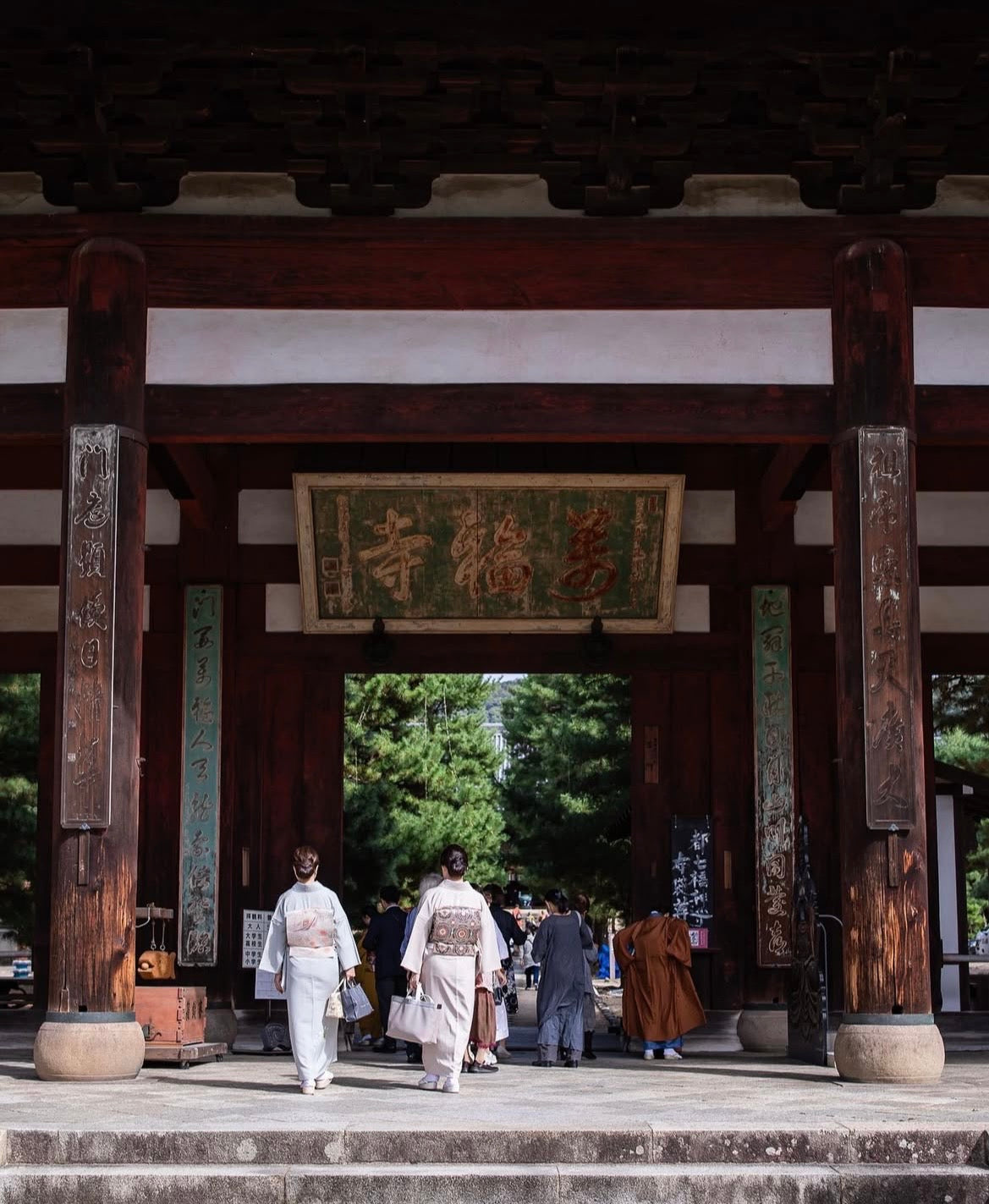
Re-branded in the 1980s by the kimono industry as high-end attire suitable for ceremonious occasions, in present day, while kimono manufacturing continues in Kyoto, kimono are rarely worn by Japanese on a regular basis and are typically reserved for special occasions such as weddings, funerals, festivals and ceremonies. In recent years, Japanese and international tourists alike don rented kimono when visiting traditional towns like Kyoto.
In this exclusive Nichome Connect experience, you will be fitted in a high quality, silk kimono in the 100 year old shop of a kimono merchant or in a traditional machiya by an impressively accomplished maiko/geiko kimono dresser. This kimono dressing experience is exquisite, as all of our our kimonos are hand-made—many right here in Kyoto—using traditional weaving, dyeing and hand stitching techniques.
Experience authentic and elegant kimono in Kyoto with Nichome Connect.
What You'll Do
Be dressed in an authentic silk kimono. Explore the town in kimono.
What's Included
☆ Kimono rental
☆ Kimono dressing
What's Not Included
☆ Any guest purchases
Guest Requirements
Guests are required to behave in a civil and respectable manner.
As the places we visit are typically unknown to foreign tourists, you will be expected to absorb the local customs. Your concierge will advise on etiquitte.
Activity Level
Low
You will be dressed in kimono, which requires standing for around 30 minutes.
Accessibility Level
As this experience involves renting authentic, hand-made silk kimonos, it may be difficult to fit guests of a certain height and weight.
How To Order
The Kimono (Silk) Rental & Dressing experience can only be purchased in combination with a Tour and not as a standalone experience.
1: Choose preferred experience of (A) Silk Kimono Rental + Dressing Only (B) Silk Kimono Rental + Hair Styling or (C) Purchase Rented Silk Kimono.
2: Adjust the quantity to match the number of experience attendees. For example, if four people are attending, then the quantity should be set to 4.
3: Add experience to cart.
4: Add any additional Add-Ons to cart.
5: Prior to checkout, ensure there is one or more Tours added to your cart. The date of the experience will be the same date of the tour selected.
6: Check out to complete reservation. Our Concierge will contact you shortly thereafter to confirm logistics and answer any questions.
Once confirmed, you will be sent a payment link. Payment is due within 24 hours of the link being sent and payment constitutes a placed order.
Cancellation Policy
11 Days or More Prior To Tour or Experience Start Date: No Cancellation Fee Levied; 100% of Order Amount Returned
10 days to 6 days Prior To Tour or Experience Start Date: 50% of Order Amount Reserved As Cancellation Fee; 50% of Order Amount Returned
5 Days or Less Prior To Tour or Experience Start Date: 100% of Order Amount Reserved As Cancellation Fee; 0% of Order Amount Returned
For more details, reference our Cancellation & Refund Policy.
Pairs well with
This experience must be purchased in combination with a tour.
Adjust the quantity to match the number of experience attendees
All tour additions subject to experience availability checks
Kimono (Silk) Rental & Dressing
If you have any questions, you are always welcome to contact us. We'll get back to you as soon as possible, within 24 hours on weekdays.
-
Customer Support
Use this text to answer questions in as much detail as possible for your customers.
-
FAQ’s
Use this text to answer questions in as much detail as possible for your customers.
着物 Kimono
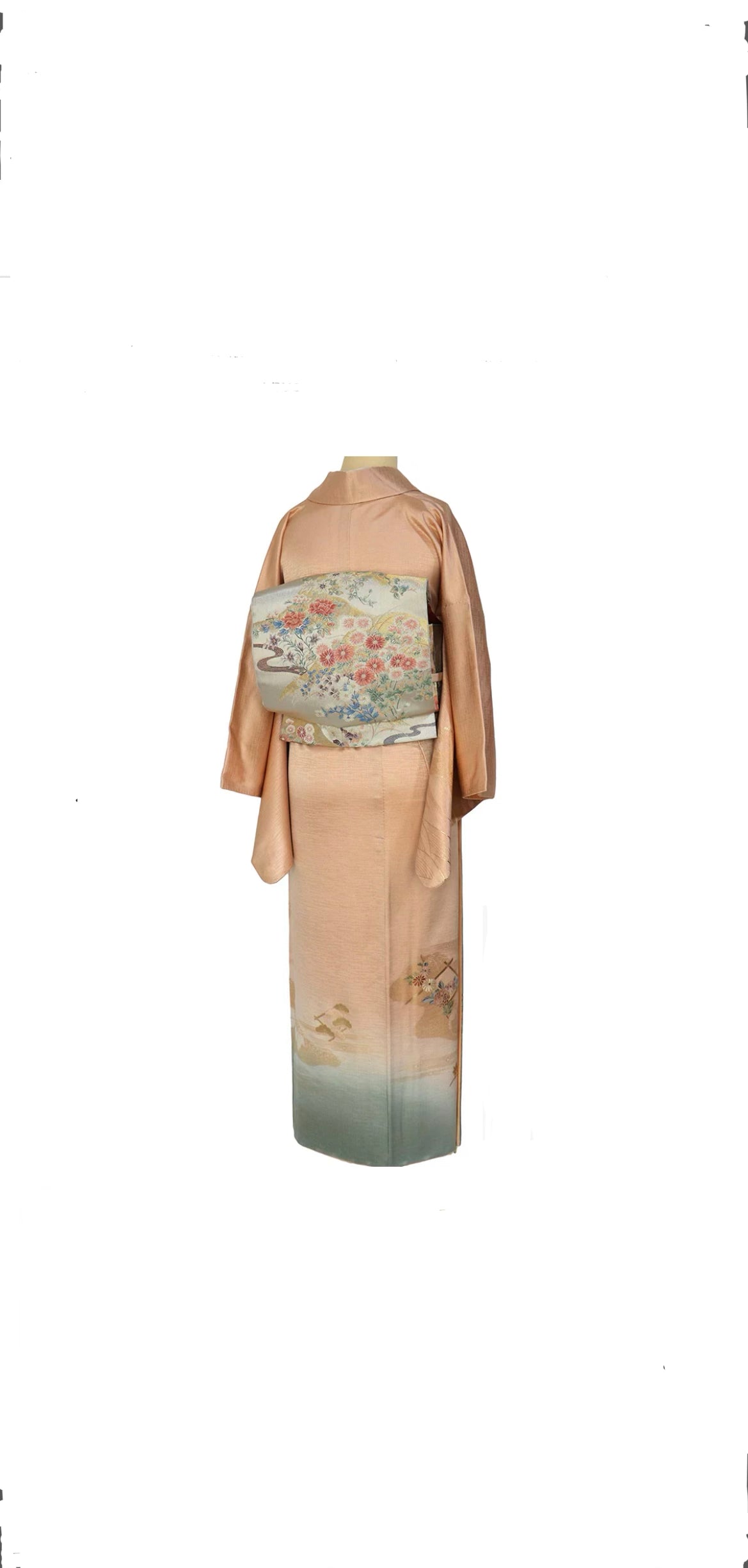
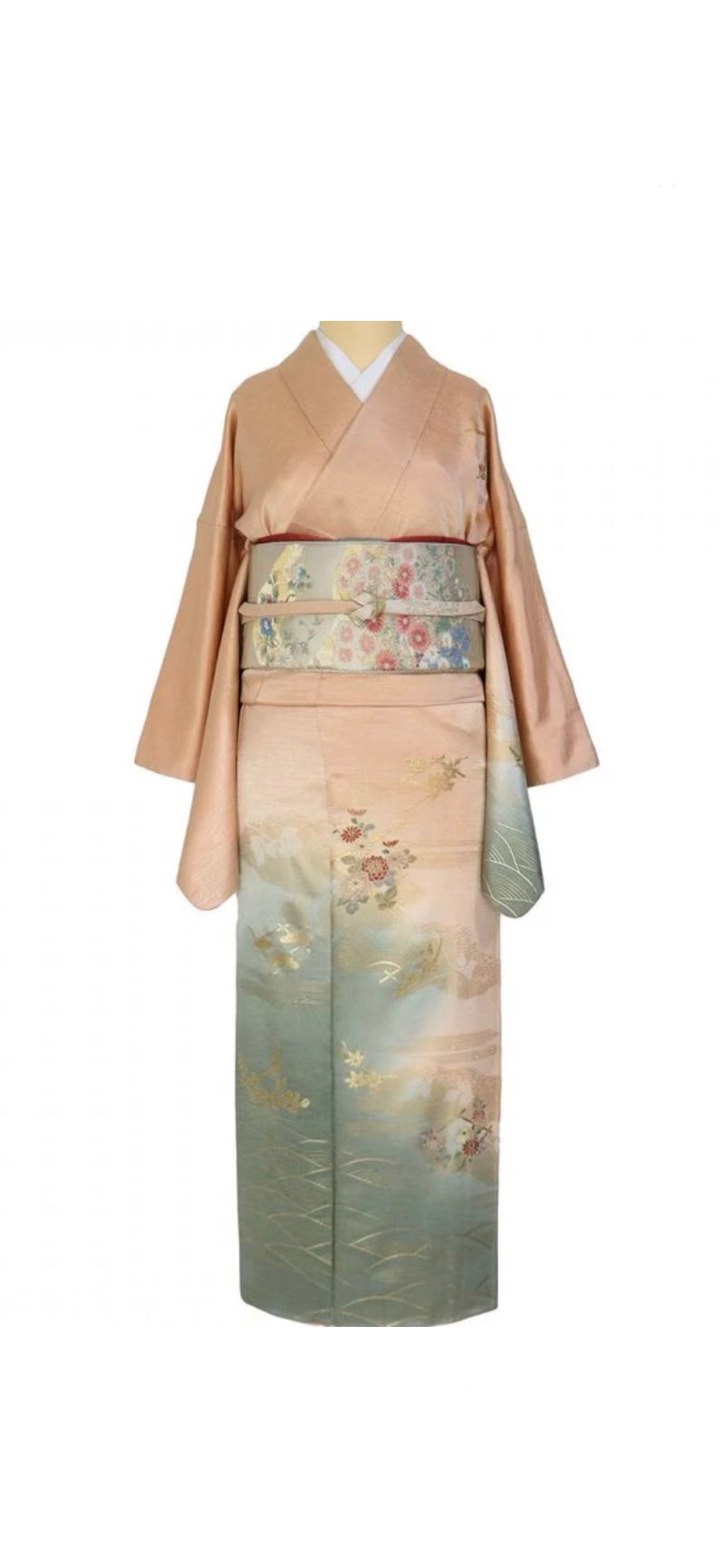
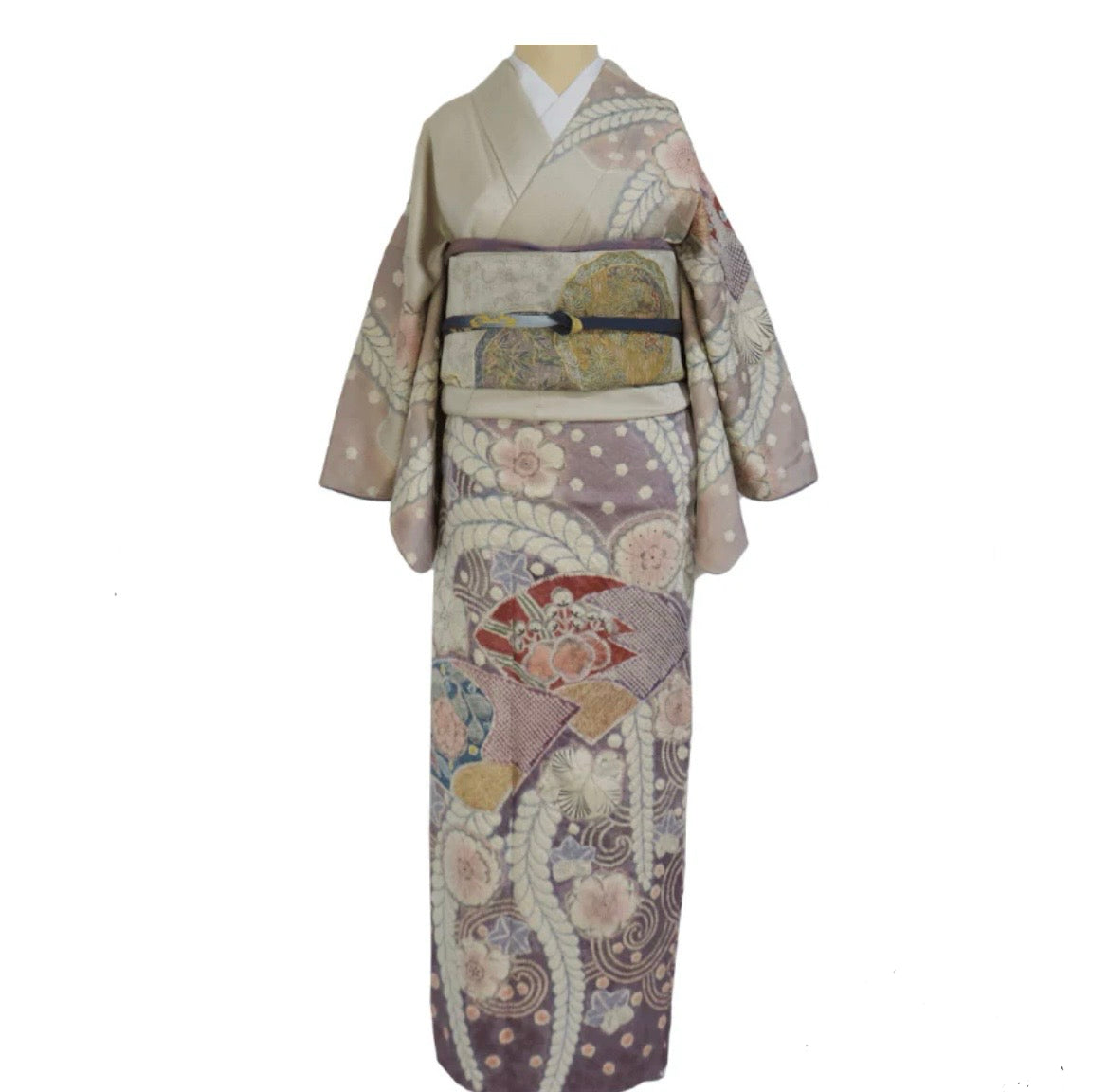
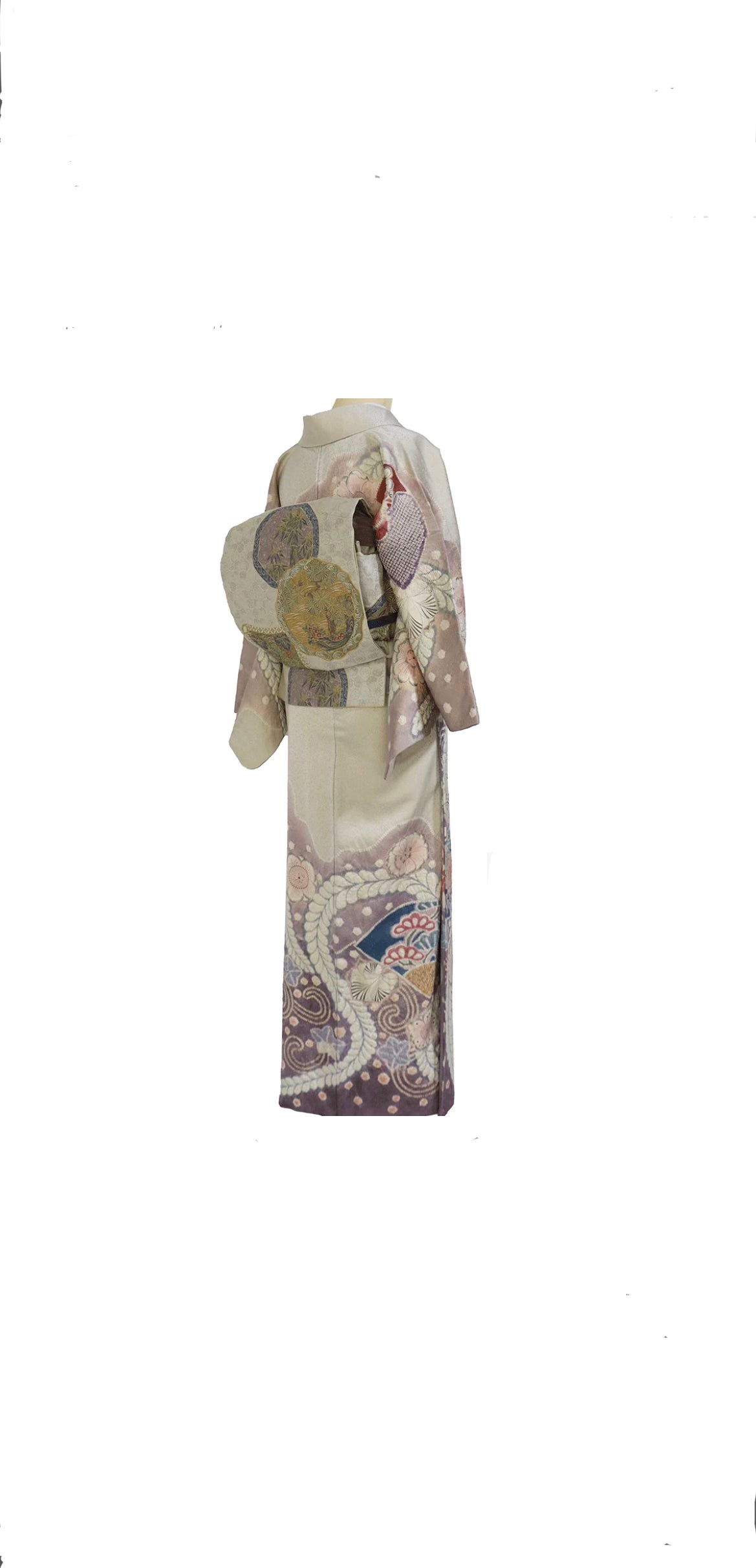
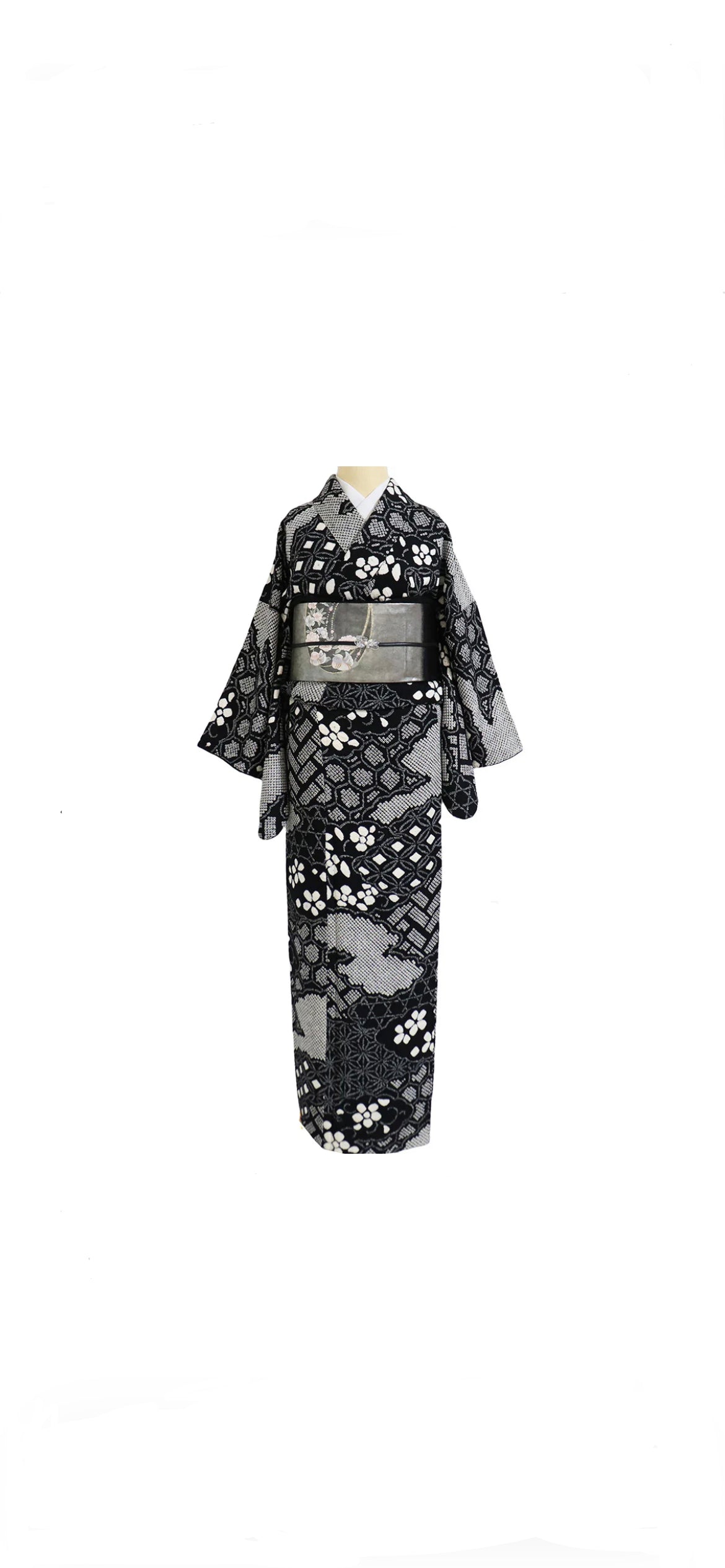
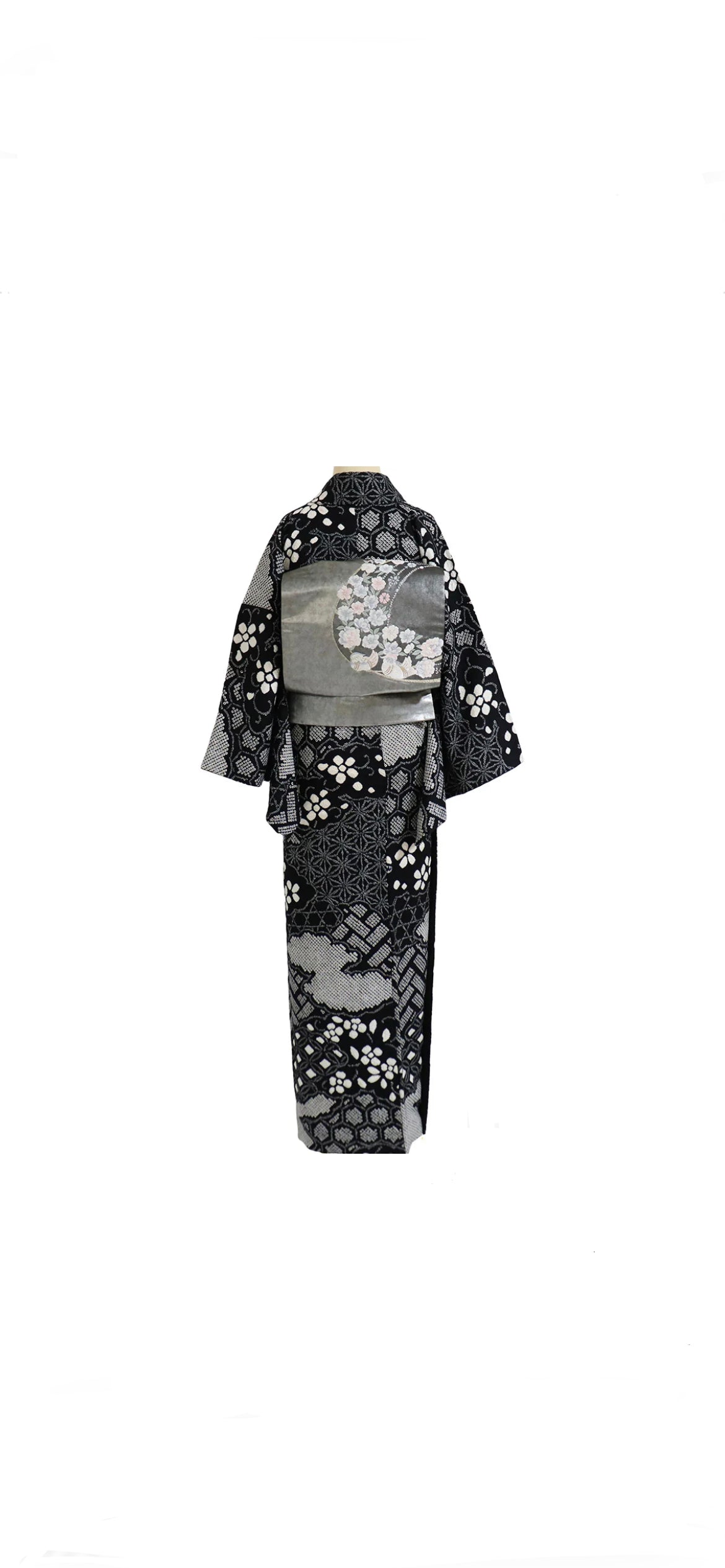
Coordinate Your Kimono & Obi
Pick the colors and patterns that best suit you. Our kimono dresser will ensure that you achieve the proper kimono silhouette.
Fall in love with your kimono? Many of them can be bought from the shop--just let us know!
Explore Kyoto In Elegant Kimono
Meet your Kimono Dresser: With over 40 years experience dressing women in kimono, your kimono dresser not only can achieve the kimono silhouette on any figure, but can coordinate a kimono to suit your preferences and compliment your features.
Did you Know?
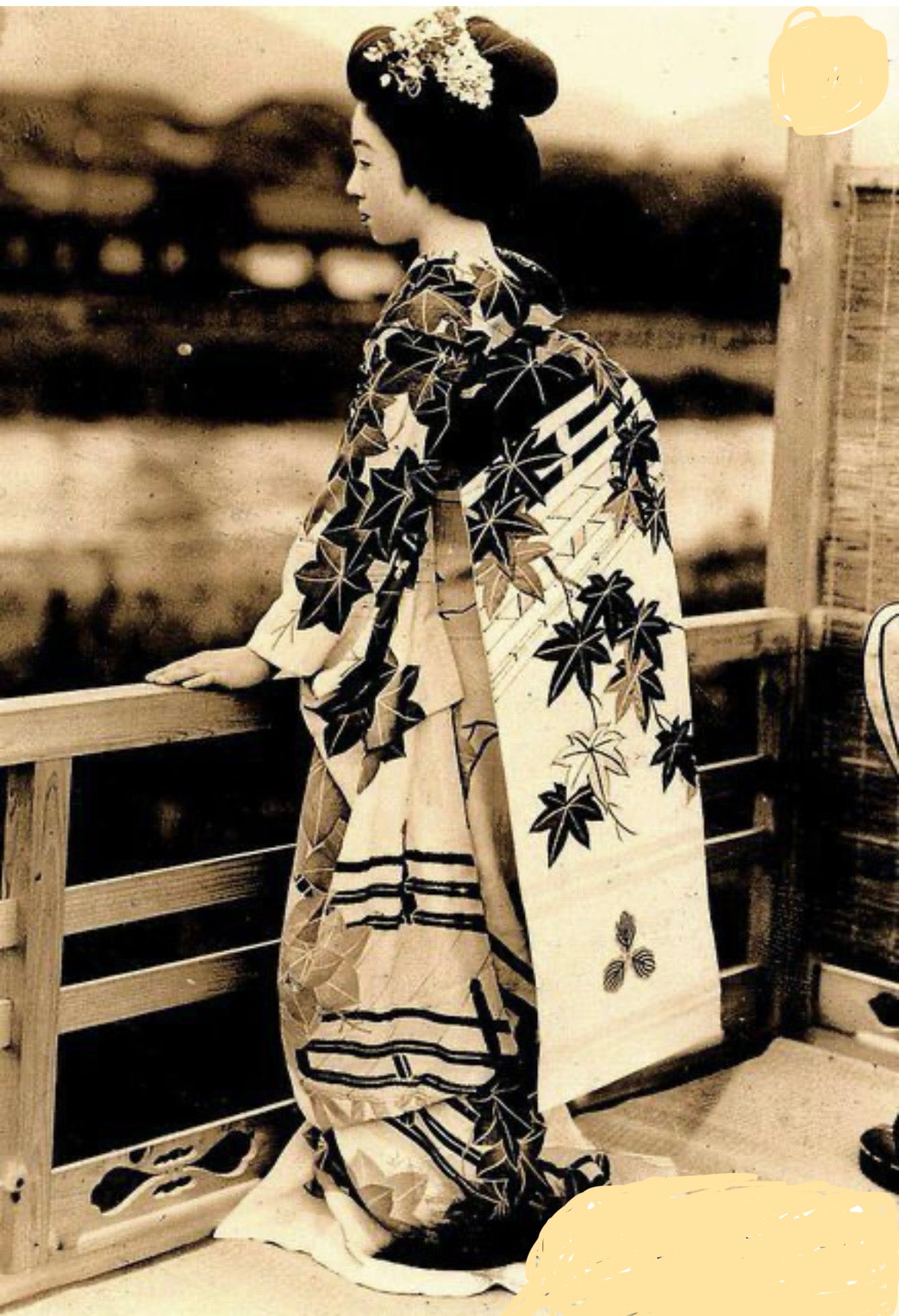
Did You Know?
Western influenced kimono began appearing in Japanese department stores from the early 1900s, and peaked in popularity in the 1920s.
Spearheaded by a modernization strategy from leading department Mitsukoshi, the modernization appeared via changes to the kimono’s patterns, colors and materials. In 1927, they held Japan’s first fashion show featuring modern kimonos.
Sample Itinerary

9:15 AM
Select Your Kimono
Arrive at the kimono dresser and select your kimono, obi and full coordination.
Don't know what to pick? We can give you tips and inspiration.

9:40 AM - 10:15 AM
Kimono Dressing
Watch in anticipation as the talented kimono dresser transforms you into a beautiful silk kimono. When finished, you will depart for the first location on the tour.
Pairs Well With
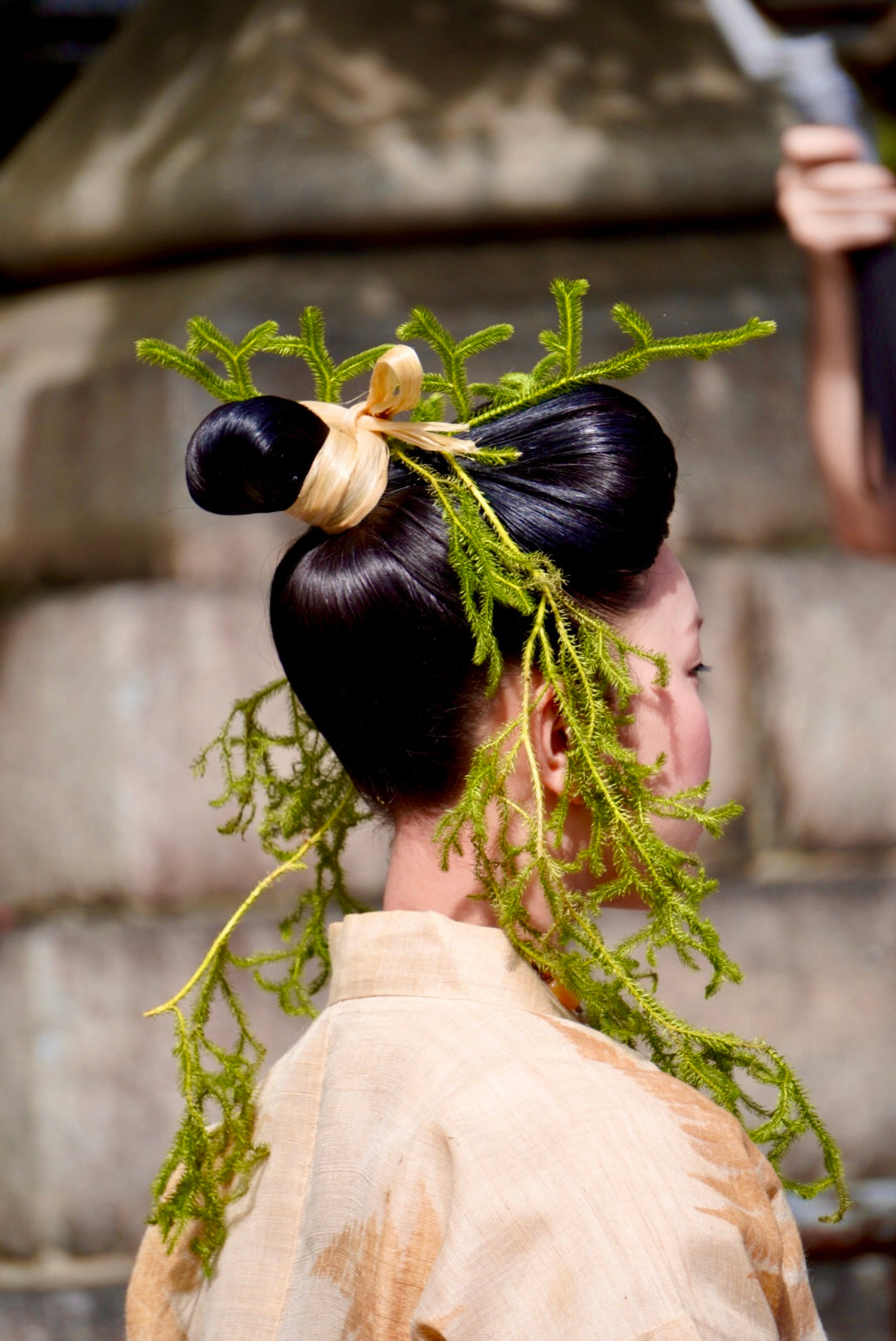

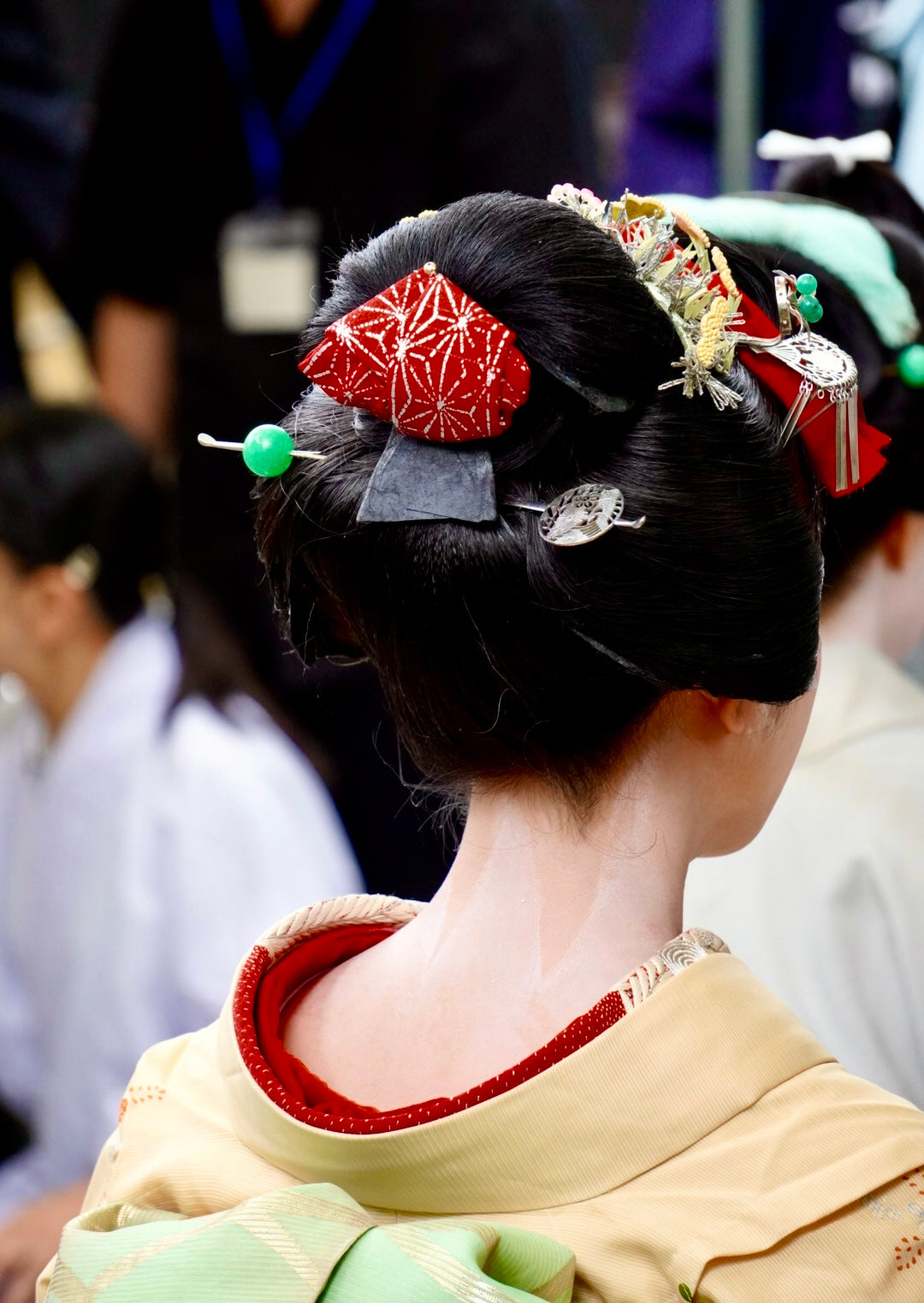
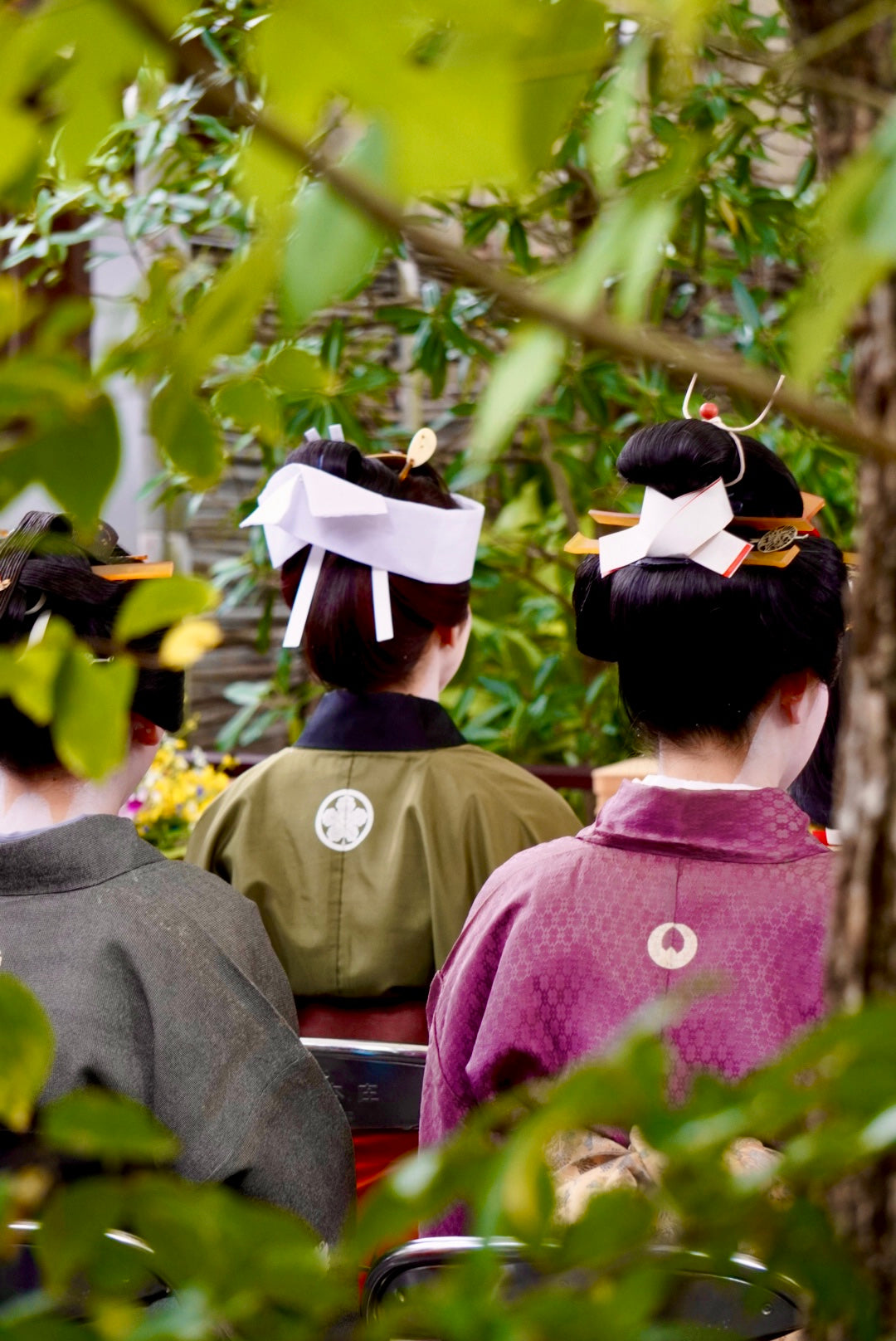
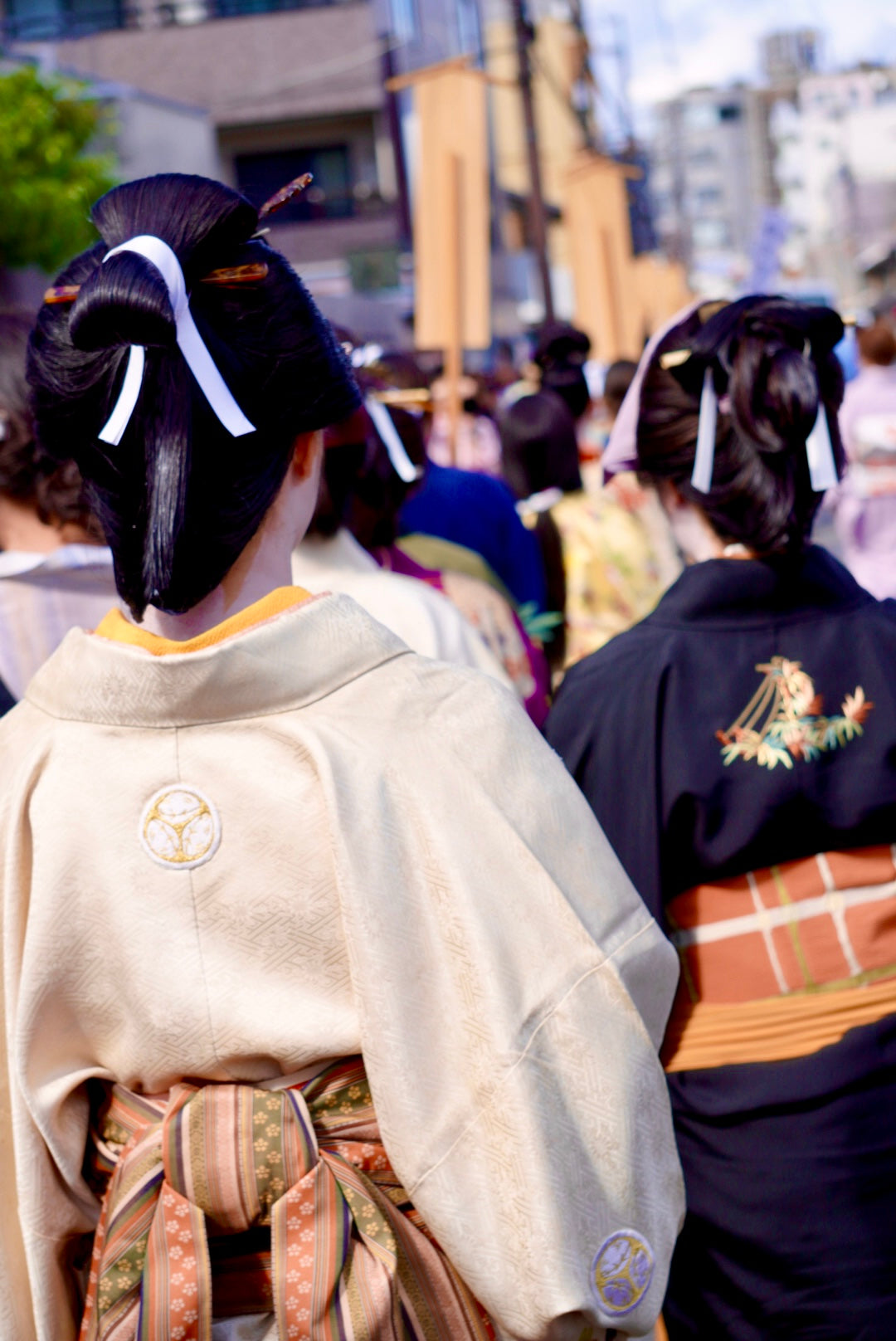
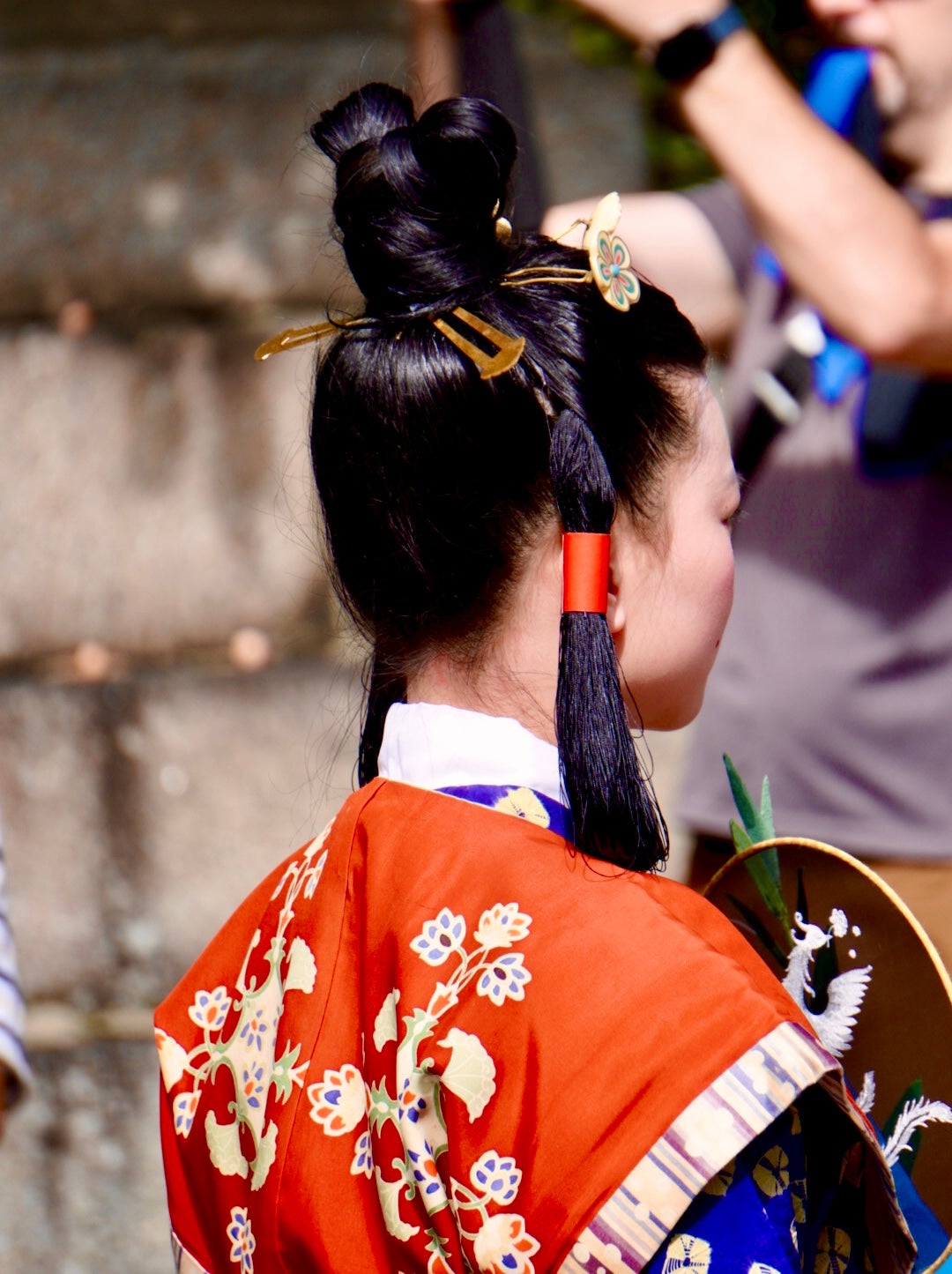
Nihongami: Wear A Traditional Japanese Hairstyle
Hairsylist to maiko and geiko!
Embody the spirit of Kyoto with a traditional Japanese hairstyle. Nihongami, or traditional Japanese hairstyles, are hairstyles popularized in the Edo period (1603-1868).
Creativity pursued in Edo as a range of hairstyles--as many as 280--were prevalent. Categorized into four main types: Hyogo, Shimada, Katsuyama and Kogai, the hairstyles required considerable expense and skill to master. As such most women had their hair styled weekly and slept on special pillows, called takamakura, to maintain the style until their next salon visit.
Nihongami are embellished with hair accessories, and depending on the hairstyle and accessories used, the wearer's age, social class, marital status and occupation could be deduced.
In transforming from a feudal ruling systems to western-style military ruling systems, a proclamation by the Japanese government was issued in 1871, officially allowing people to choose their own hairstyles. A push to adopt and popularize simpler, western hairstyles then ensued.
As such, Nihongami fell out of fashion and is no longer commonly worn. Today, the aesthetic is worn by entertainers such as maiko, geisha, sumo wrestlers and high ranking courtesans and by non-entertainer women having traditional Japanese weddings on her wedding day.
In this exclusive Nichome Connect experience, you will have the opportunity to have your hair styled styled in a traditional machiya located near a sacred shrine by a veteran hairstylist who, to this day, both styles the hair and dresses in kimono Kyoto's beloved maiko and geiko.
Choose from a traditional nihongami hairstyle, a modern take on nihongami or an elegant updo.