
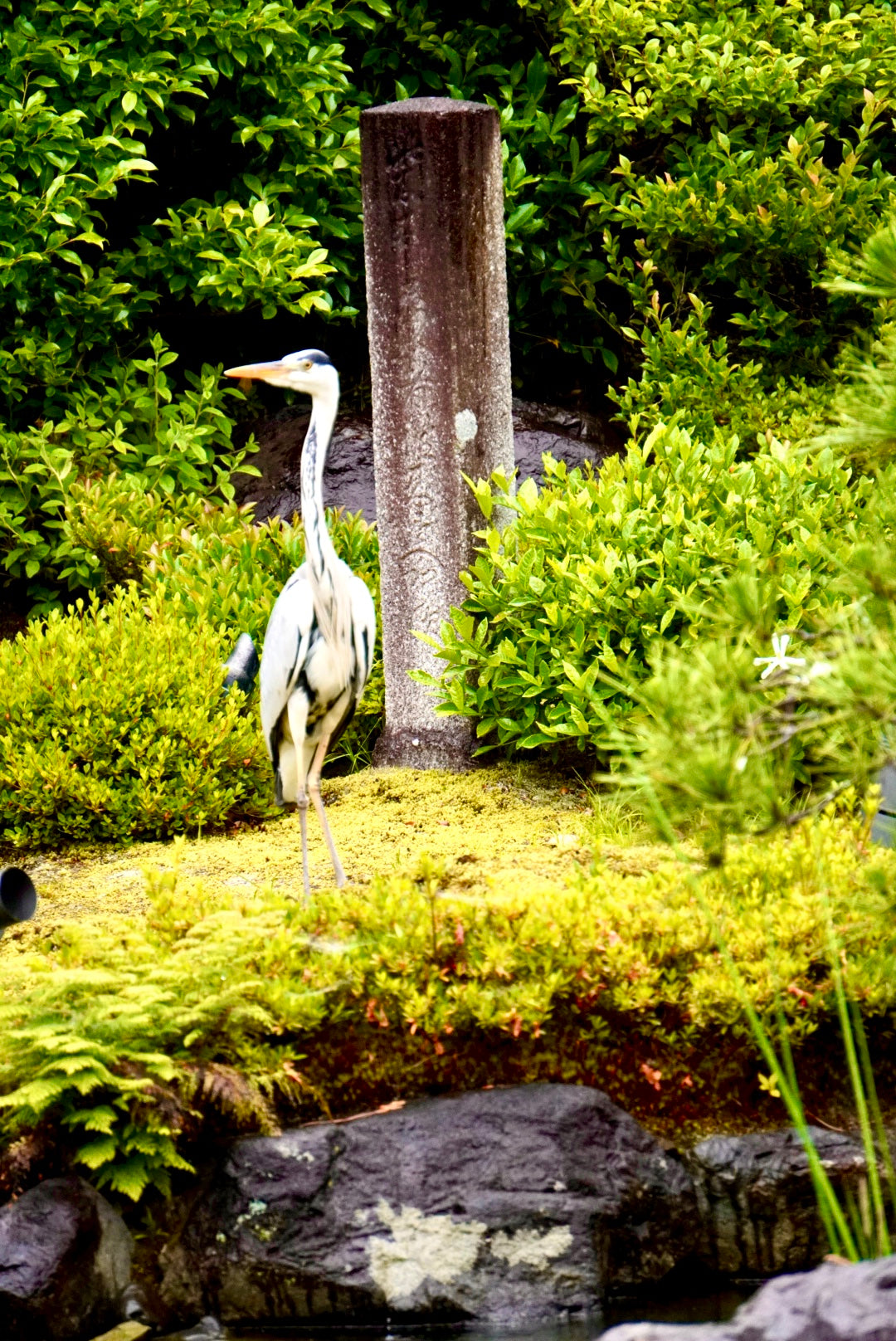
Solo Gorgeous Garden Tour
Often a themed replica of specific landscapes, poems, stories, tales or spiritual ideals, Japanese gardens are meticulously created with an intent to harmonize with nature and in some instances pursue an ideal human utopia. While some gardens are confined to a specific plot of land, others intentionally incorporate the surrounding landscape of distant mountains and valleys.
Explore with us in this full day tour as we drive you to the most beautiful gardens in Kyoto. Not easily accessible by public transportation means you can forget the crowds and enjoy gardens as they were meant to be experienced while learning about their key design aspects and how they are faithfully maintained thru the generations. Allow us to help you read the gardens and further understand the artistry behind their creation in the Solo Gorgeous Garden Tour.
Tour Duration: 6 Hours
What You'll Do
Be driven in a temperature controlled vehicle to 3-4 Japanese gardens while while enhancing your understanding of Japanese gardens.
We will explain the garden design principles, share how it has been maintained or re-built of over the decades, link the garden's presence to broader Japanese cultural values, share anecdotes about the challenges of preserving its beauty and transform a beautiful stroll into an educational and contemplative journey.
What's Included
☆ Garden entry fees
☆ Transportation by private vehicle and all associated transportation fees.
Alternatively, if requested, we can commute by taxi at participant expense.
What's Not Included
☆ Refreshments (Lunch, sweets, snacks, beverages)
☆ Luggage or baggage storage. Guests will be required to remove all belongings from the vehicle when exiting.
Guest Requirements
☆ Guests are required to behave in a civil and respectable manner.
☆ Guests are required to wear seatbelts while in commute.
Mindful Garden Etiquette
These simple acts help preserve the peaceful atmosphere that makes garden strolls so lovely:
- Speak softly within garden grounds
- Remain on marked paths
- Avoid stopping in locations that block the way of passersby
- Refrain from eating or drinking within the grounds
- Carry out any trash
Activity Level
Activity Level: Low
Although we will drive from location to location, this tour requires walking through gardens at a leisurely pace with periods of standing.
Opportunities for rest included.
Accessibility Level
Terrain: A mix of flat and uneven surfaces; some stone paths and gentle inclines. Flat, comfortable, and secure shoes recommended.
Recommended Fitness: Ability to walk moderate distances and stand for periods of time without assistance
☆ Uneven surfaces in places
Cobblestone streets or gravel sidewalks
Wheelchair Accessibility: Not avaliable for this tour. Please contact us via the Contact Us form so that we may provide tours suitable to those traveling in wheelchairs.
How To Order
1: Adjust the quantity to match the number of tour attendees. For example, if two people are attending, then the quantity should be set to 2.
2: Select desired date.
3: Add tour to cart.
4: Add any desired Add-Ons to cart.
5: Check out to complete reservation. Our Concierge will contact you shortly thereafter to confirm logistics and answer any questions.
Once confirmed, you will be sent a payment link. Payment is due within 24 hours of the link being sent and payment constitutes a placed order.
Cancellation Policy
16 Days or More Prior To Tour or Experience Start Date: No Cancellation Fee Levied; 100% of Order Amount Returned
15 days to 11 days Prior To Tour or Experience Start Date: 40% of Order Amount Reserved As Cancellation Fee; 60% of Order Amount Returned
10 days to 6 days Prior To Tour or Experience Start Date: 80% of Order Amount Reserved As Cancellation Fee; 20% of Order Amount Returned
5 Days or Less Prior To Tour or Experience Start Date: 100% of Order Amount Reserved As Cancellation Fee; 0% of Order Amount Returned
For more details, reference our Cancellation & Refund Policy.
Pairs well with
Tour capacity is limited to two participants
Select quantity (number of participants), date and time prior to adding to cart. The date and time is selectable from the "Select Date" button.
Solo Gorgeous Garden Tour
If you have any questions, you are always welcome to contact us. We'll get back to you as soon as possible, within 24 hours on weekdays.
-
Customer Support
Use this text to answer questions in as much detail as possible for your customers.
-
FAQ’s
Use this text to answer questions in as much detail as possible for your customers.
Beauty By Design
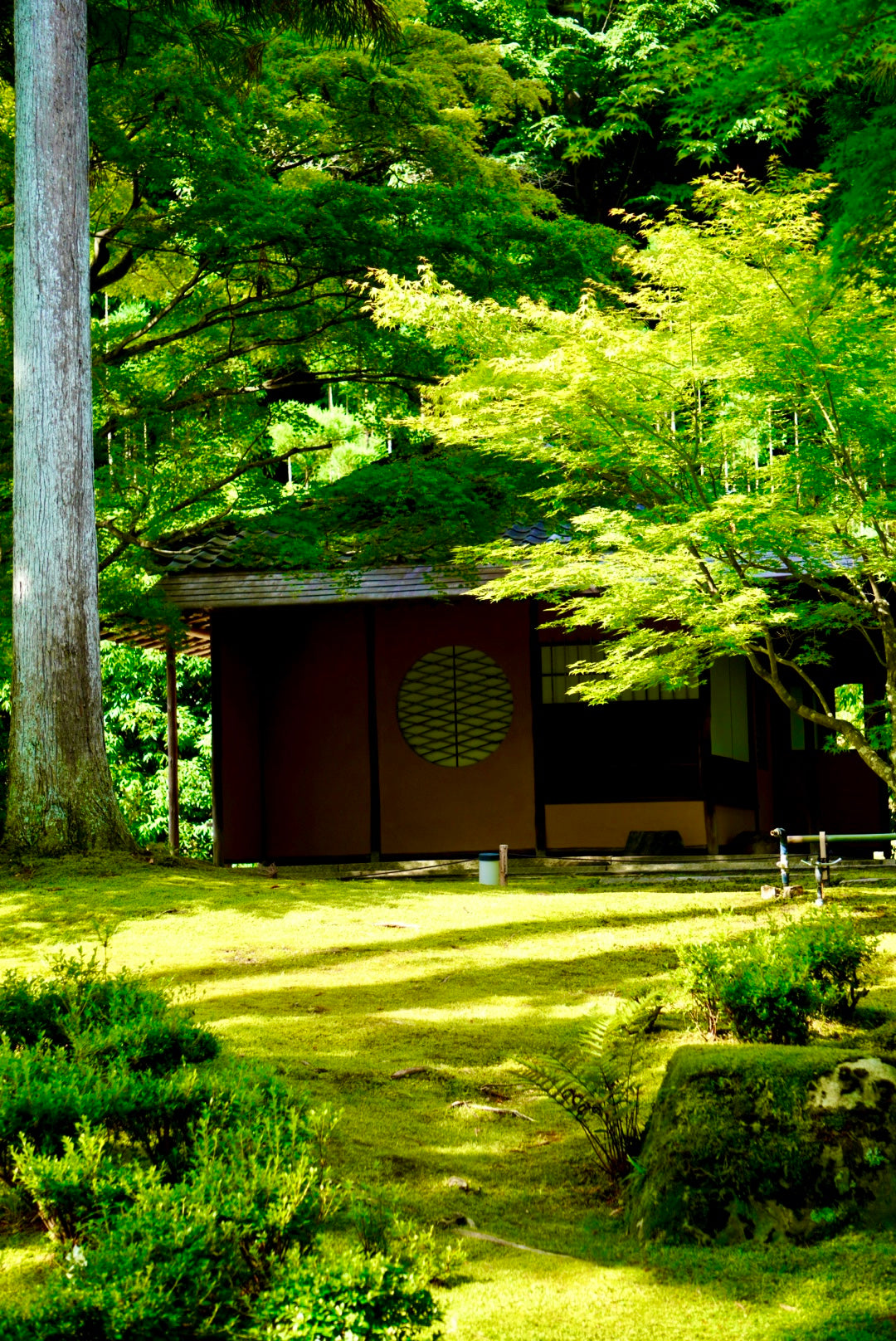
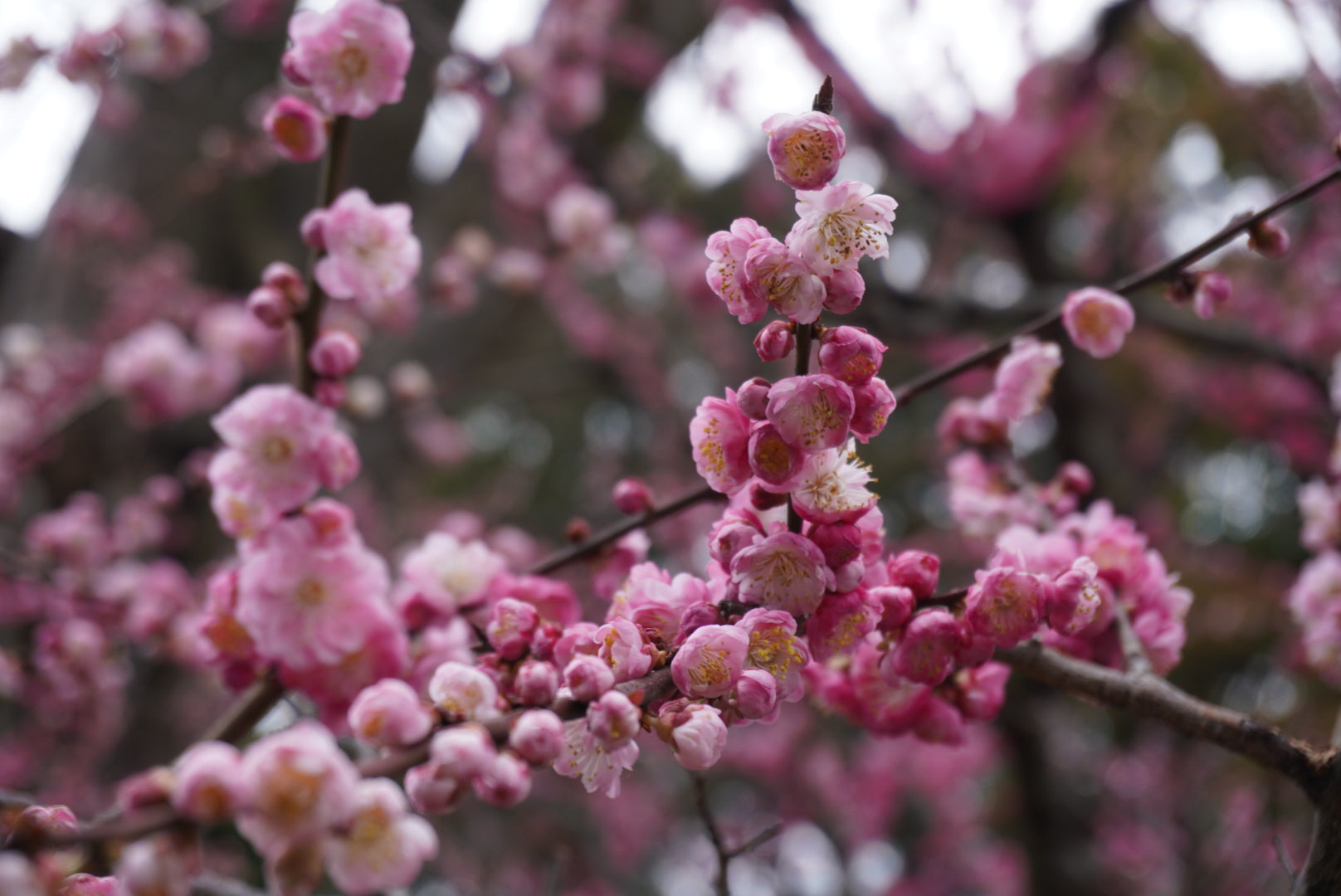
Designed to be appreciated year-round, Japanese gardens are ripe with seasonal beauty – vibrant spring flowers, lush summer greens, striking autumn reds and stark winter landscapes.
Soft Slopes
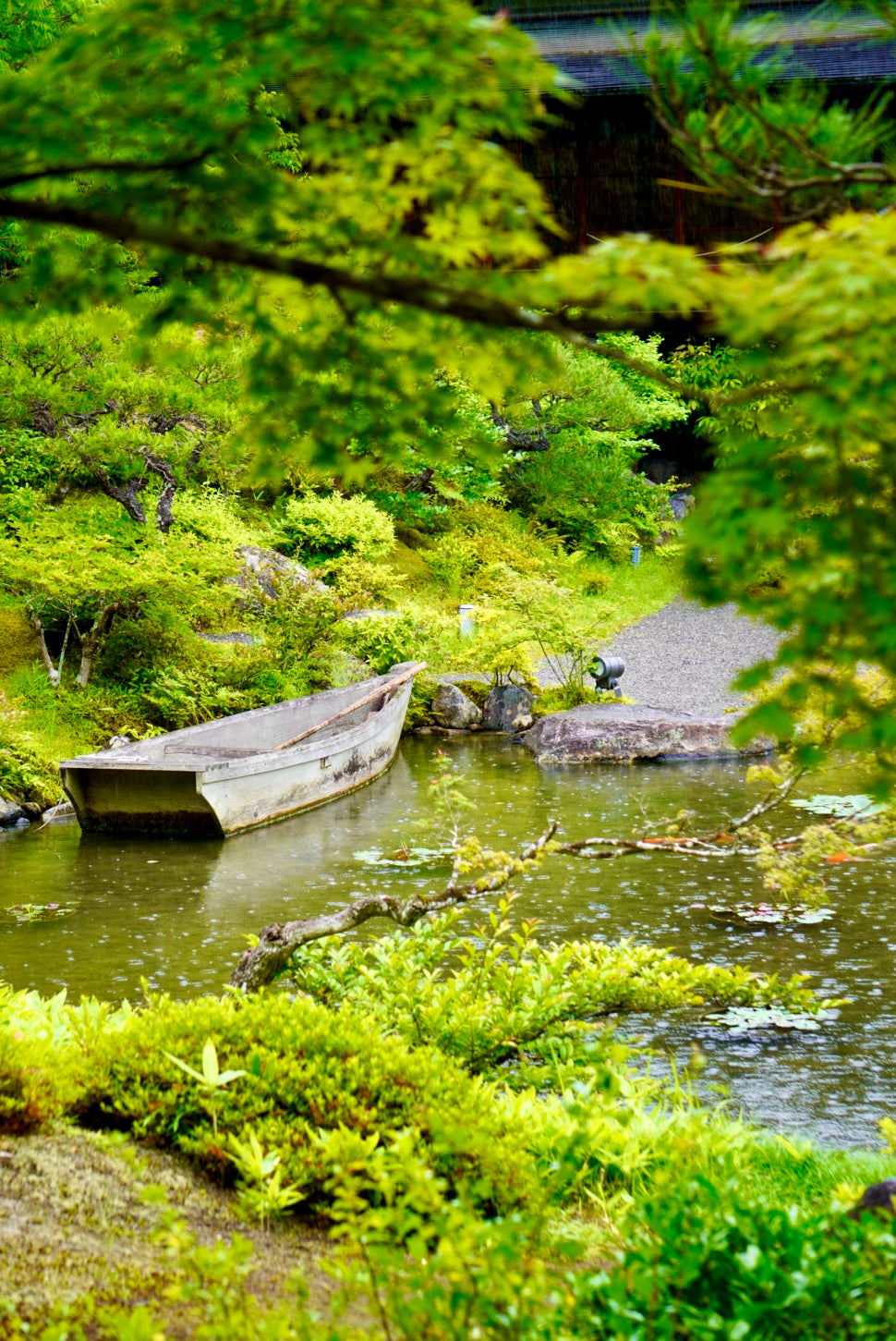
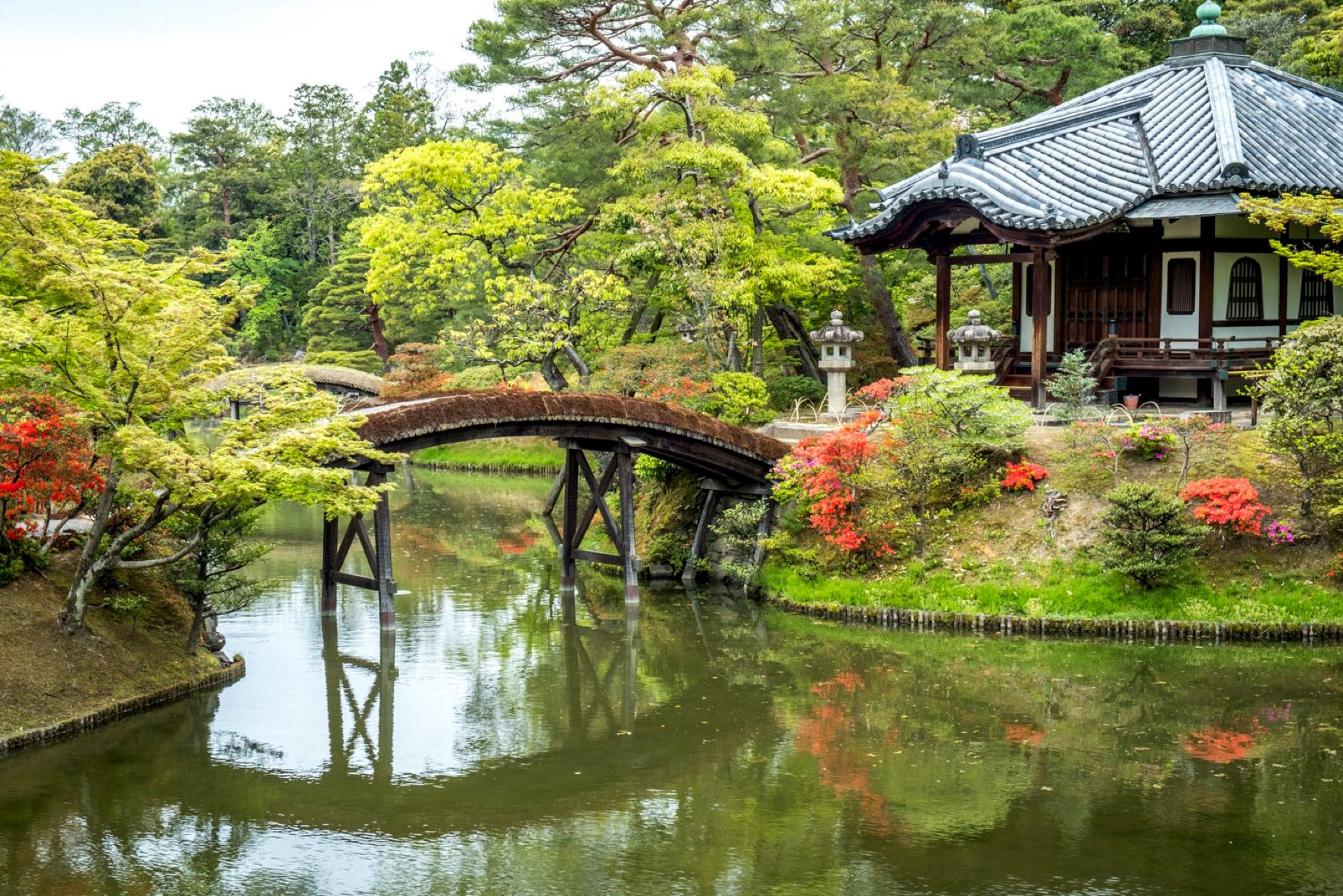
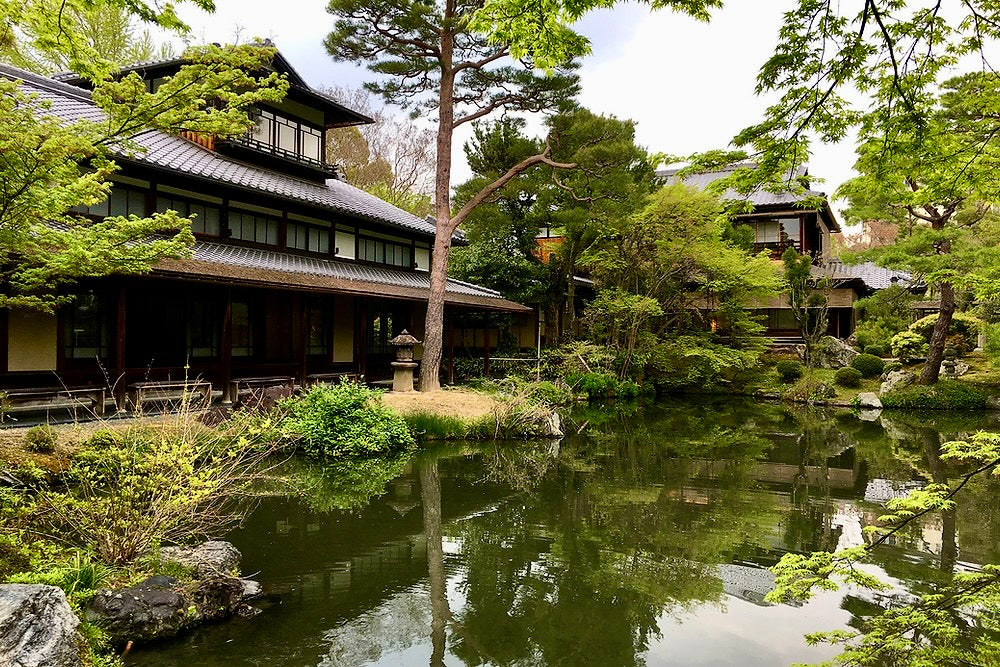
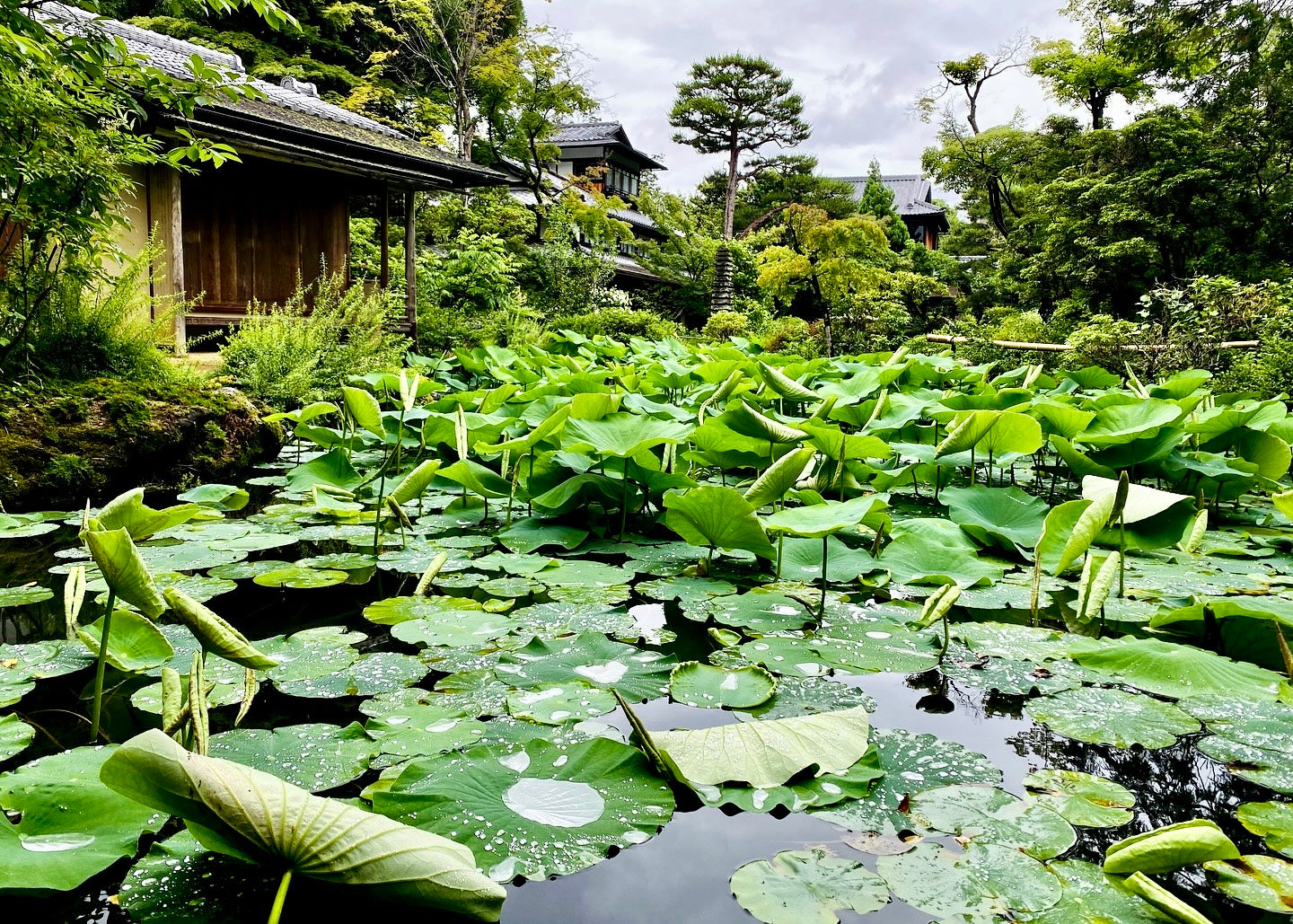
Many beautification techniques are used in crafting Japanese gardens, one of which we will witness during this tour is suhama (州浜) a technique used when transitioning between water and earth elements.
In this technique, a slope is created to blur the boundary between land and water so that the waterline becomes softer and the water color clearer.
Peaceful Perception
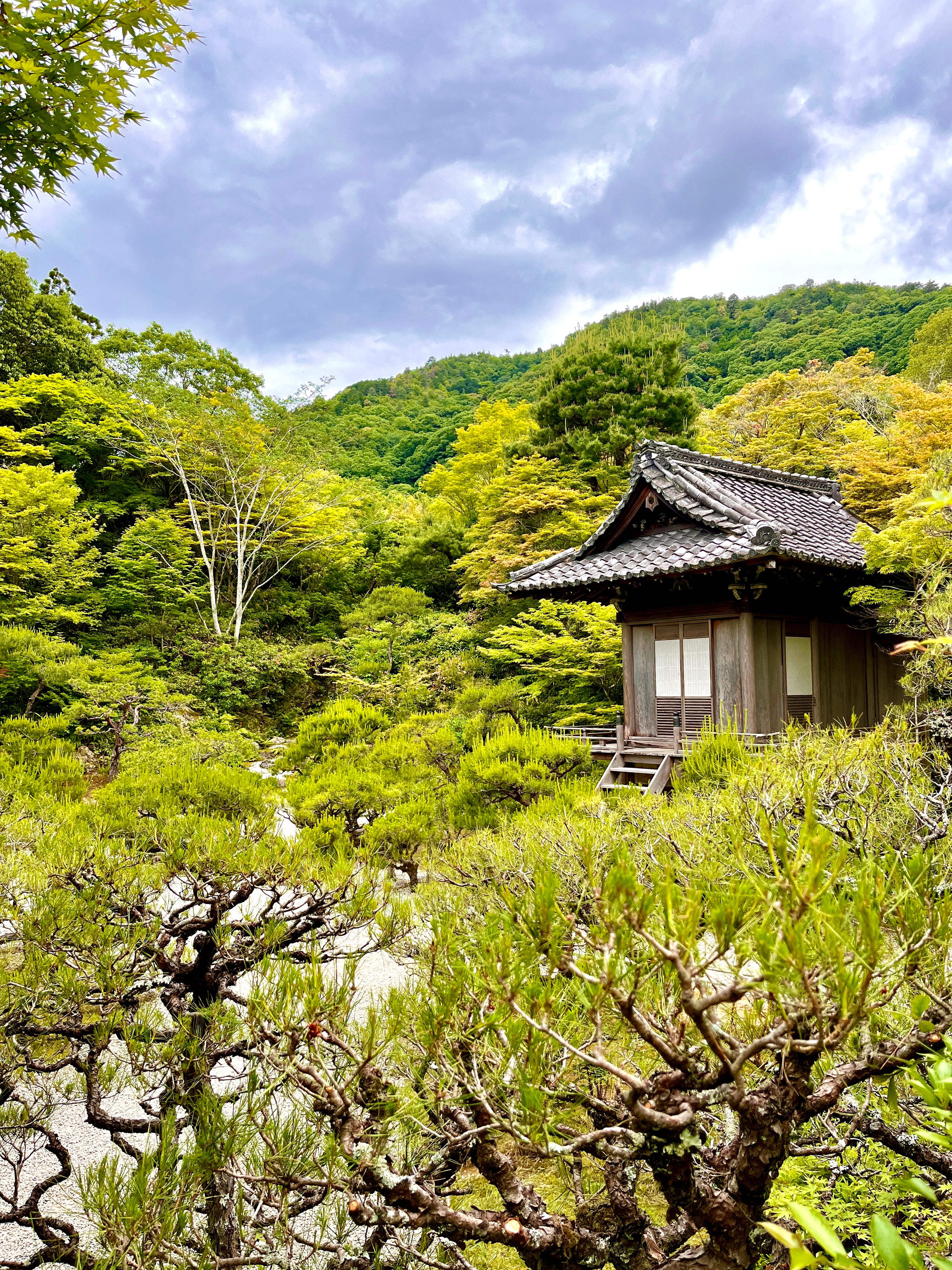
Japanese gardens are known for their three dimensionality where a main, secondary and supporting framework is used via triangular plains and the arrangement of elements by height.
Shorter elements are placed in the foreground and larger elements placed further away, thus creating a sense of perspective and depth.
Silent Paths
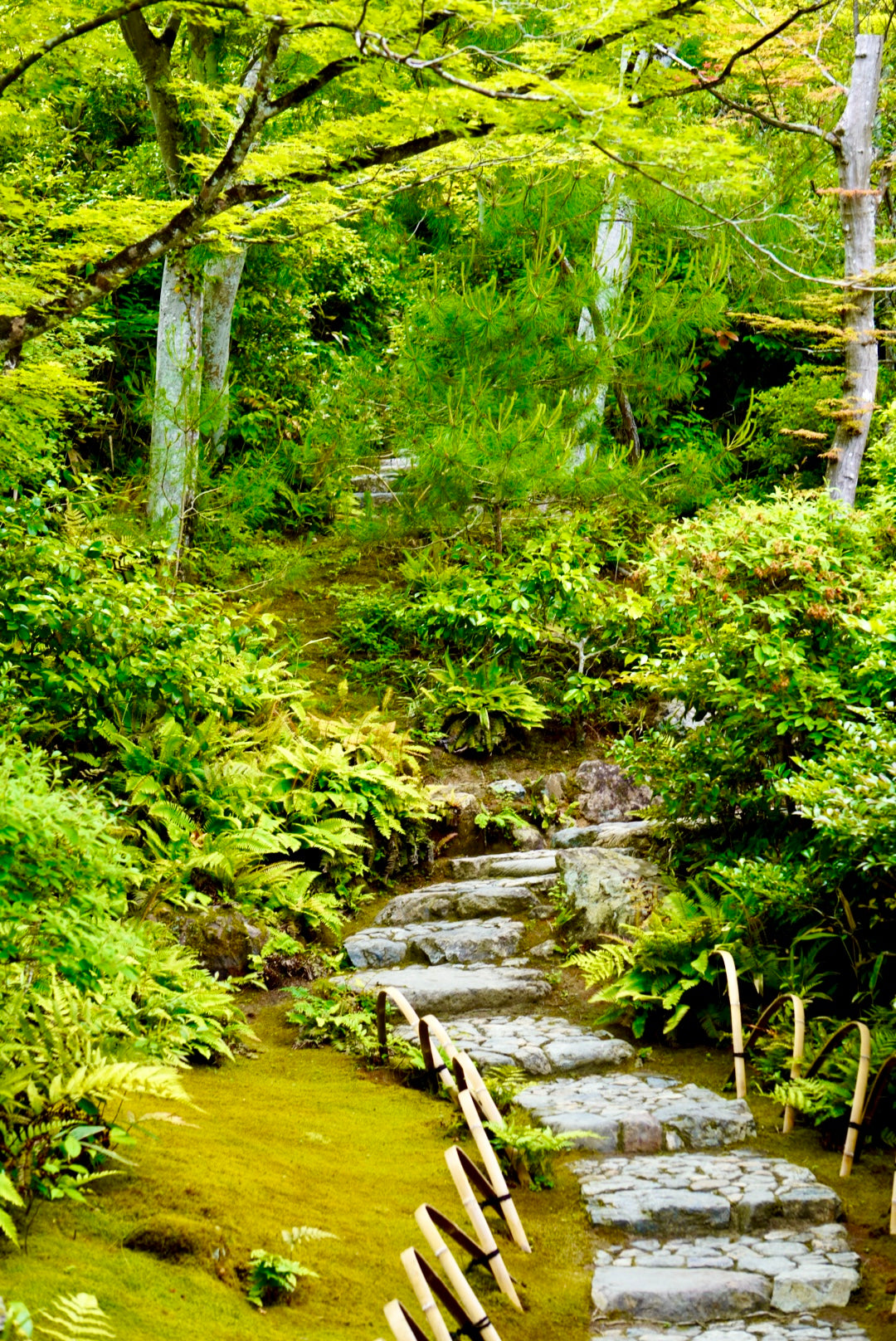
Without hearing a single sound, you instantly know exactly where to go as the garden guides you to to what you will see and how it will be seen via the path laid to walk on.
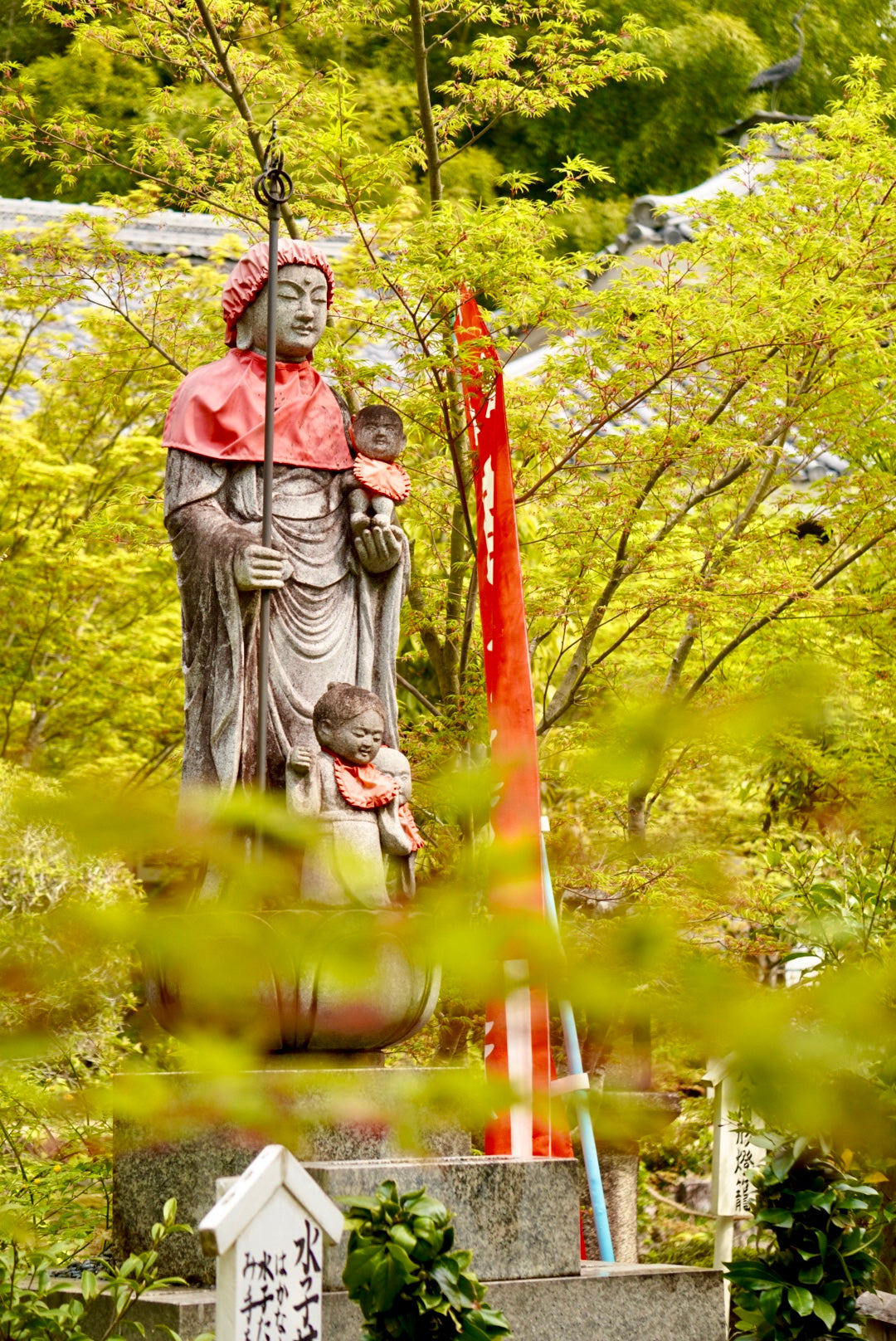
Whether it be a stepping stone (tobiishi 飛石) or a dutiful stone encouraging the walker to pause and admire a particular location, (yakuishi 役石), the stones beneath your feet have the humble role of both supporting your steps and guiding you through the garden.
Subtleties Sensed
Be it the gentle trickle of a stream, the rhythmic thump of a bamboo water fountain (鹿威しshishi-odoshi) the rustle of leaves or distinct crunch of gravel path, the scent of blooming flowers, damp moss or pine trees, or simply the change of the breeze as you move from an open space to a shaded grove, various subtle sensory gestures gently encourage a contemplative state.
Sample Itinerary
10 AM
Meet Your Guide
Your guide will meet you at the designated meeting spot as provided in the tour confirmation e-mail.

10:30 AM
First Garden
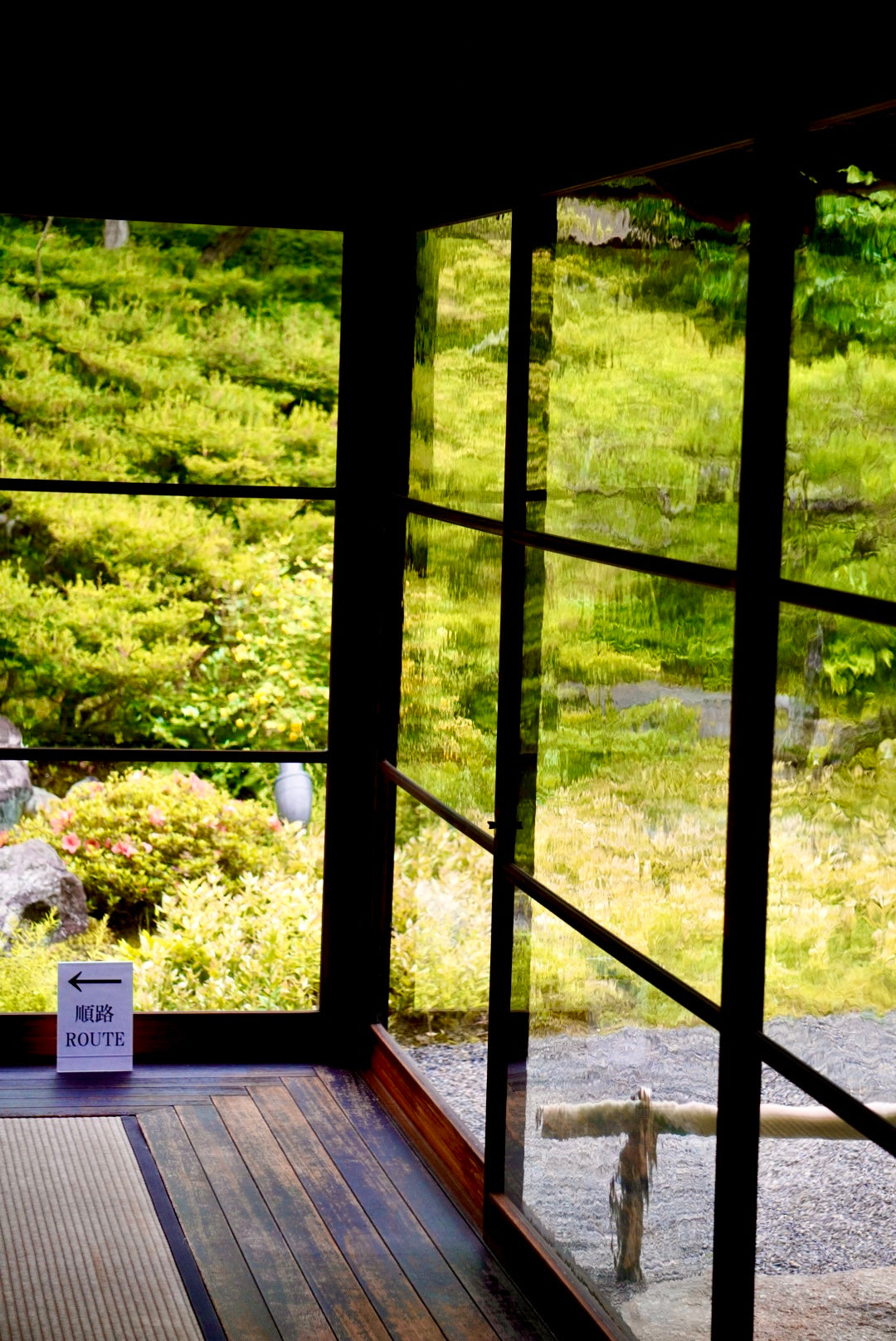
A contemplative garden meant to be viewed for a specific vantage point. You will lean why the specific point was chosen and, depending on the garden enjoy matcha and sweets while gazing.

11:30 AM
2nd Garden
We will then drive to the next location, a dry landscape garden (枯山水 karesansui), where raked sand or gravel often represents a element of water, such as waves, ripples, or currents. They are symbolic gardens of oceans or rivers that invites contemplation and meditation without actual water.

13:15
Lunch
We will re-charge with lunch.

2PM
After a lunch break, we will travel to the fourth garden, well known for shakkei (借景), or using the surrounding landscape not merely as a background, but as an important element in the design of the garden.
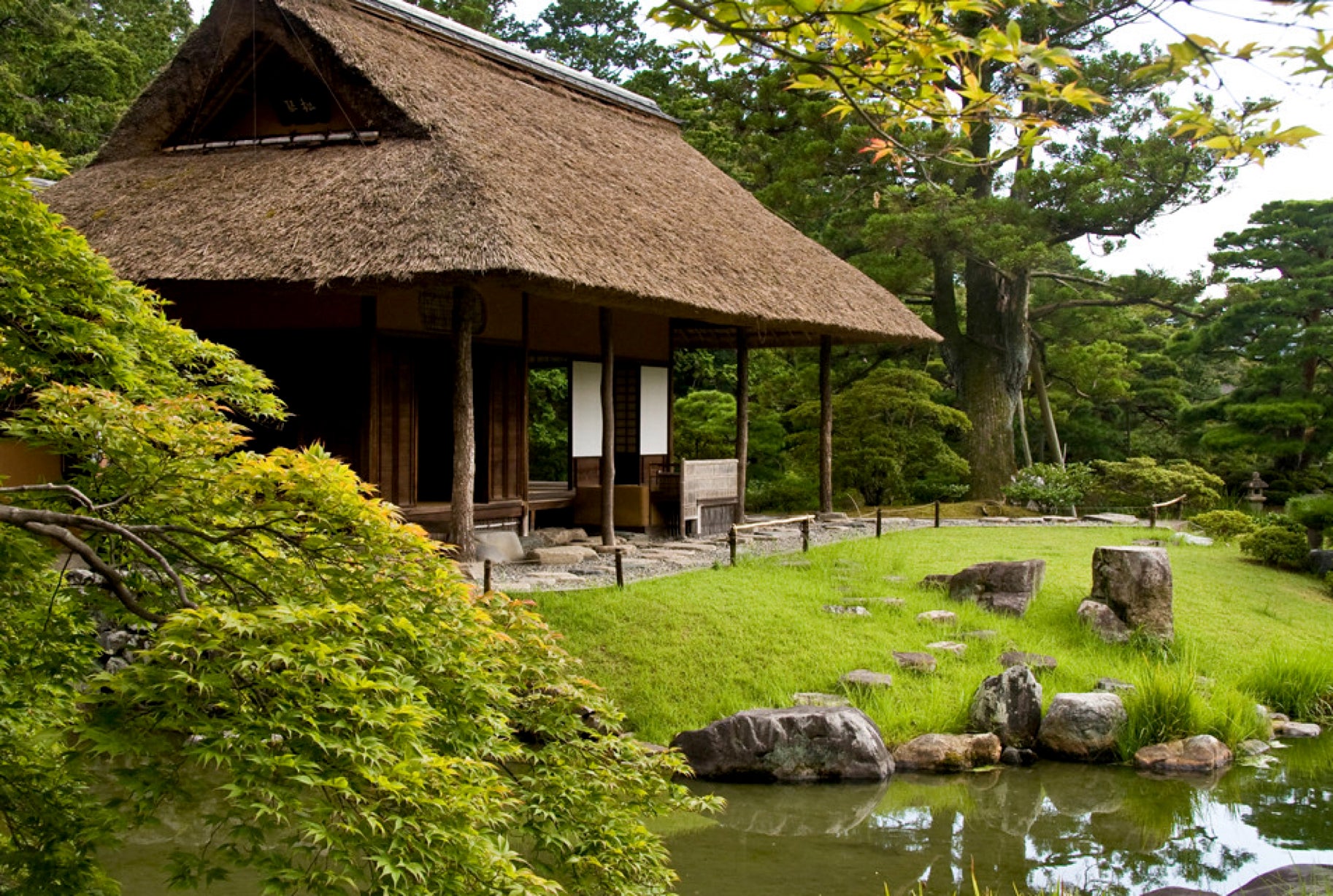
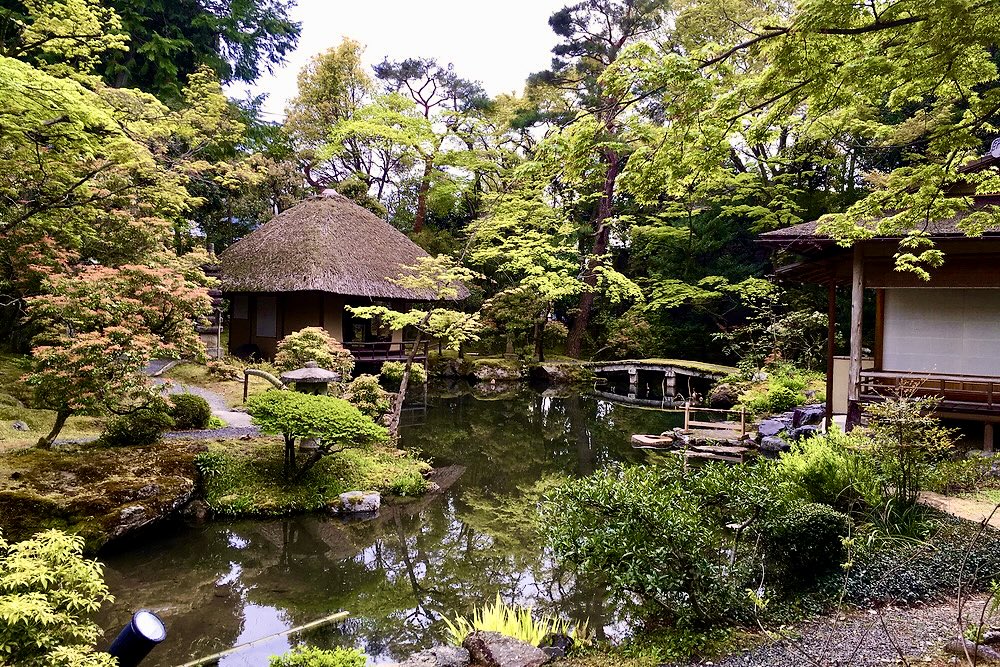
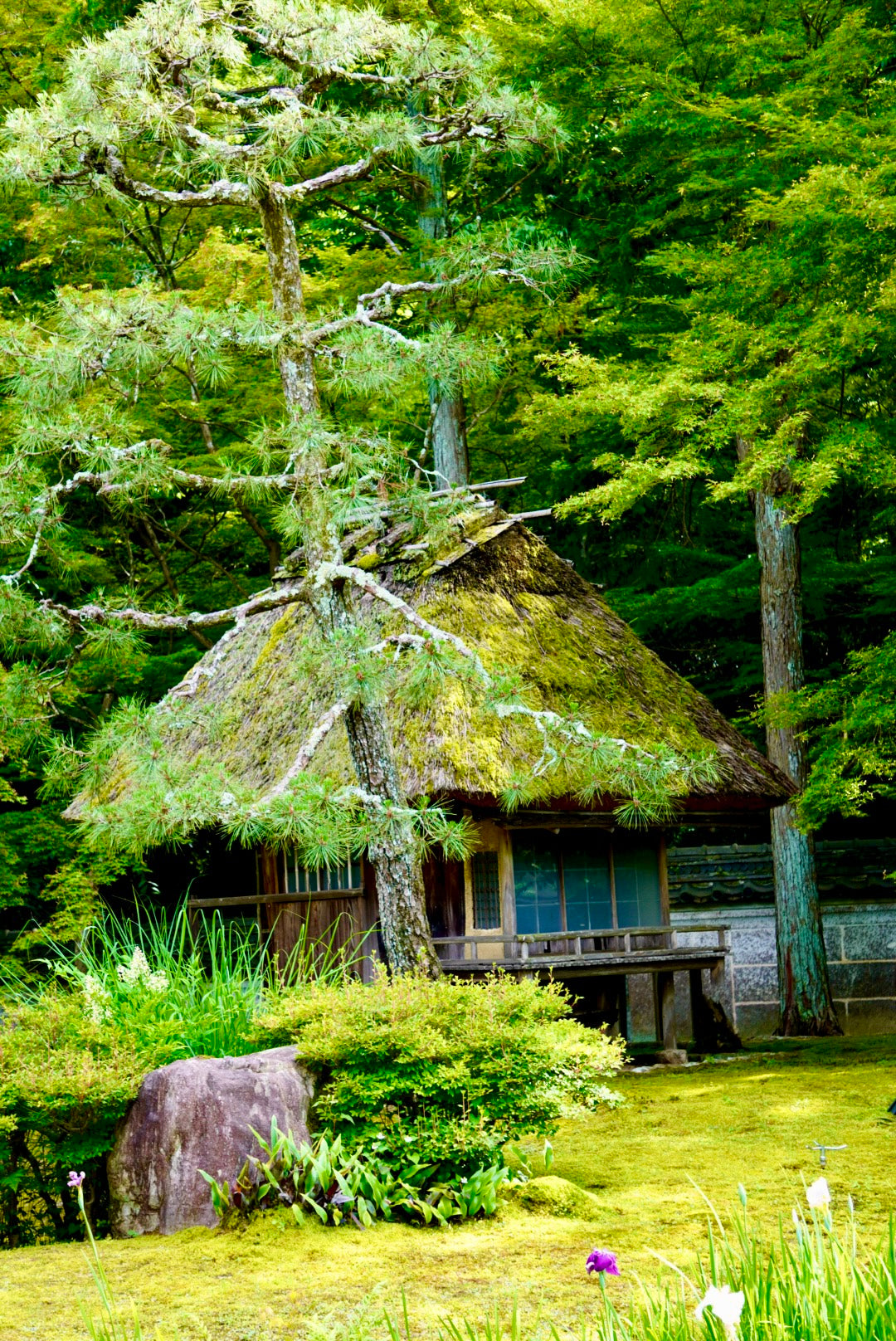
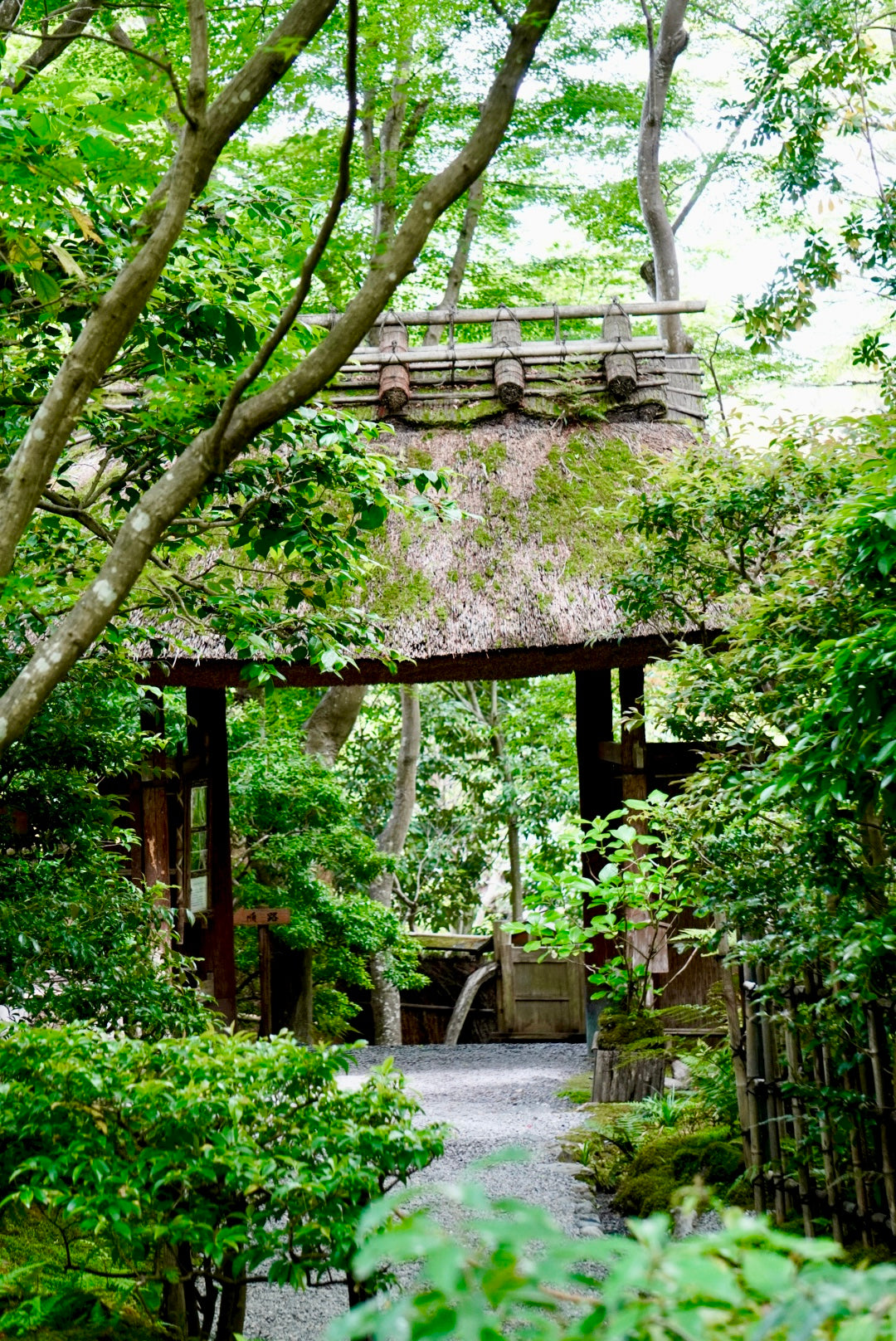
A haven for deep thinkers, our next stop is a quant garden with an impressive array of botanical species and a thatched roof tea house.

14:30
4th Garden
Once a vast wasteland, this garden was meticulously created over a 30 year span by a well known kabuki actor as a summer cottage garden.
Pairs Well With



Riverside Picnic
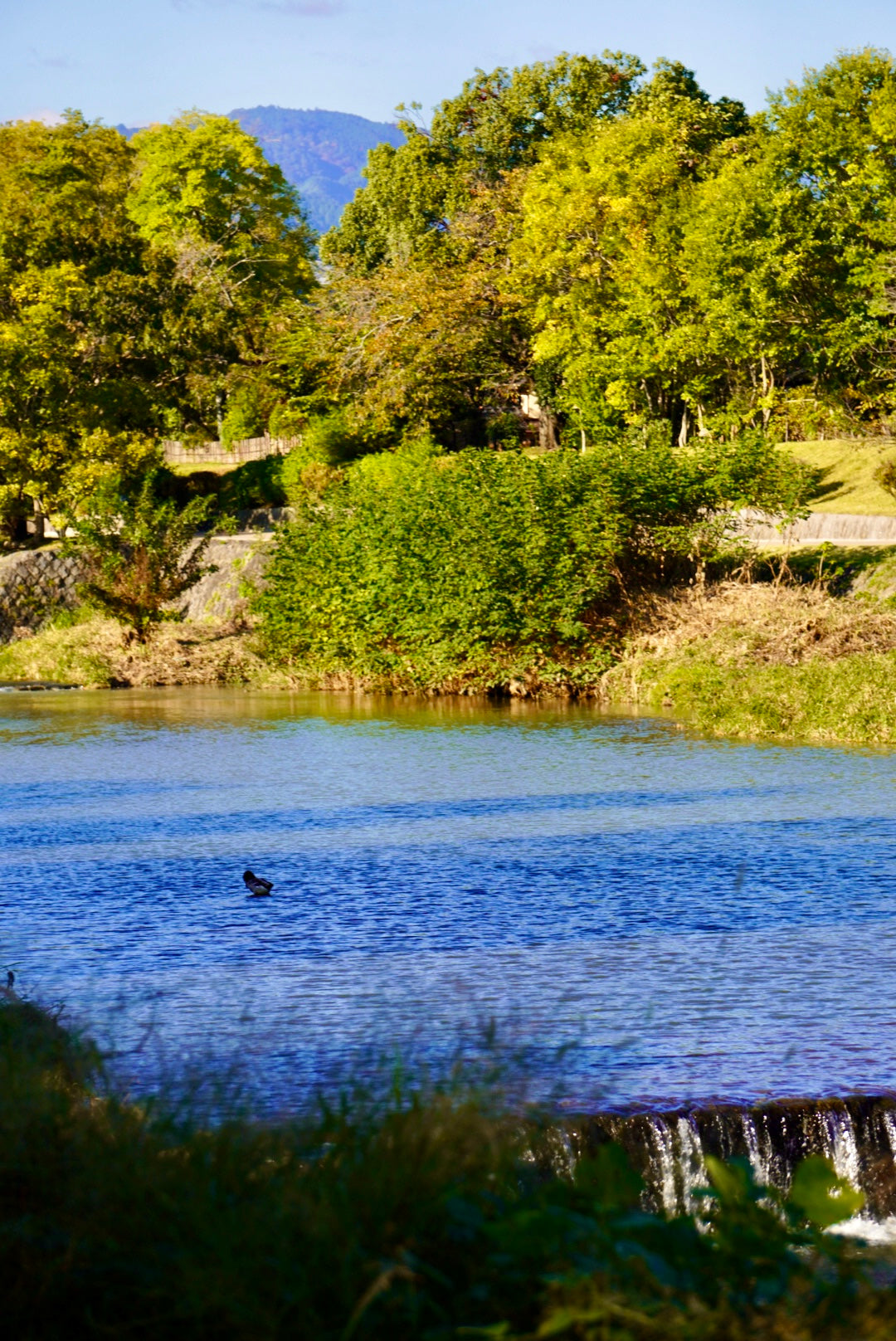
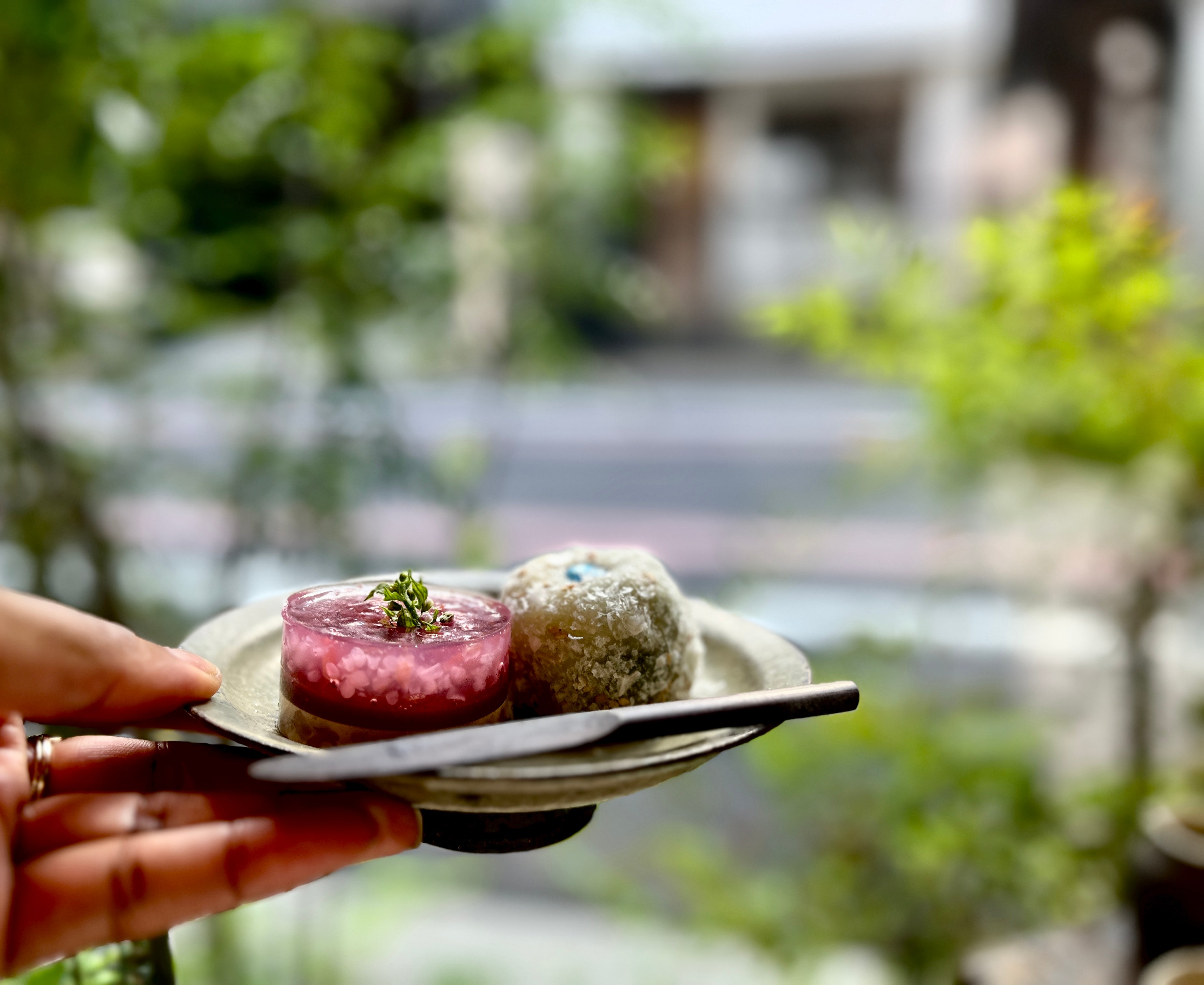
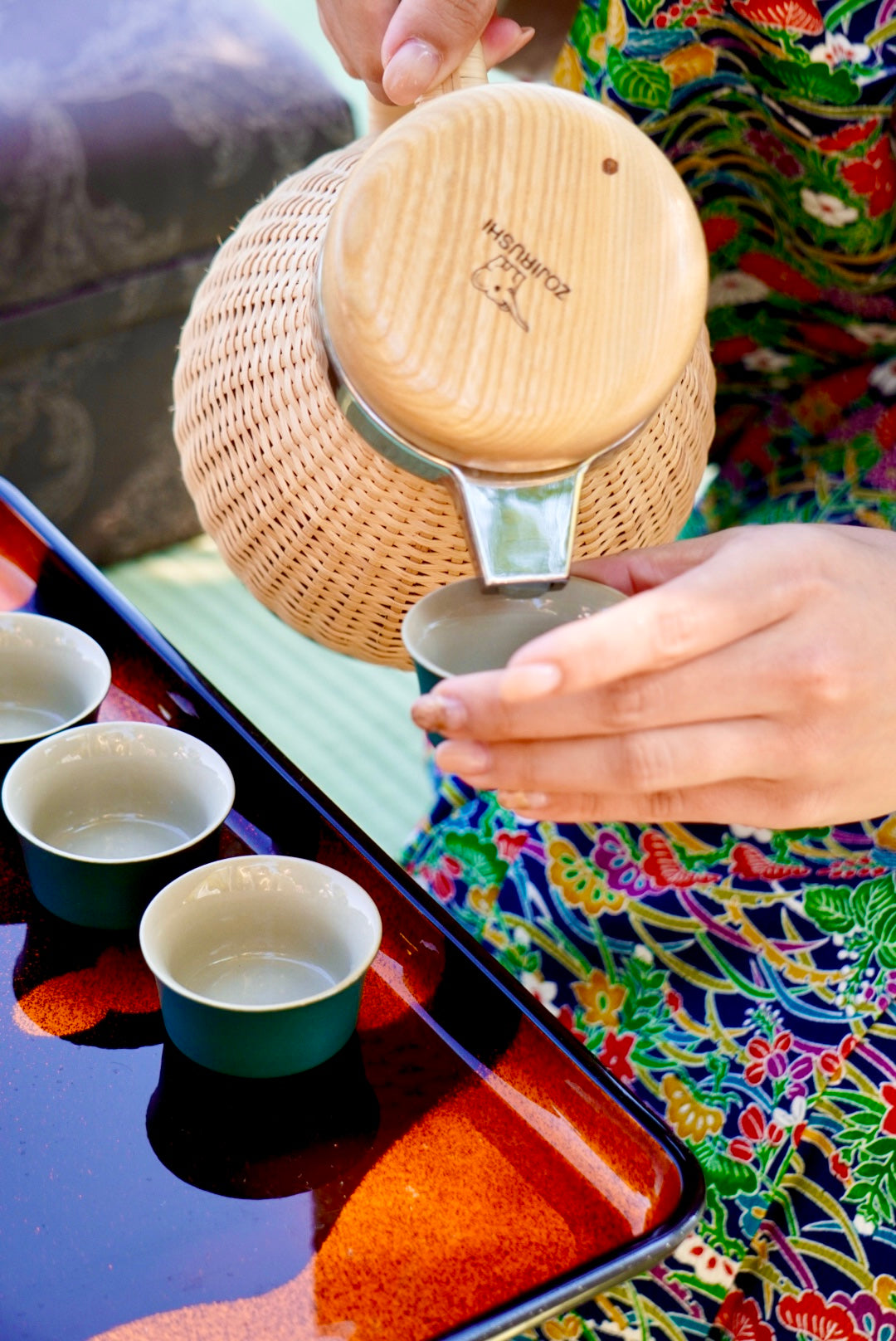
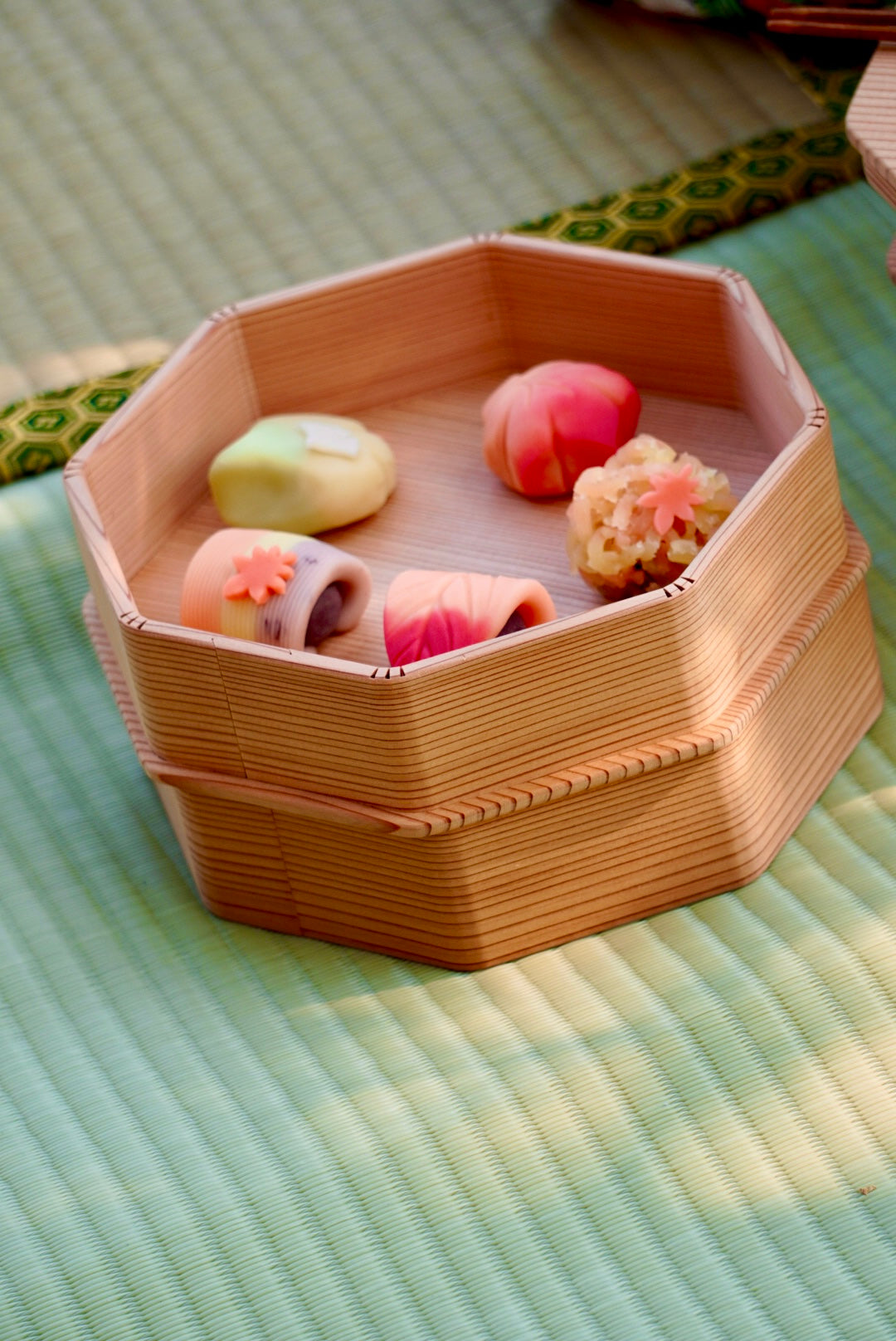
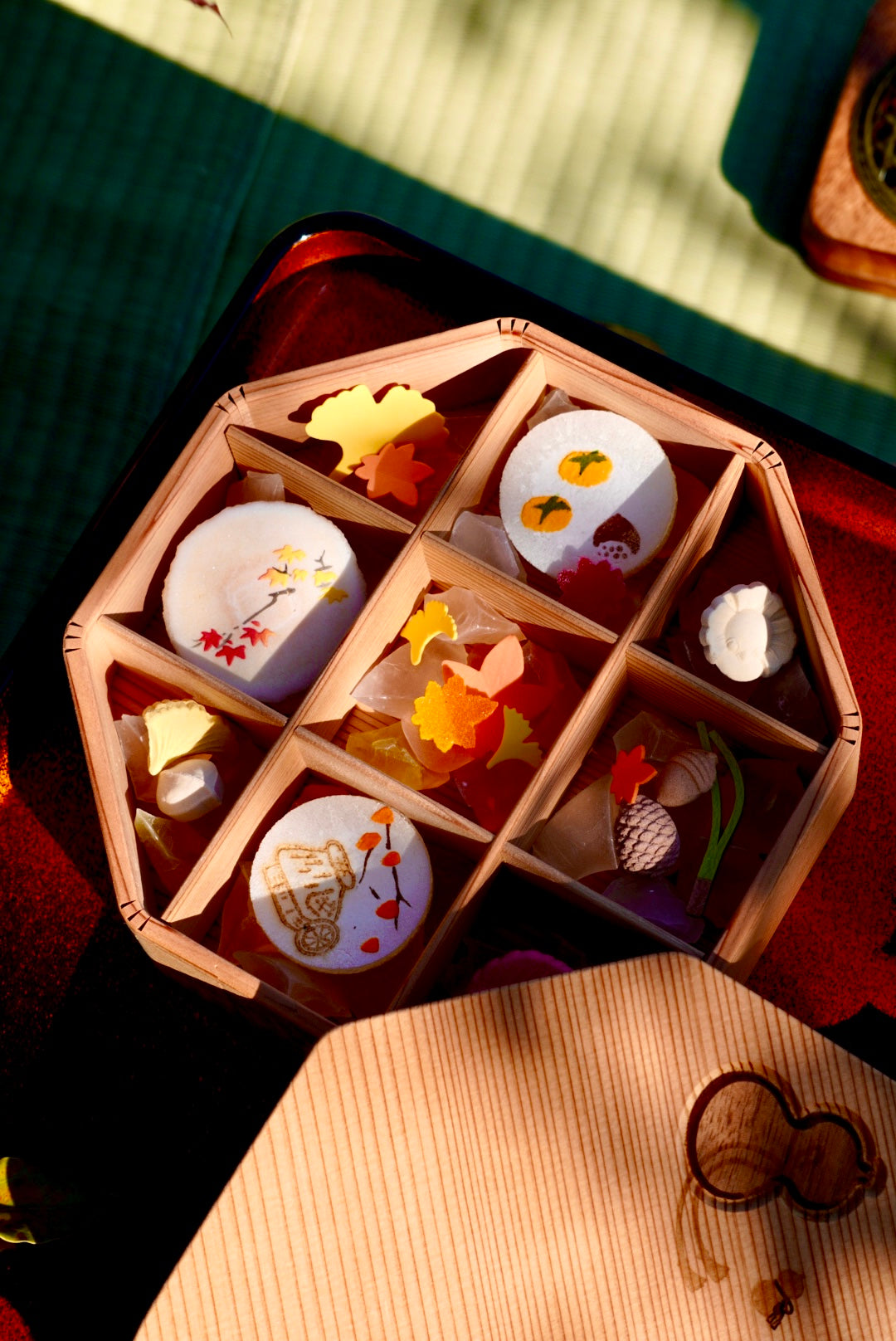
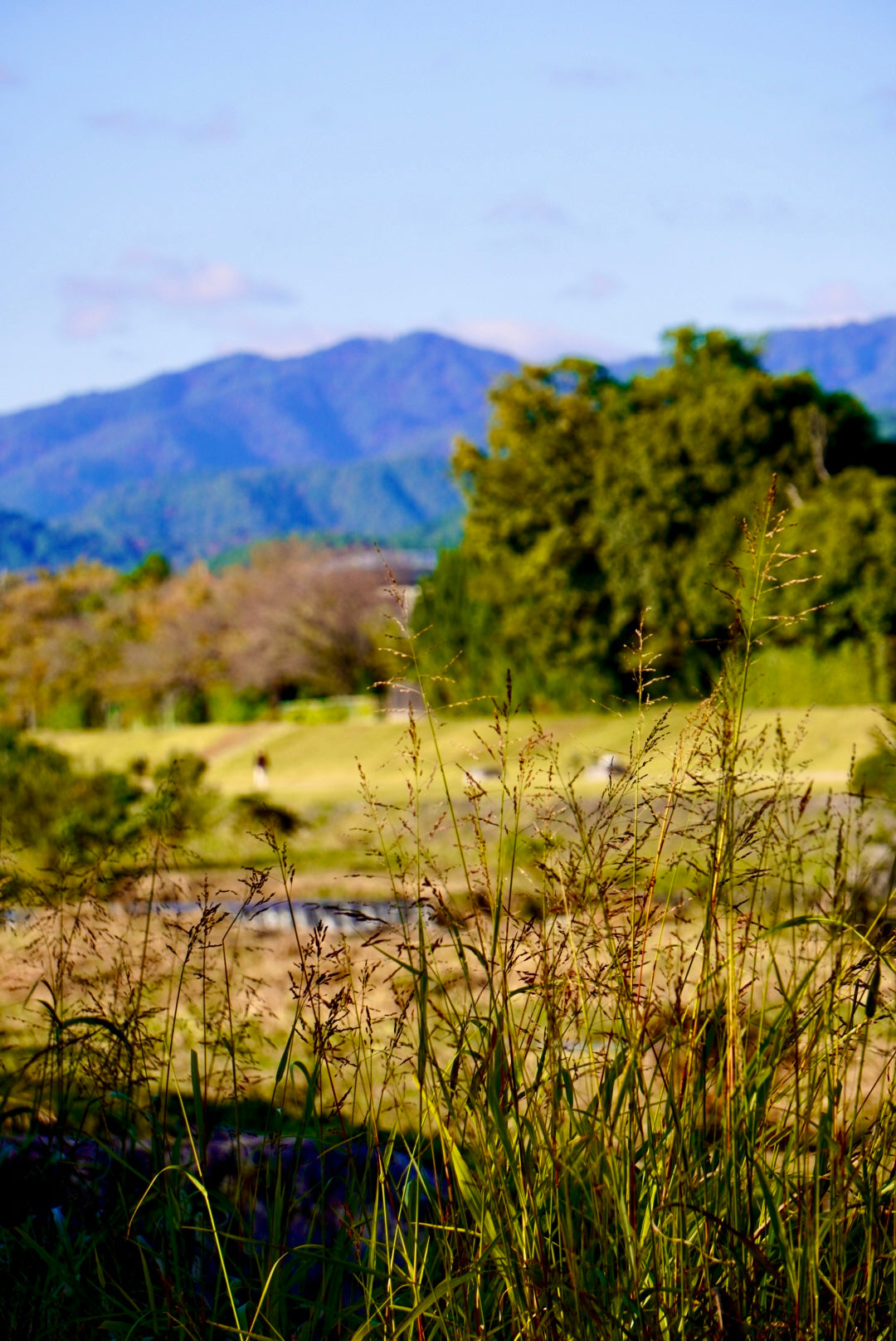
As the ducks and herons play along the calm riverbanks, enjoy good food in a serene, riverside setting. We will take care of the setting and clean-up, allowing you to enjoy the river that flows through central Kyoto.
Savor the moment. Enjoy a boxed lunch picnic or Japanese sweets by the riverside.