




Tea Garden Tour
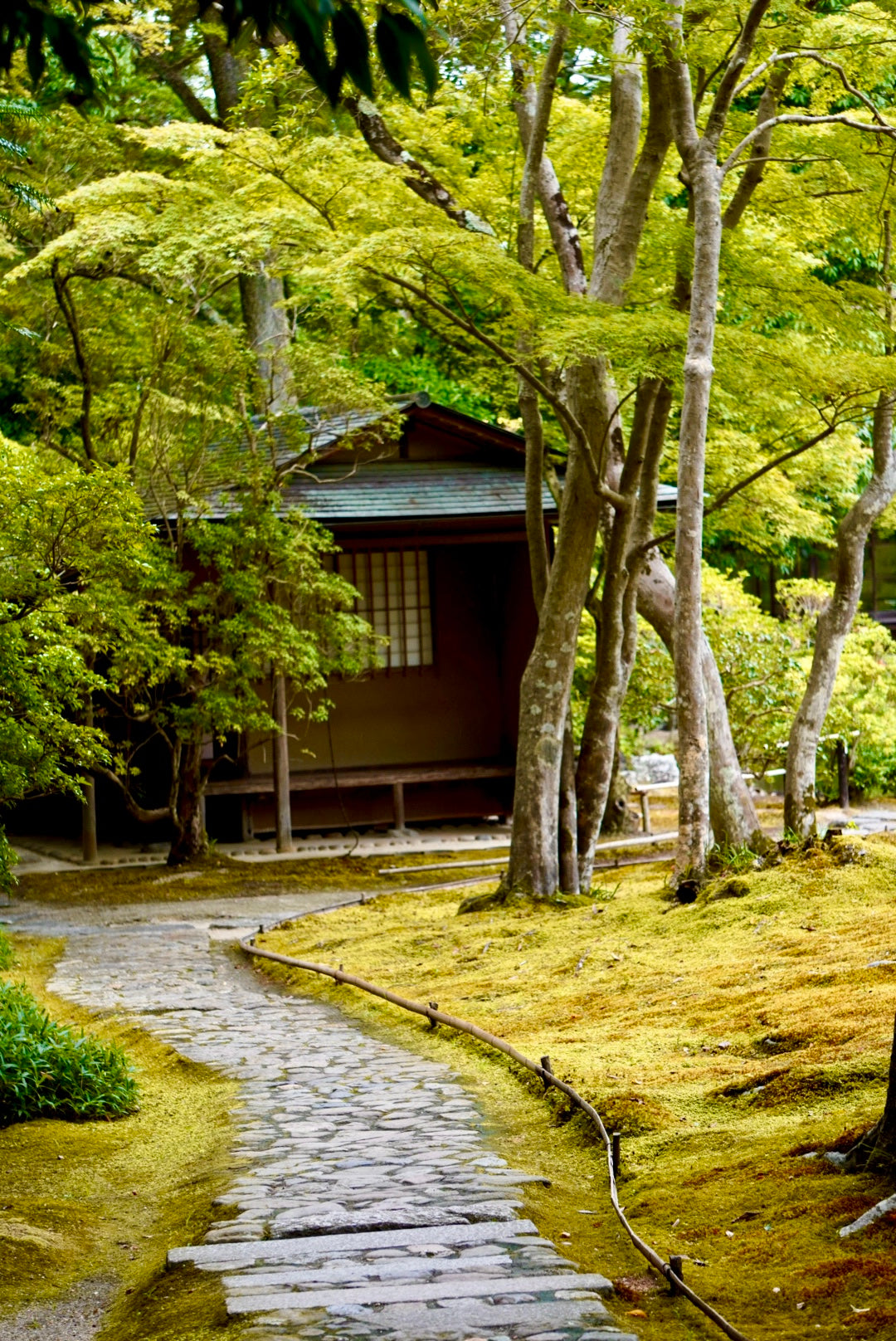
Born of a single purpose: to provide a pathway leading to the tea room.
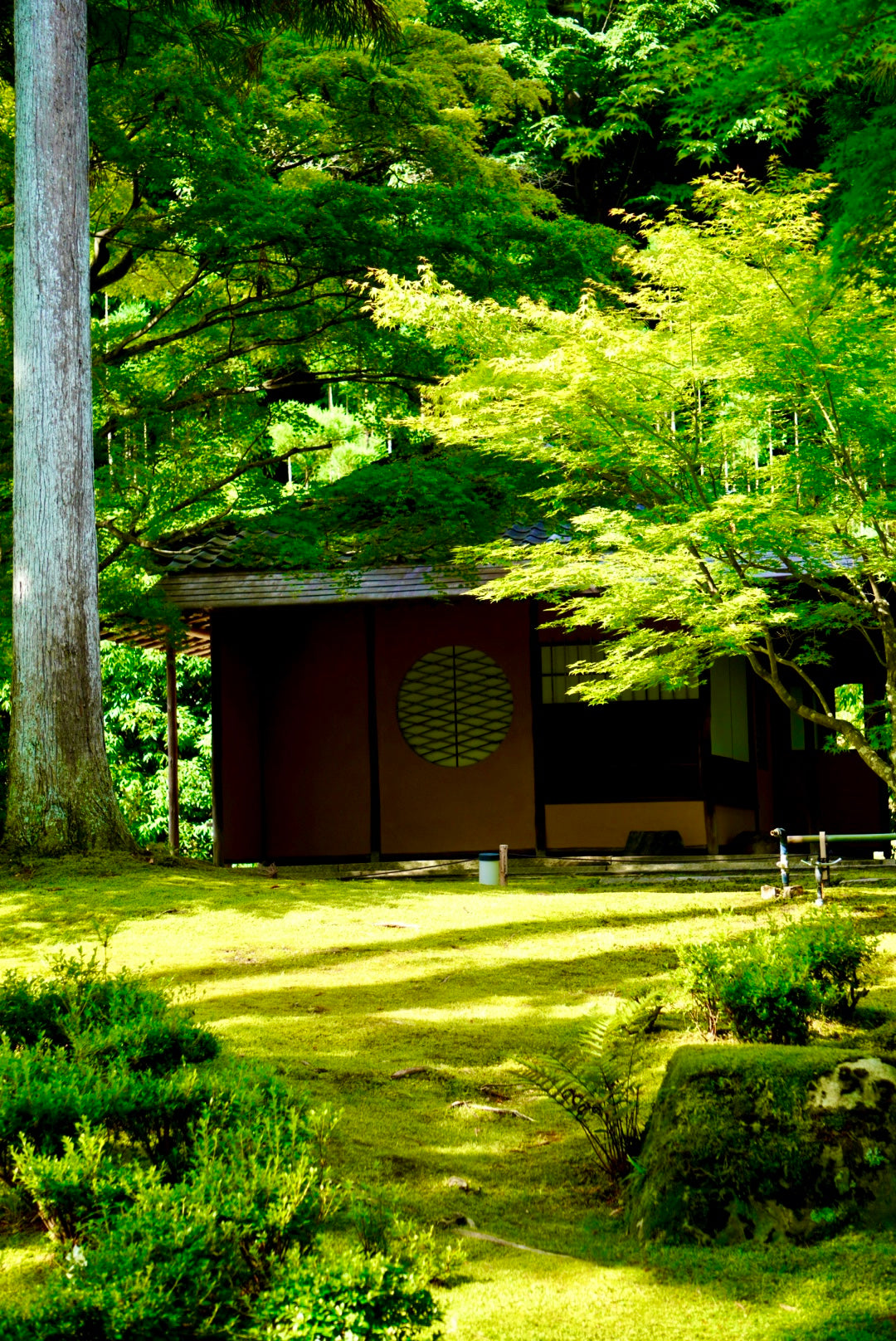
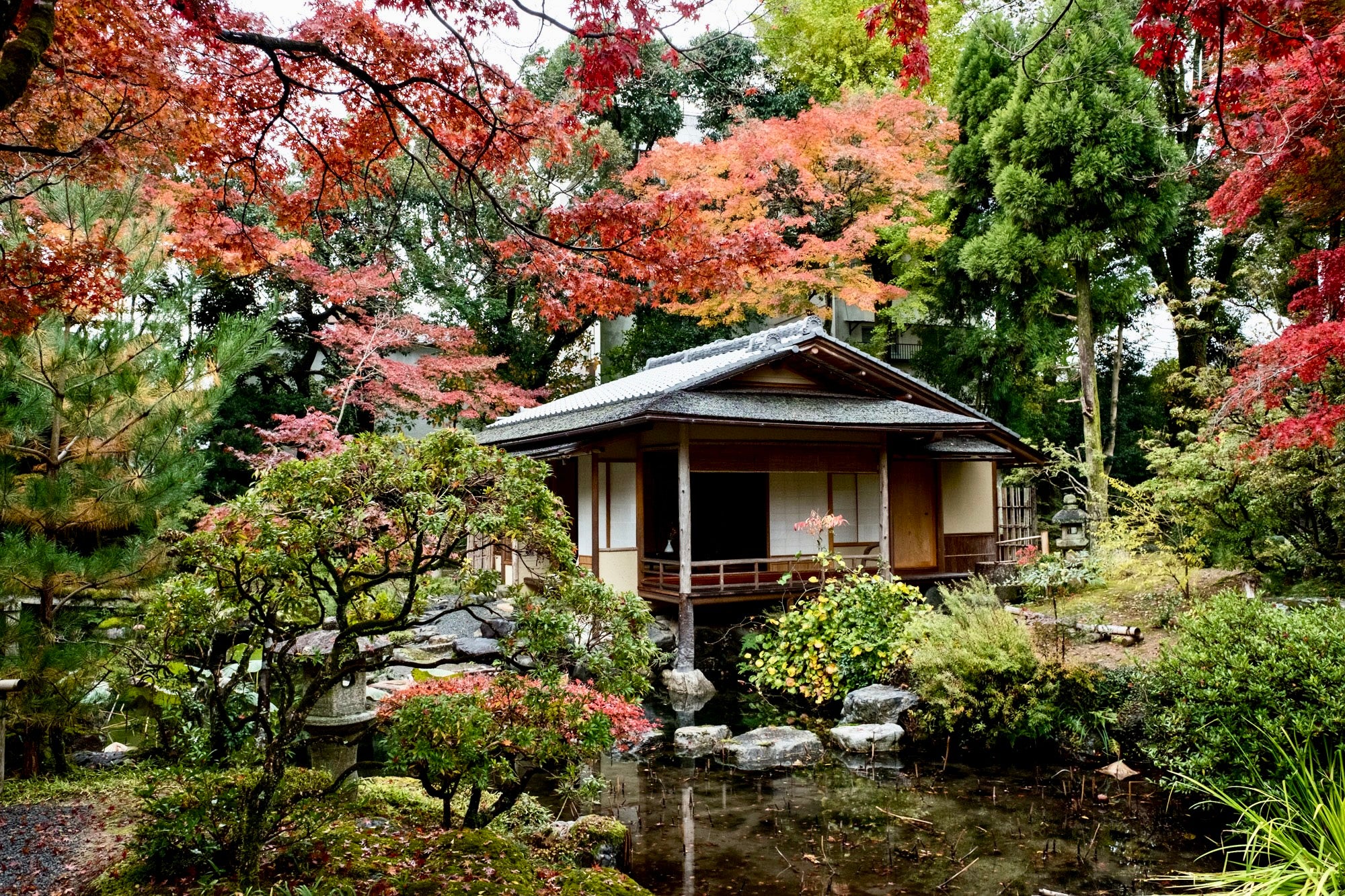
The tea garden, or roji in Japanese has been embraced since the 16th century as a means of differentiating the world of tea from everyday life by offering a place to withdraw and discover.
In this tour, we will explore spaces designed intentionally to bring a sense of calm and presence by visiting several of Kyoto’s notable tea gardens.
What You'll Do
As you transition from the outside world into the inner sanctuary of the gardens, you will learn about the distinct design elements of each garden, proper etiquette when visiting, how they are maintained, how they have changed ownership, as well as insights into the neighbourhoods in which they are located.
What's Included
Tea garden entry fees
What's Not Included
Transportation Fees
Getting To & Fro:
We will walk and take public transportation; Alternatively, a taxi can be arranged at participant expense.
Guest Requirements
Guests are required to behave in a civil and respectable manner.
Activity Level
Moderate
This is a walking tour led at a steady, leisurely pace with periods of standing and opportunities for rest.
Terrain: A mix of flat and uneven surfaces; Some stone paths and gentle inclines. Flat, comfortable and secure shoes recommended.
Recommended Fitness: Ability to walk moderate distances and stand for periods of time without assistance.
Accessibility Level
Accessibility Level: Fair to Challenging
☆ Many gardens at street level
☆ Uneven surfaces
☆ Cobblestone paths
Wheelchair Accessibility: Can be challenging
☆ Inform Concierge as best visited with assistance
☆ Smaller establishments may not have wheelchair accessible seating or restrooms
Public Transportation:
Most buses and trains are accessible with ramps or lifts. Some older metro stations may have limited wheelchair access.
Taxis:
Wheelchair accessible taxis are available but must be booked in advance. Regular taxis may not accommodate wheelchairs.
How To Order
1: Adjust the quantity to match the number of tour attendees. For example, if four people are attending, then the quantity should be set to 4.
2: Select desired date.
3: Add tour to cart.
4: Add any additional Add-ons.
5: Check out to complete reservation. Our Concierge will contact you shortly; You will only be charged when tour details are confirmed.
Cancellation Policy
16 Days or More Prior To Tour or Experience Start Date: No Cancellation Fee Levied; 100% of Order Amount Returned
15 days to 11 days Prior To Tour or Experience Start Date: 40% of Order Amount Reserved As Cancellation Fee; 60% of Order Amount Returned
10 days to 6 days Prior To Tour or Experience Start Date: 80% of Order Amount Reserved As Cancellation Fee; 20% of Order Amount Returned
5 Days or Less Prior To Tour or Experience Start Date: 100% of Order Amount Reserved As Cancellation Fee; 0% of Order Amount Returned
For more details, reference our Cancellation & Refund Policy.
Pairs well with
Select quantity (number of participants), date and time prior to adding to cart. The date and time is selectable from the "Select Date" button.
Tea Garden Tour
If you have any questions, you are always welcome to contact us. We'll get back to you as soon as possible, within 24 hours on weekdays.
-
Customer Support
Use this text to answer questions in as much detail as possible for your customers.
-
FAQ’s
Use this text to answer questions in as much detail as possible for your customers.
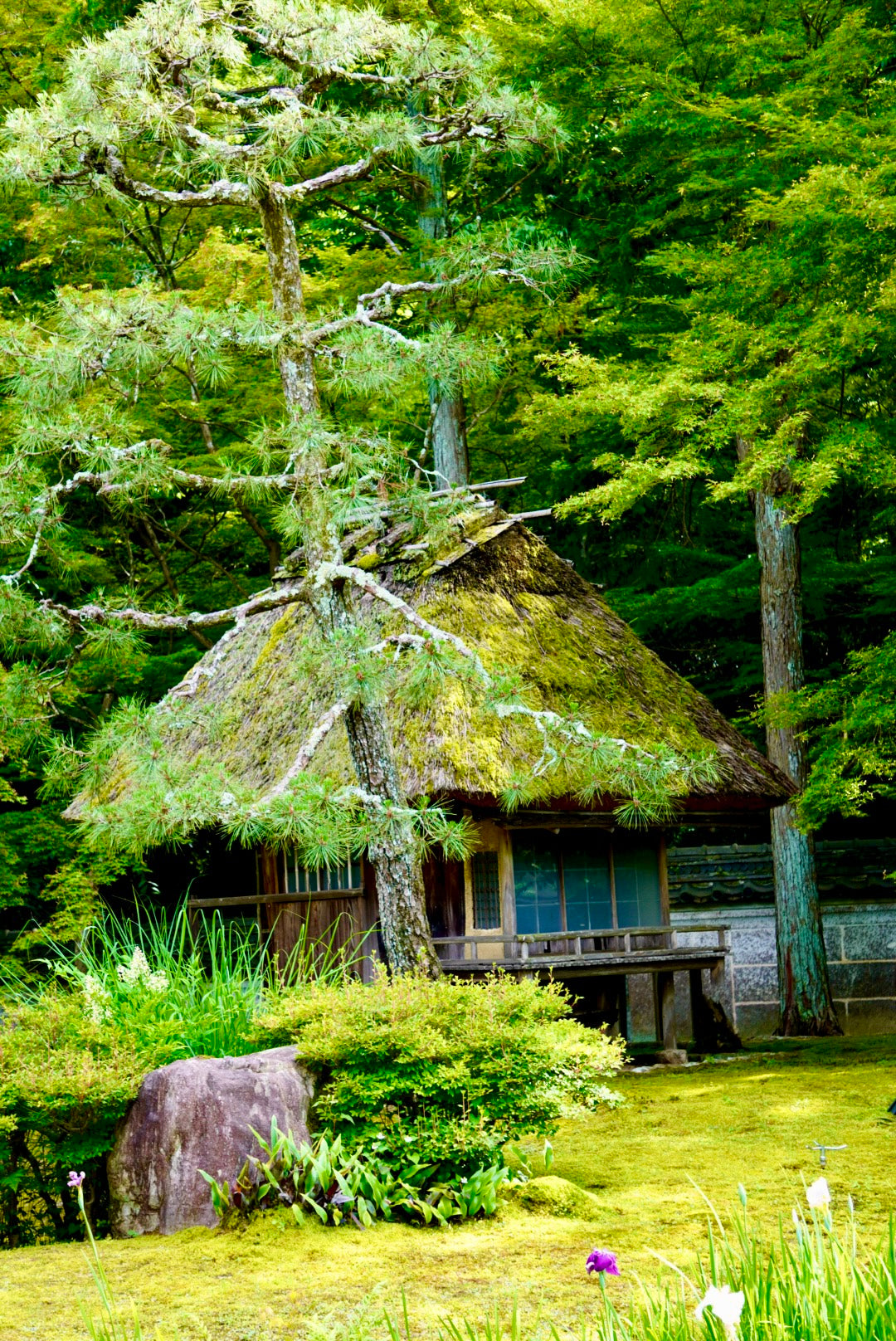
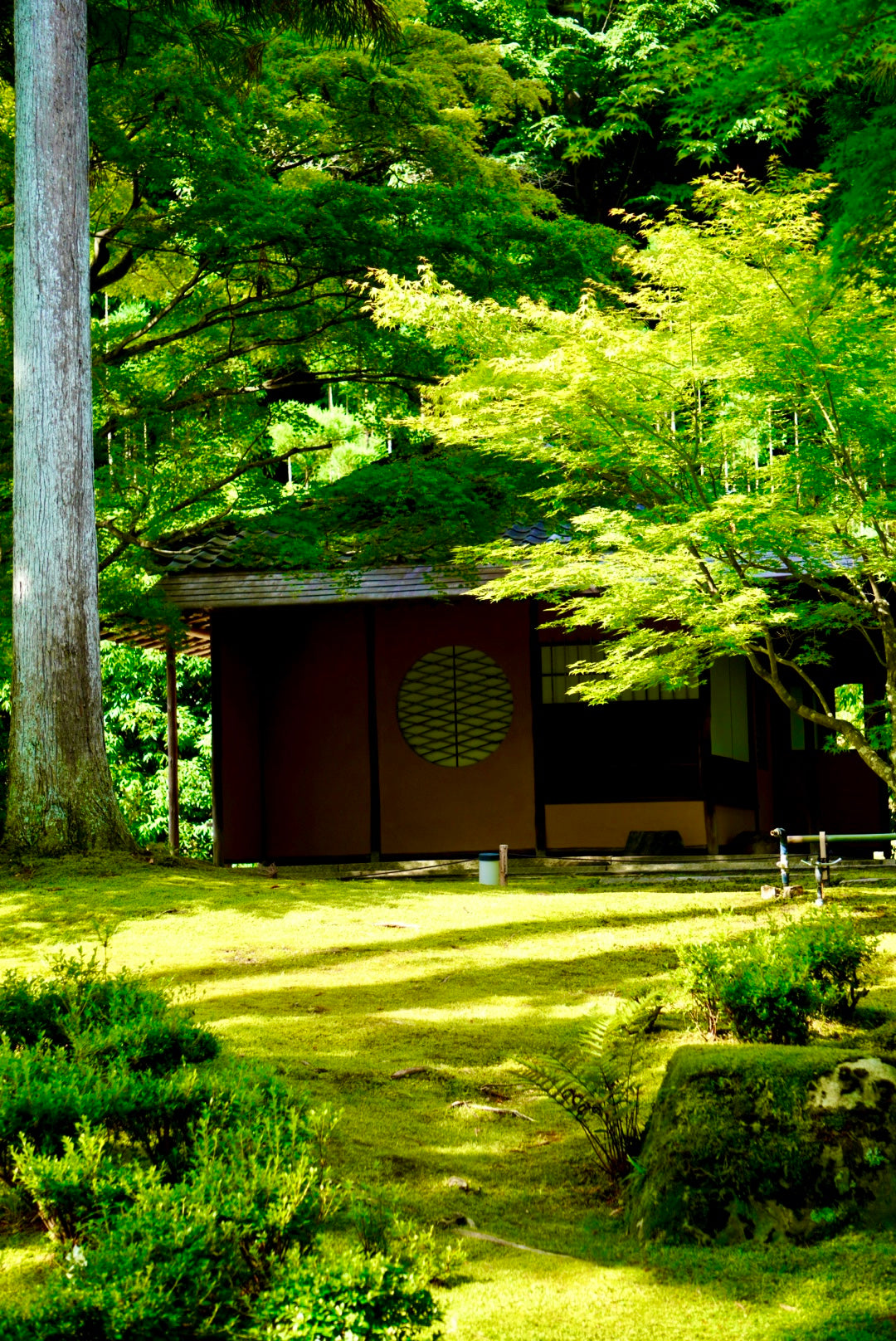
Impermanence Perfected
What tea brought to the Japanese gardening tradition was the concept of the garden as a process. It never begins, is never finished, perpetually changes and shall never return to what it was. Let us visit the gardens today, as they will never be quite the same.

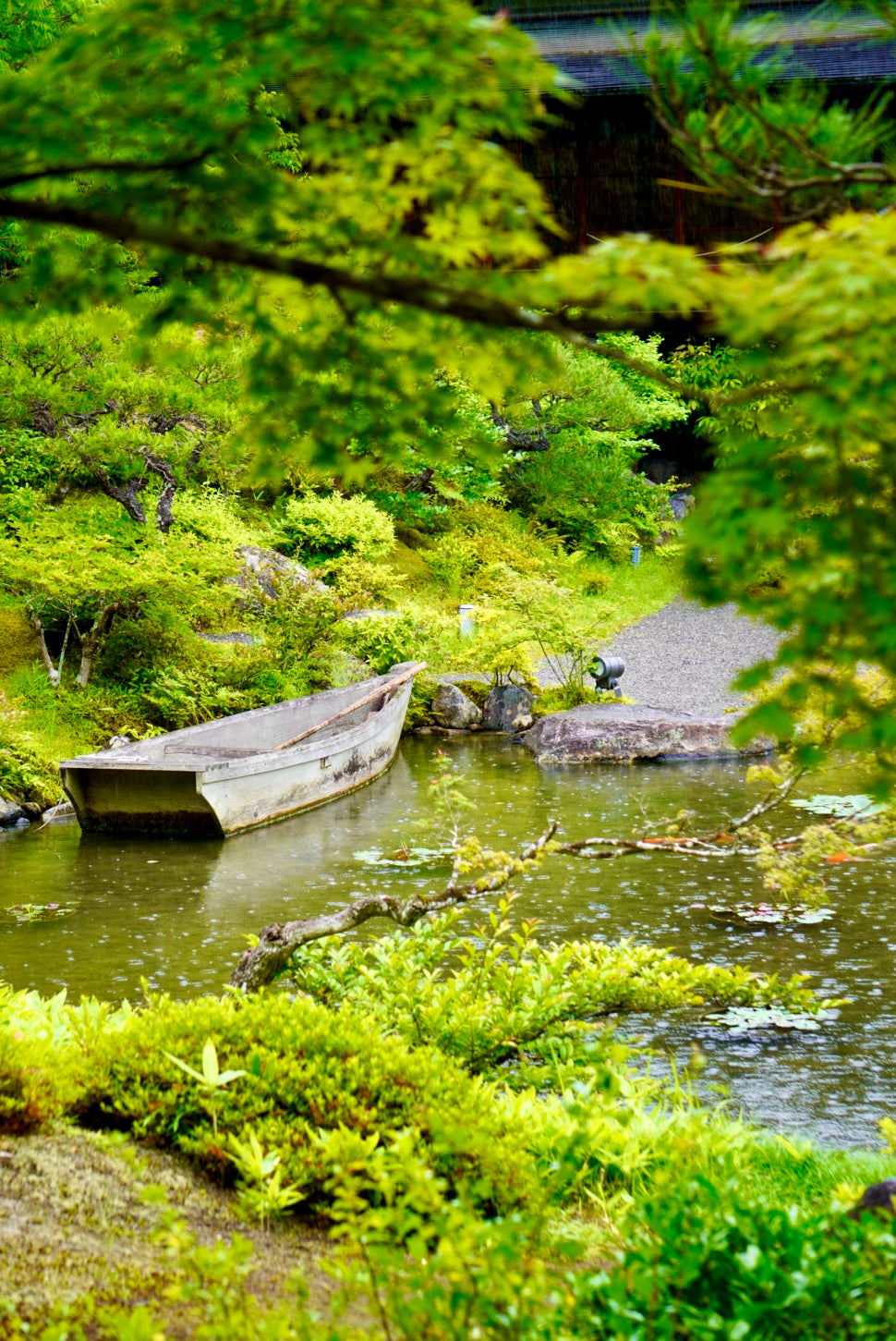
Scenic Movements
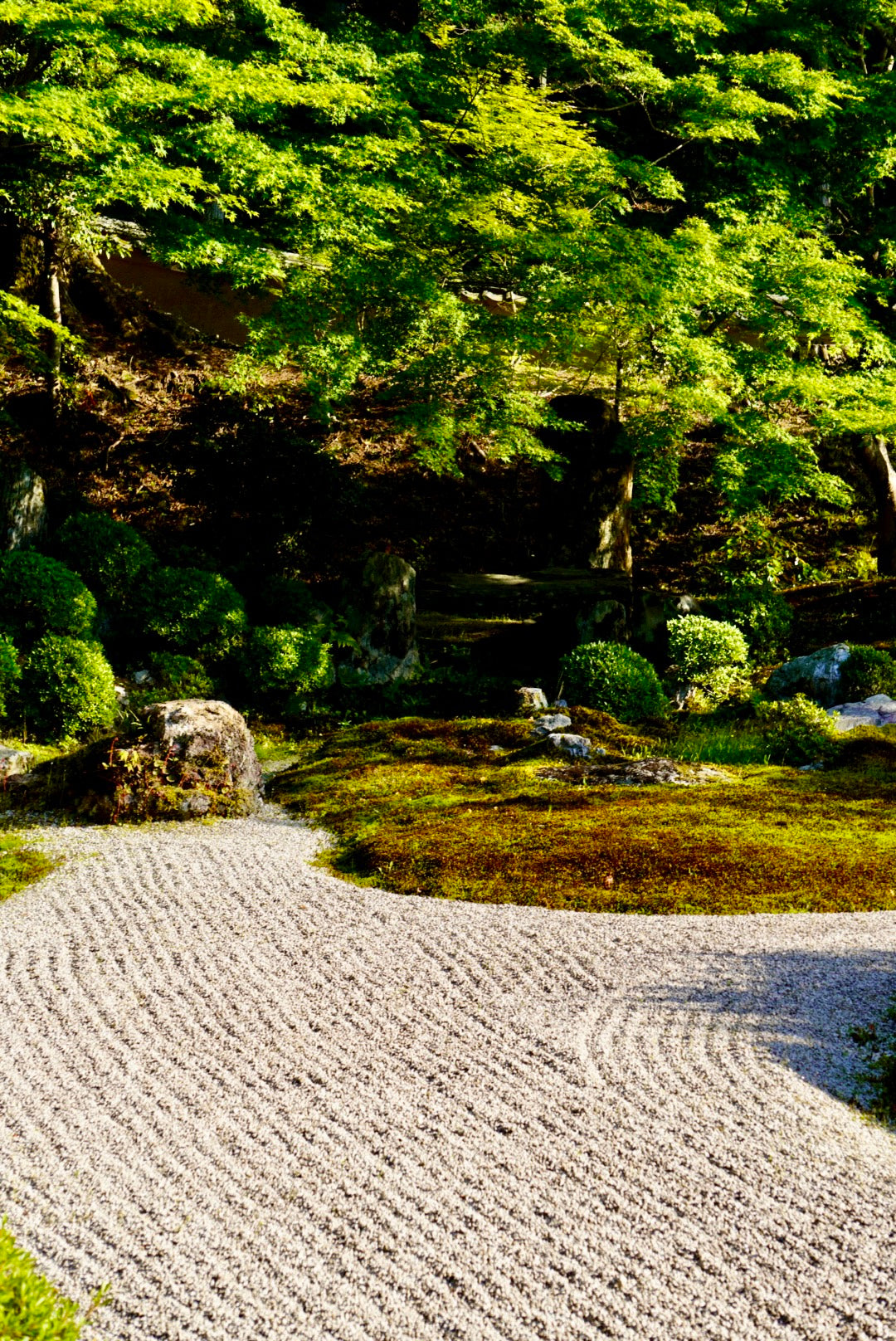
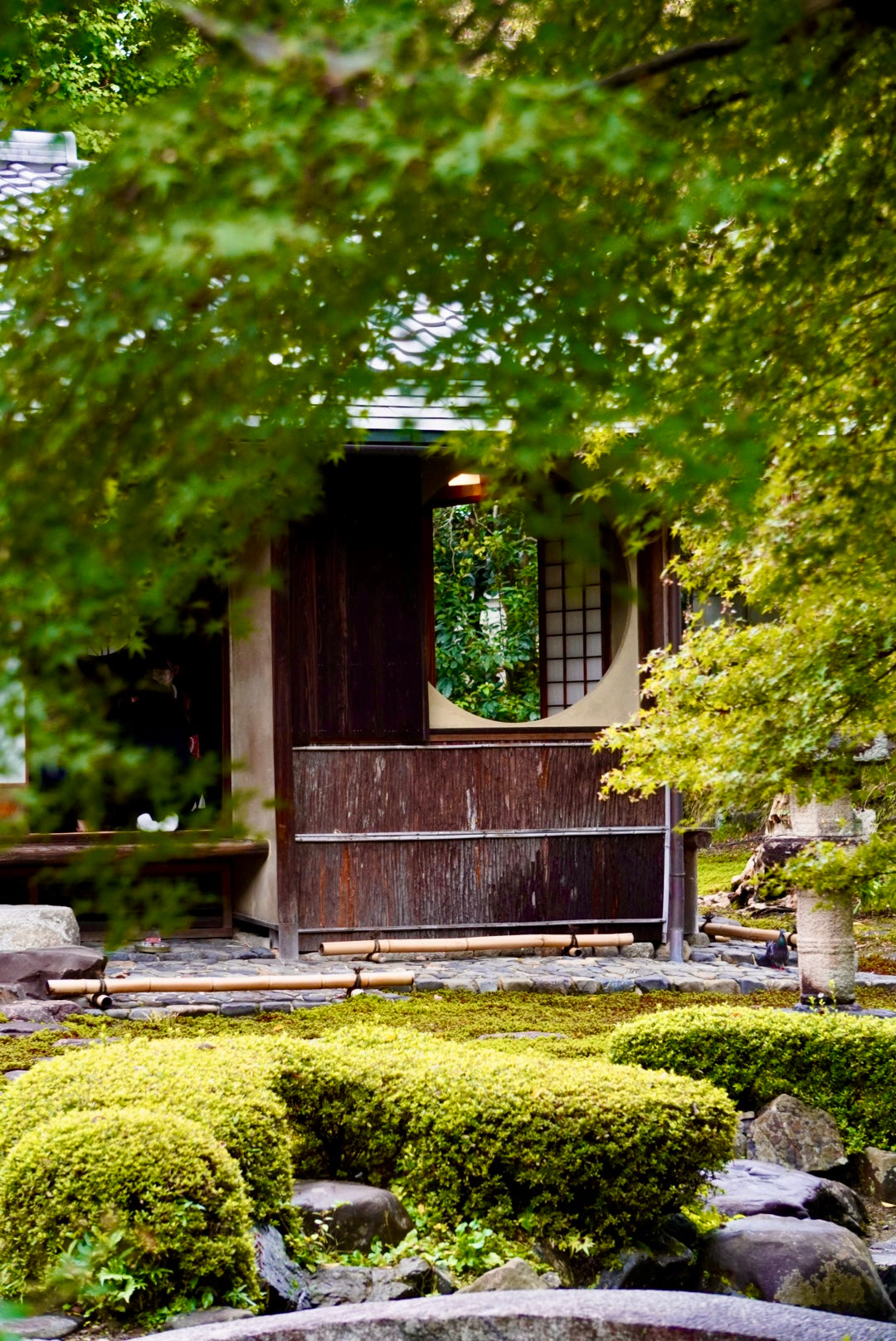
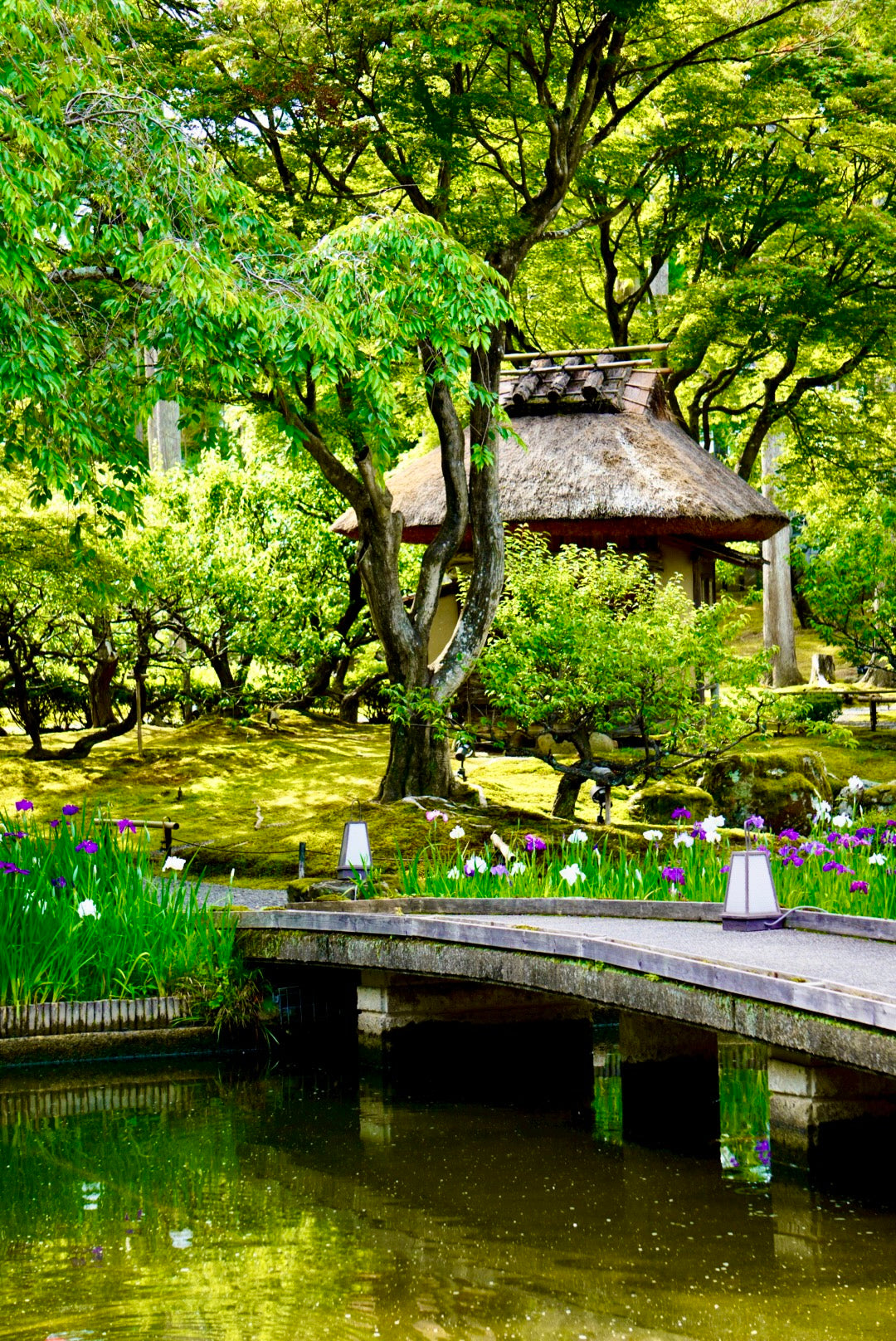
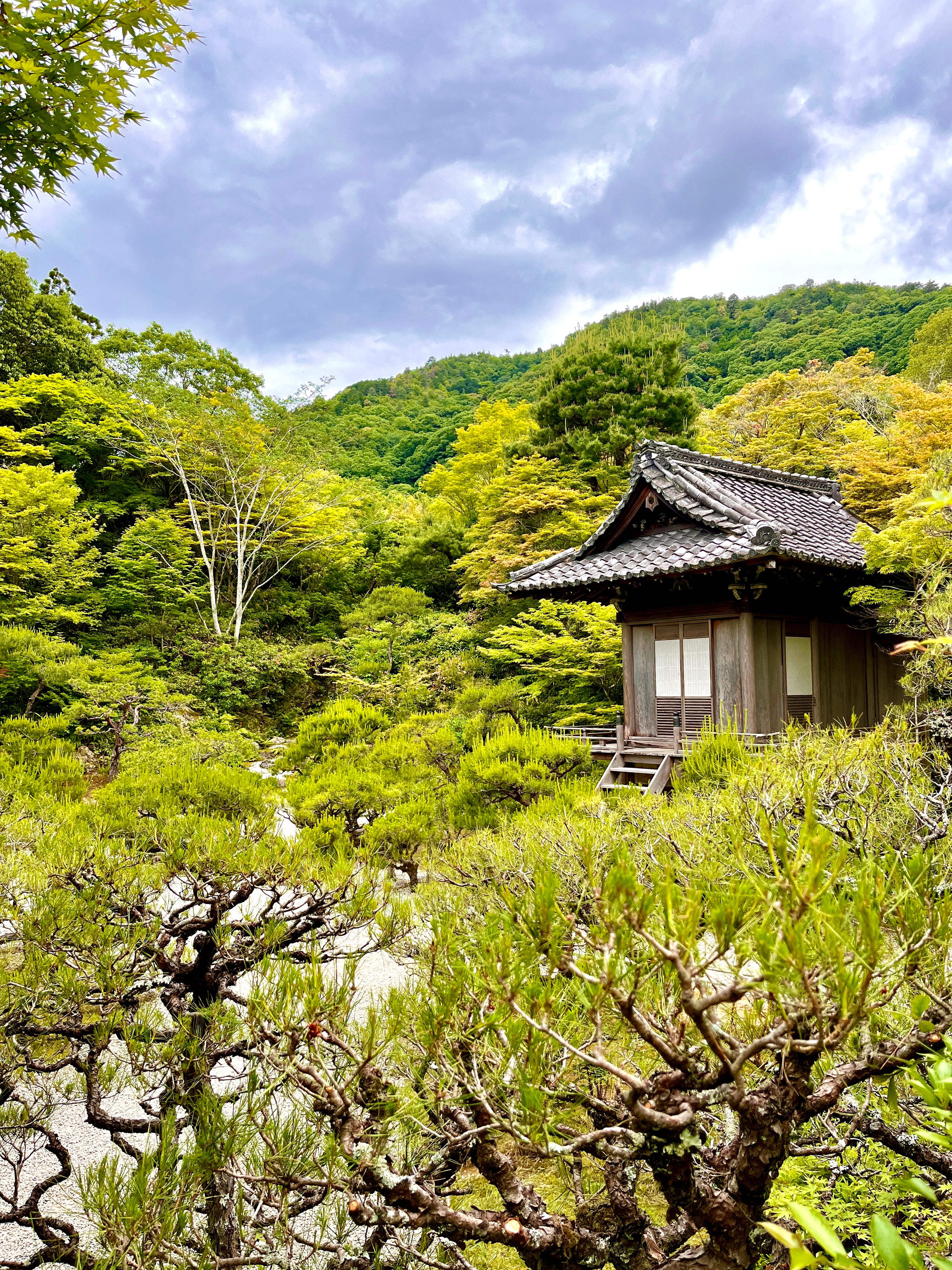
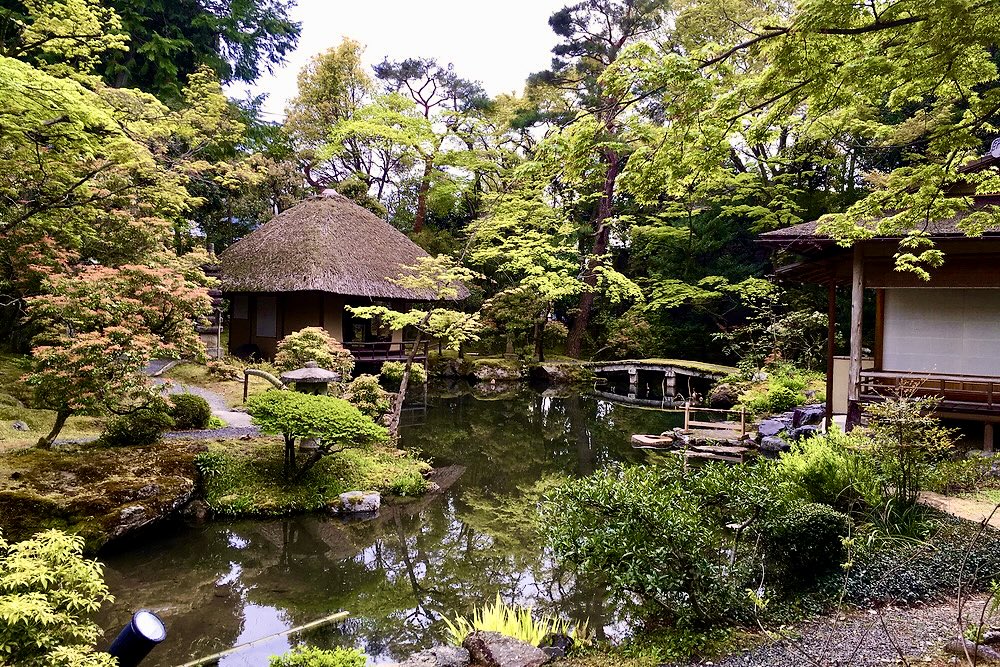
Bamboo gates, vibrant moss, manicured trees and stepping stones are perfectly coordinated to beautifully guide visitors to their destination.
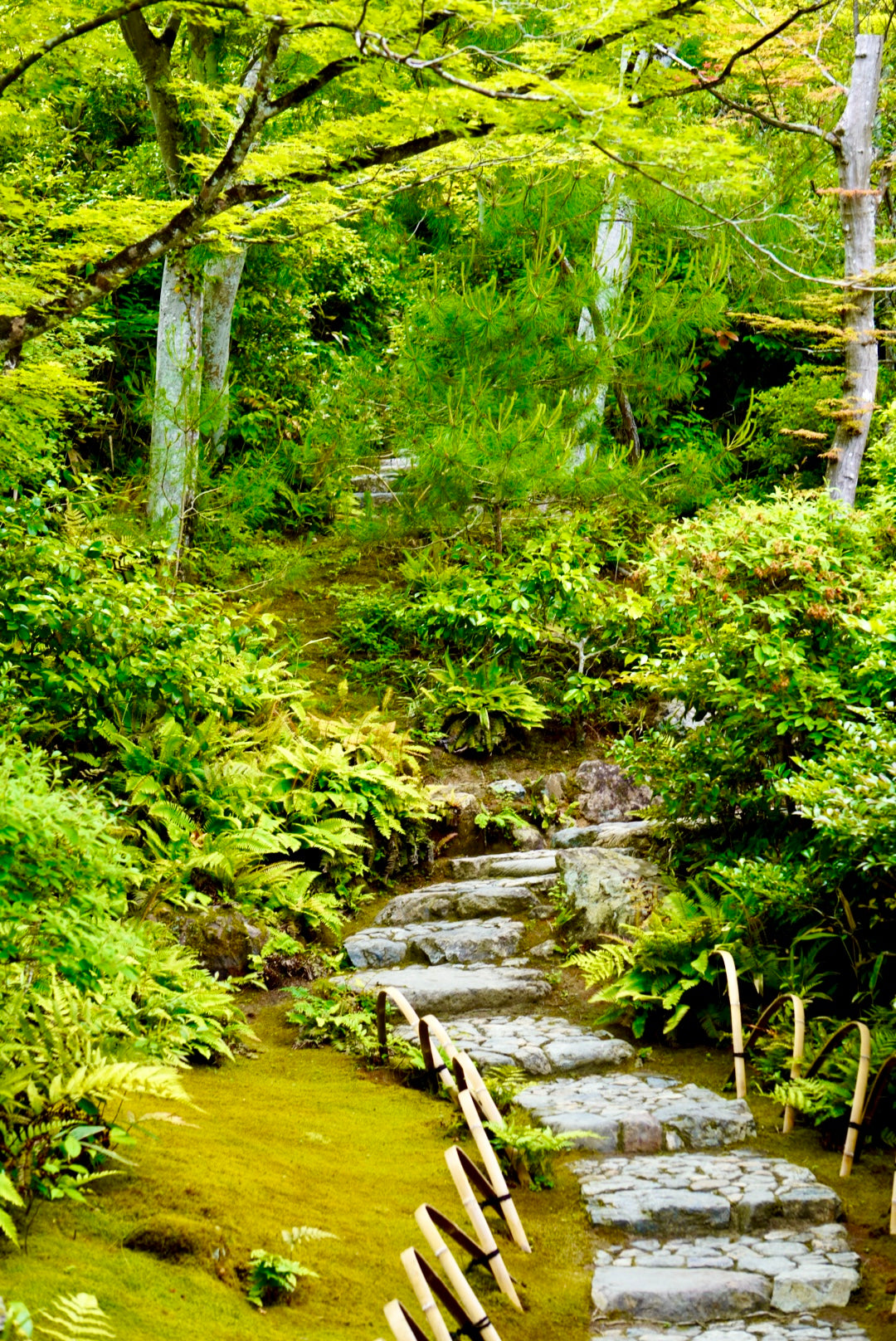
Focus & Transition
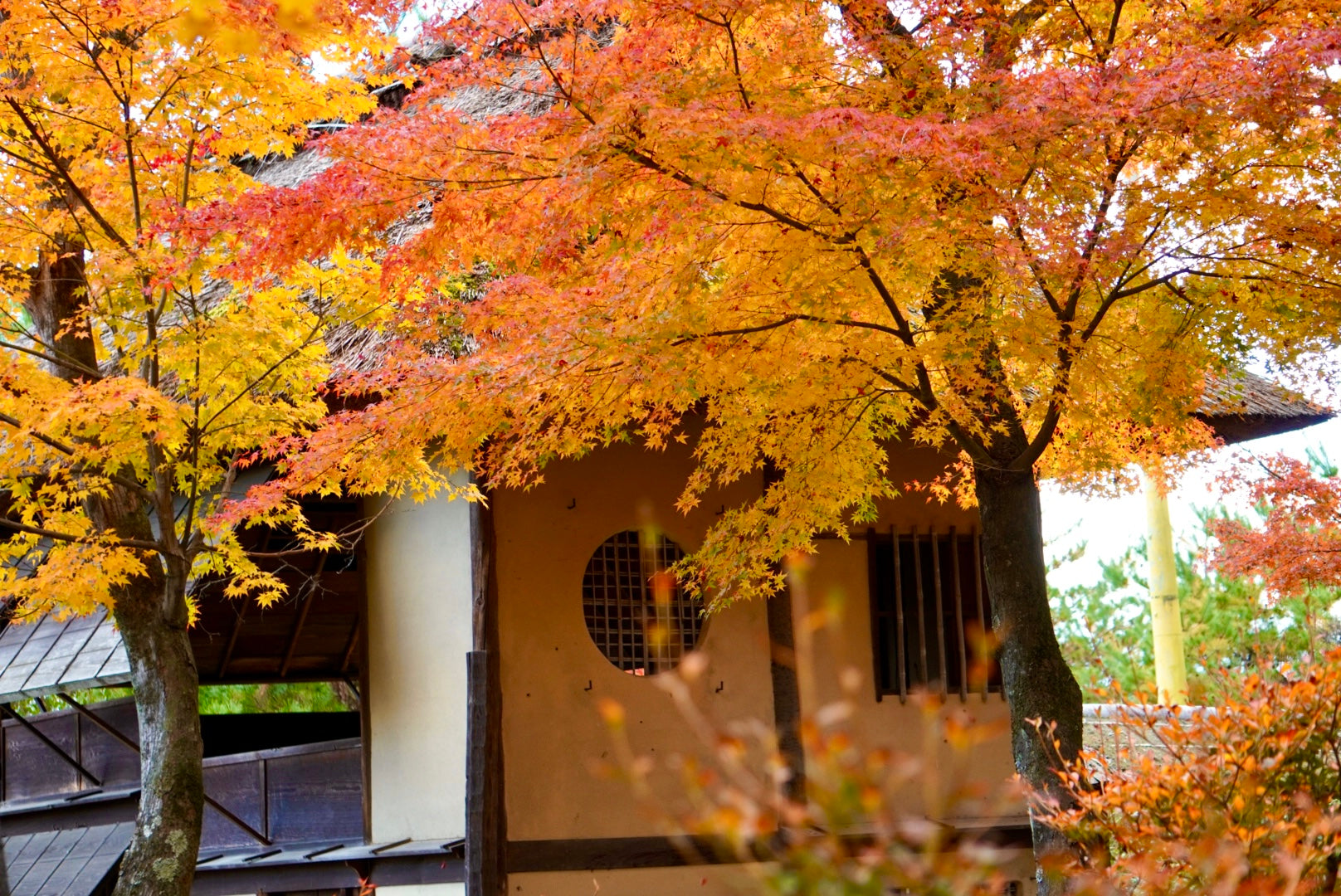
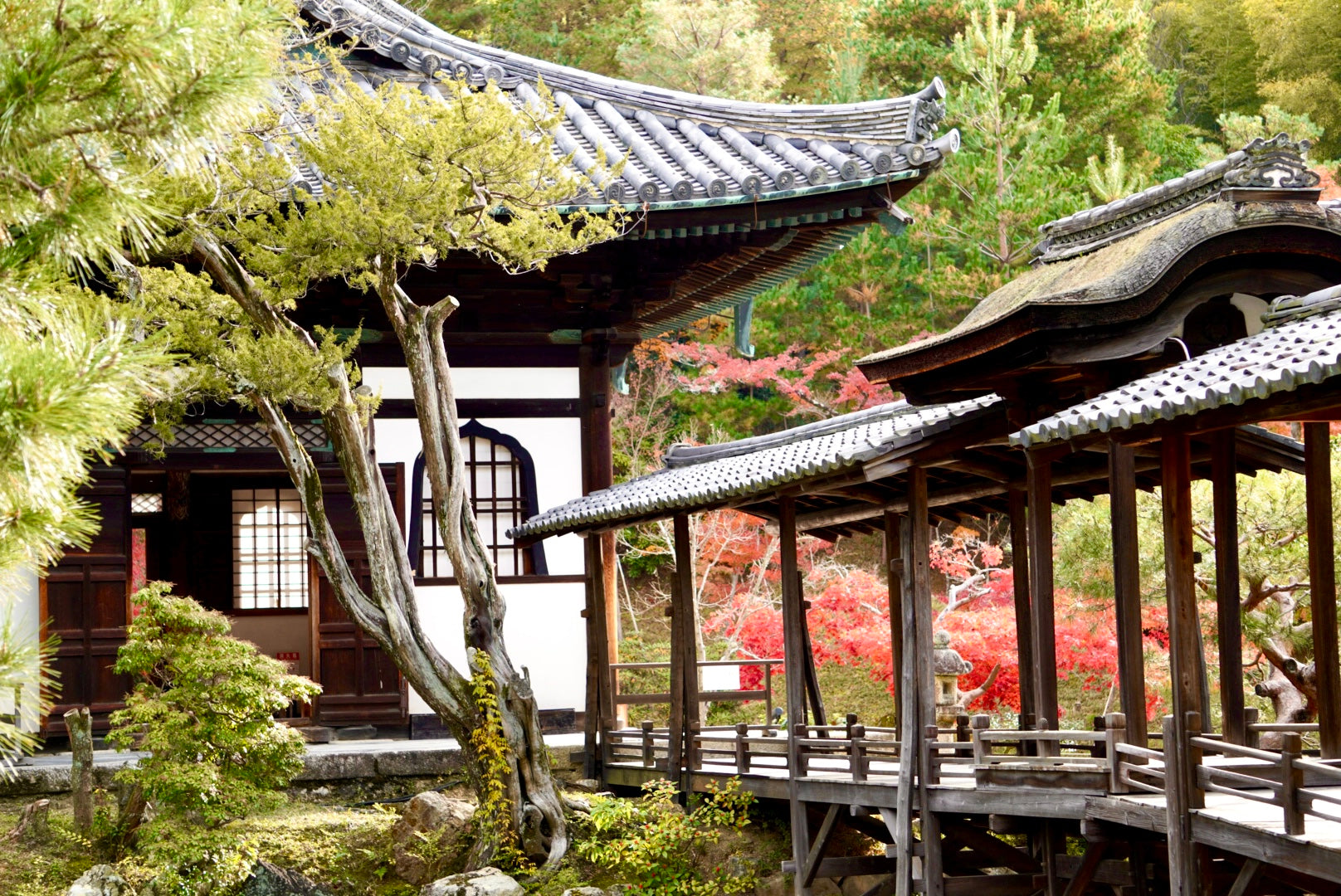
The roji piques the senses to seamlessly transition focus from the everyday world to a calm and serene state of mind—all before the tea room is reached.
A Mountain Retreat in the City
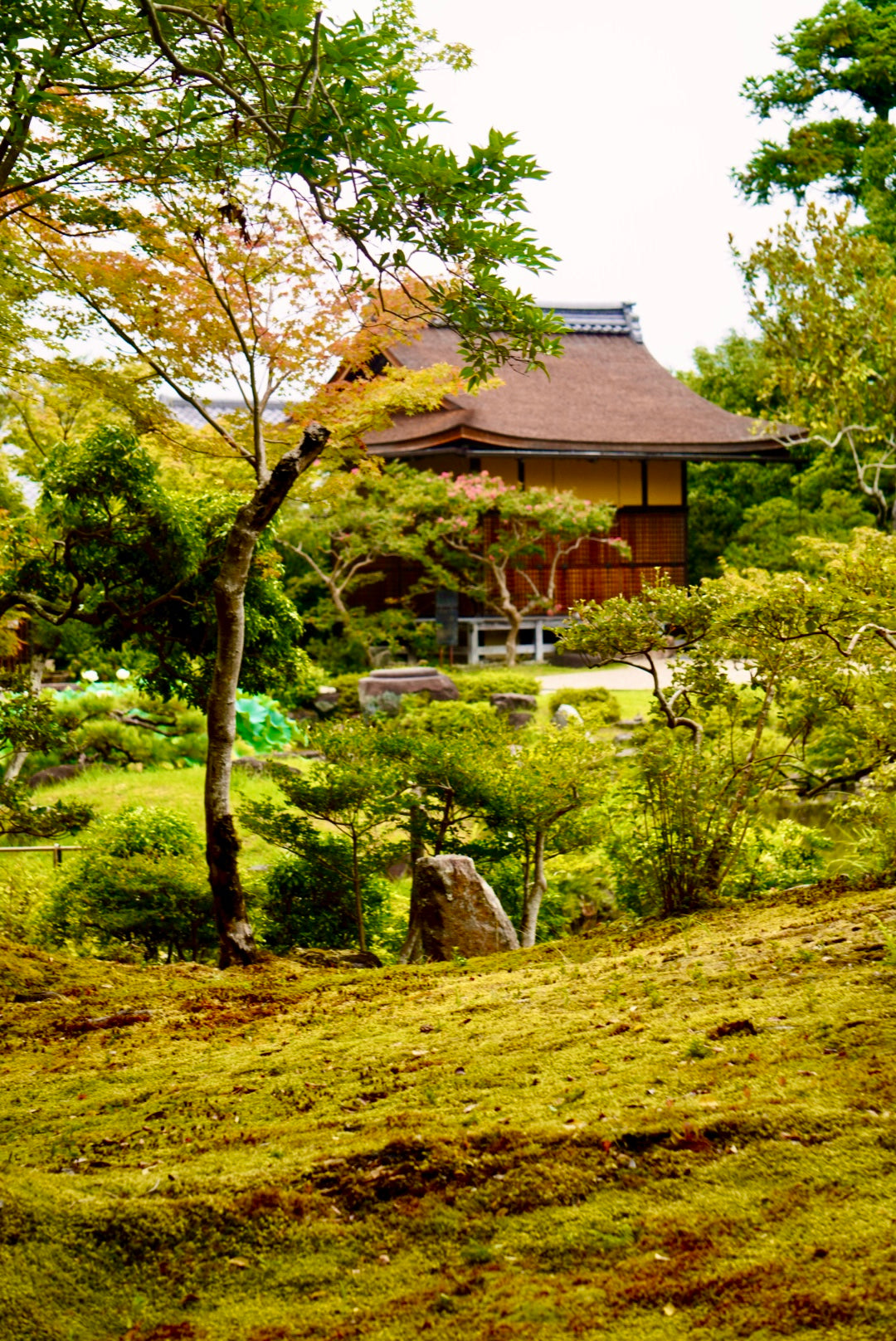
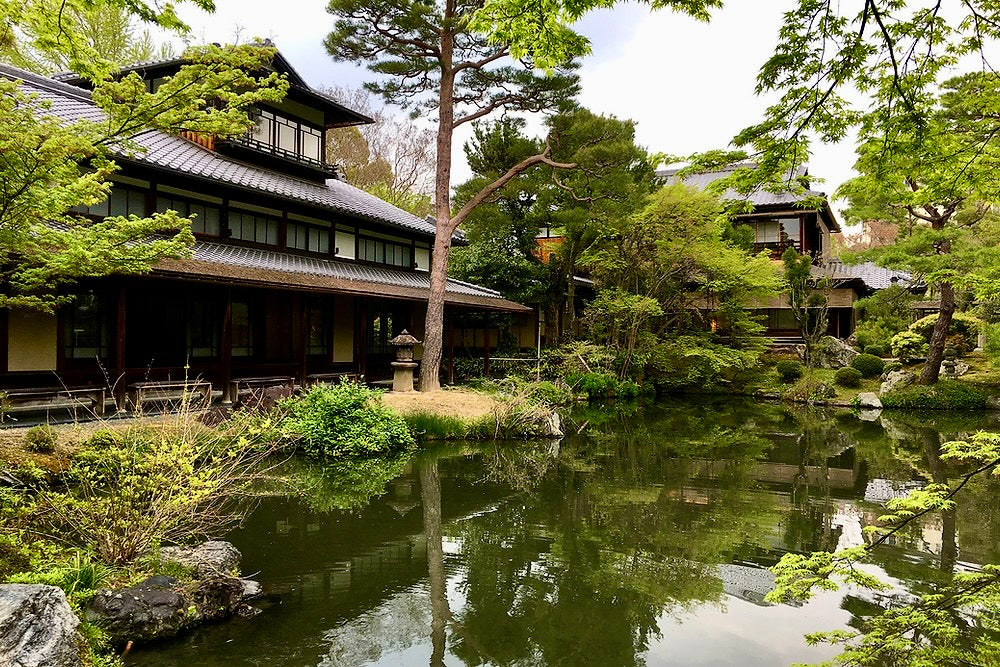
Thus was born the tea garden—an ideal mountain retreat in the city—an ingenious being that allows the design of natural scenes amongst a crowded and concrete city. Let us explore Kyoto’s spectacular tea gardens, who rival even the most remote villages in natural beauty.
Sample Itinerary
9AM
Meet Your Guide
Your guide will meet you at the designated meeting spot as provided in the tour confirmation e-mail. Alternatively, if you have selected the Personal Chauffeur option, you will be picked up at your accomodation.

9:15 AM
1st Stop: Villa Garden
The first stop is an stately garden within the former residence of a wealthy merchant....

10 AM
2nd Stop: Zen Garden
You will then visit a tea house garden tucked away ...

11:15 AM
3rd Stop: Serene Mountain View Garden
The next garden introduced is a xxx
Pairs Well With
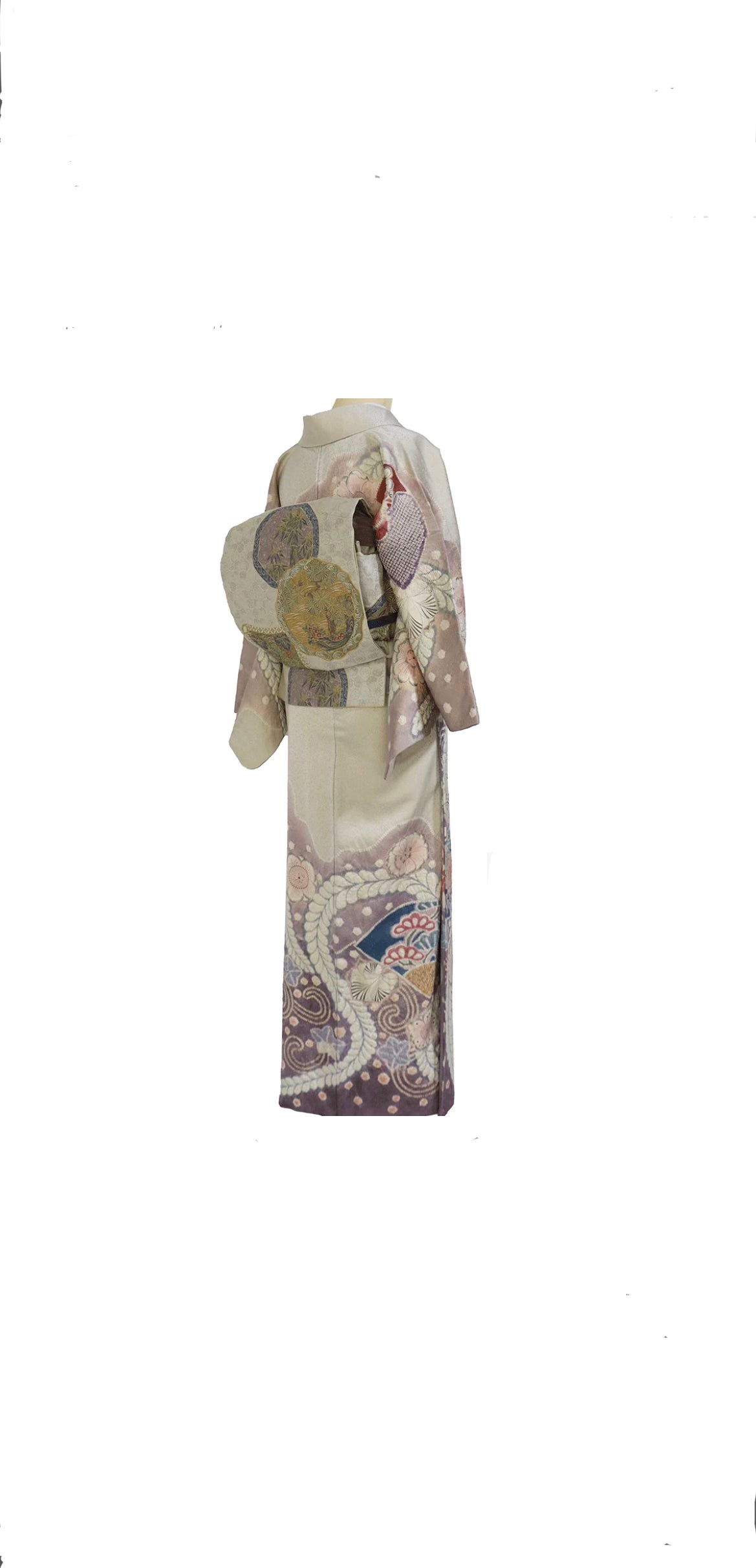
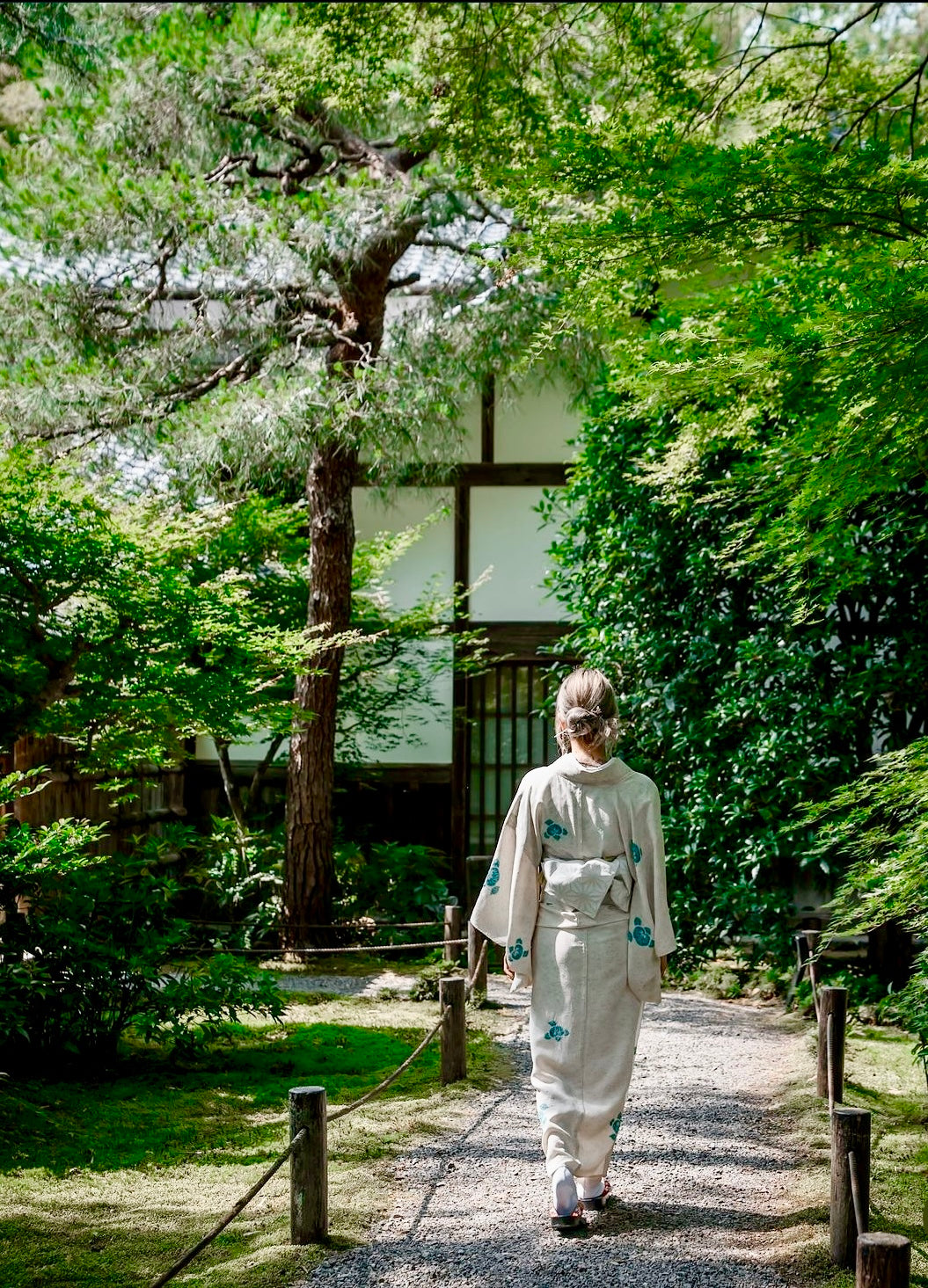
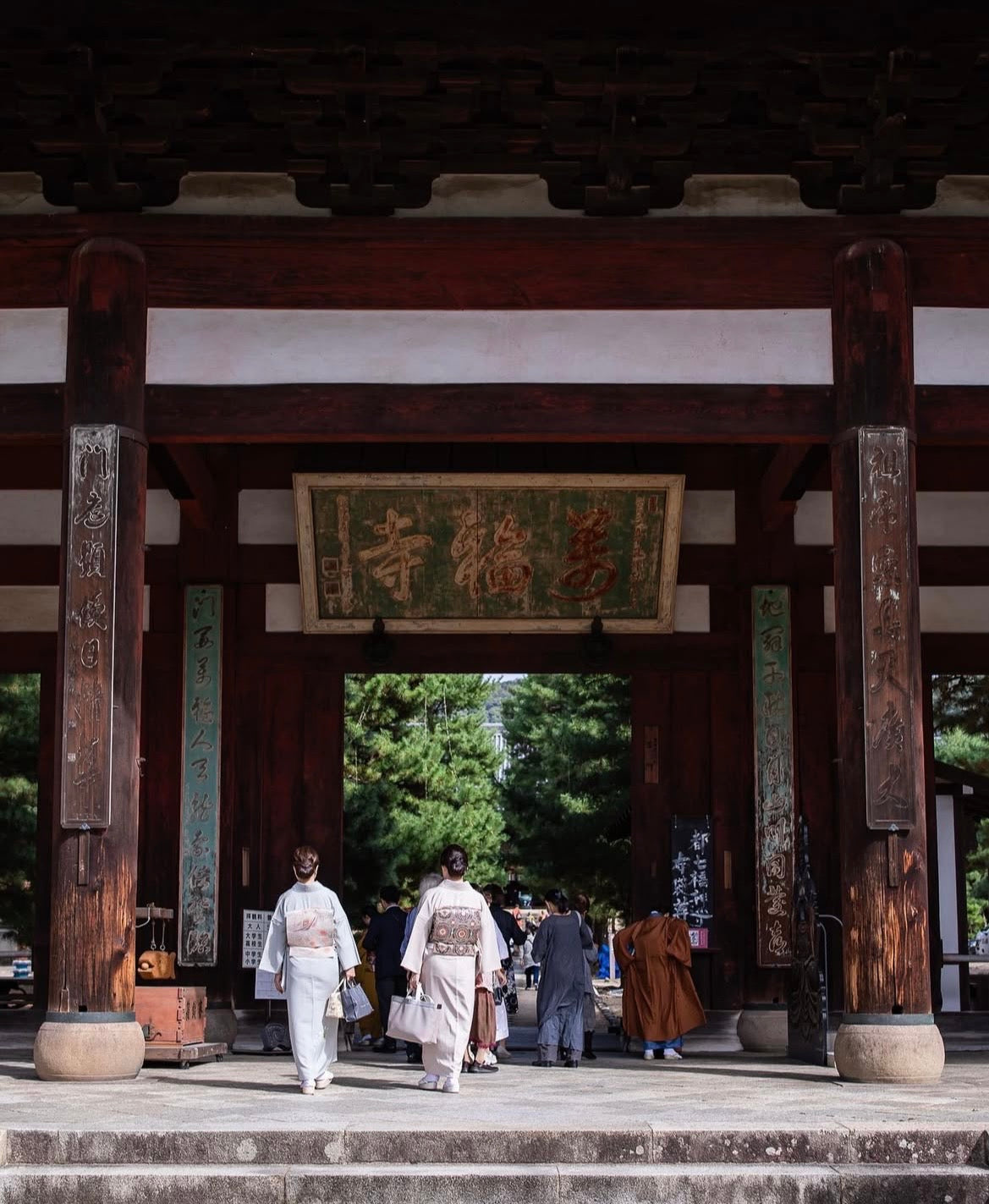
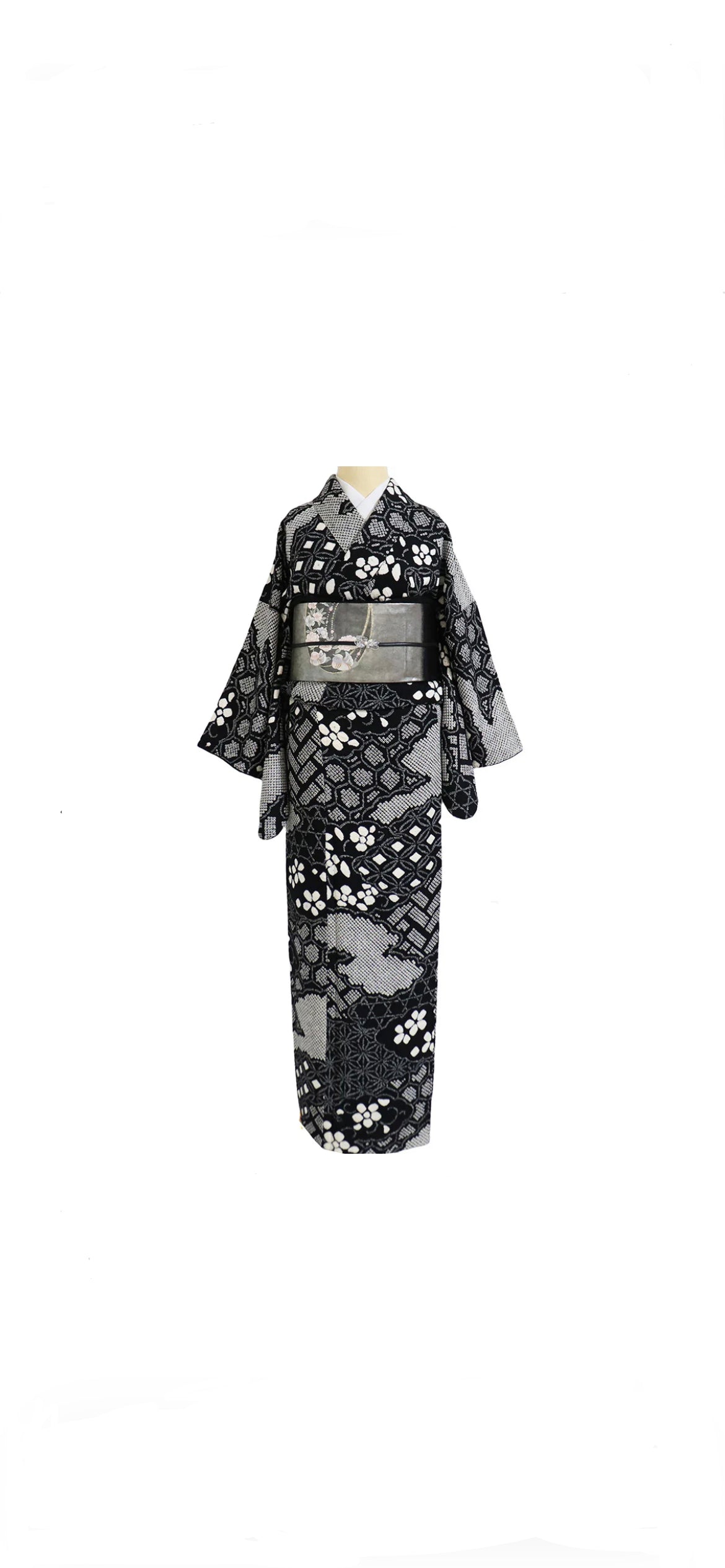
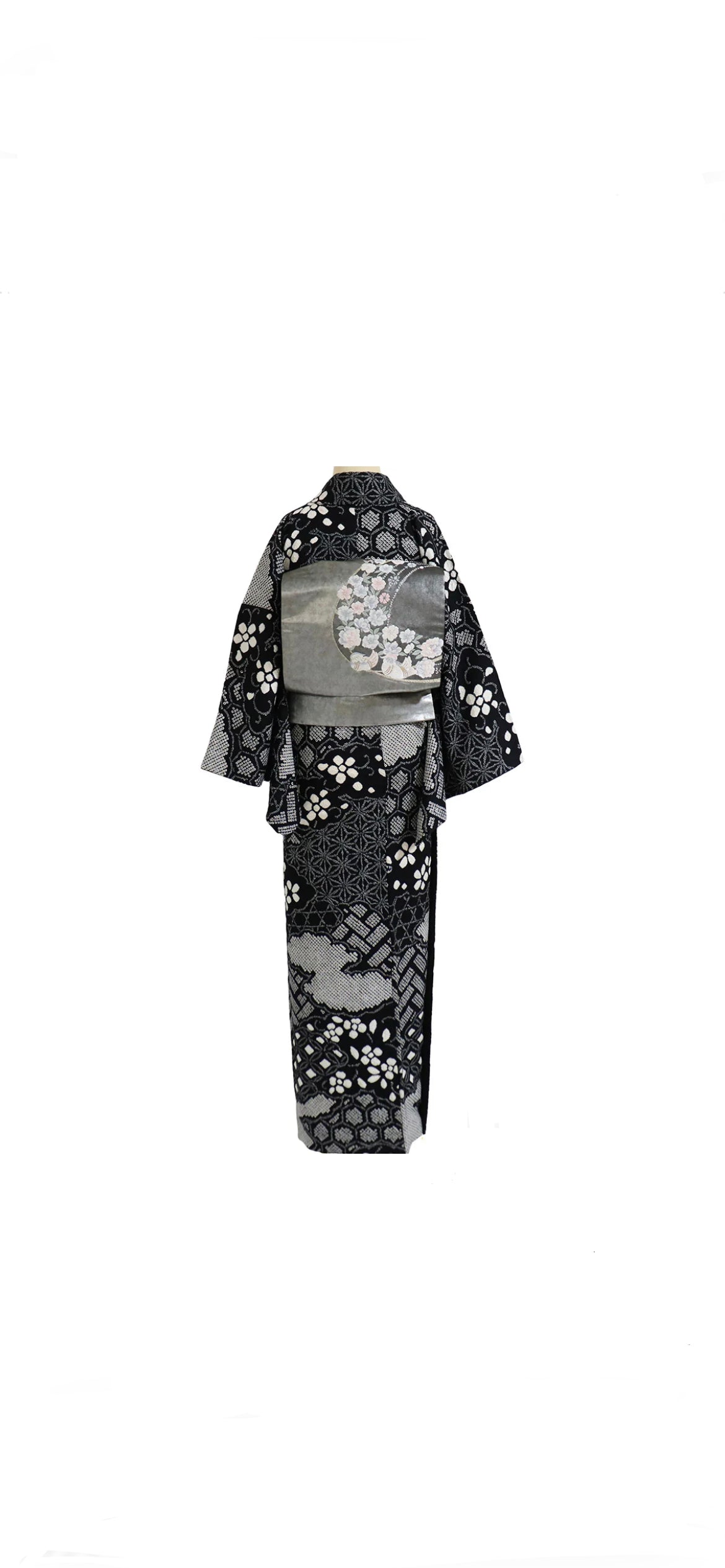
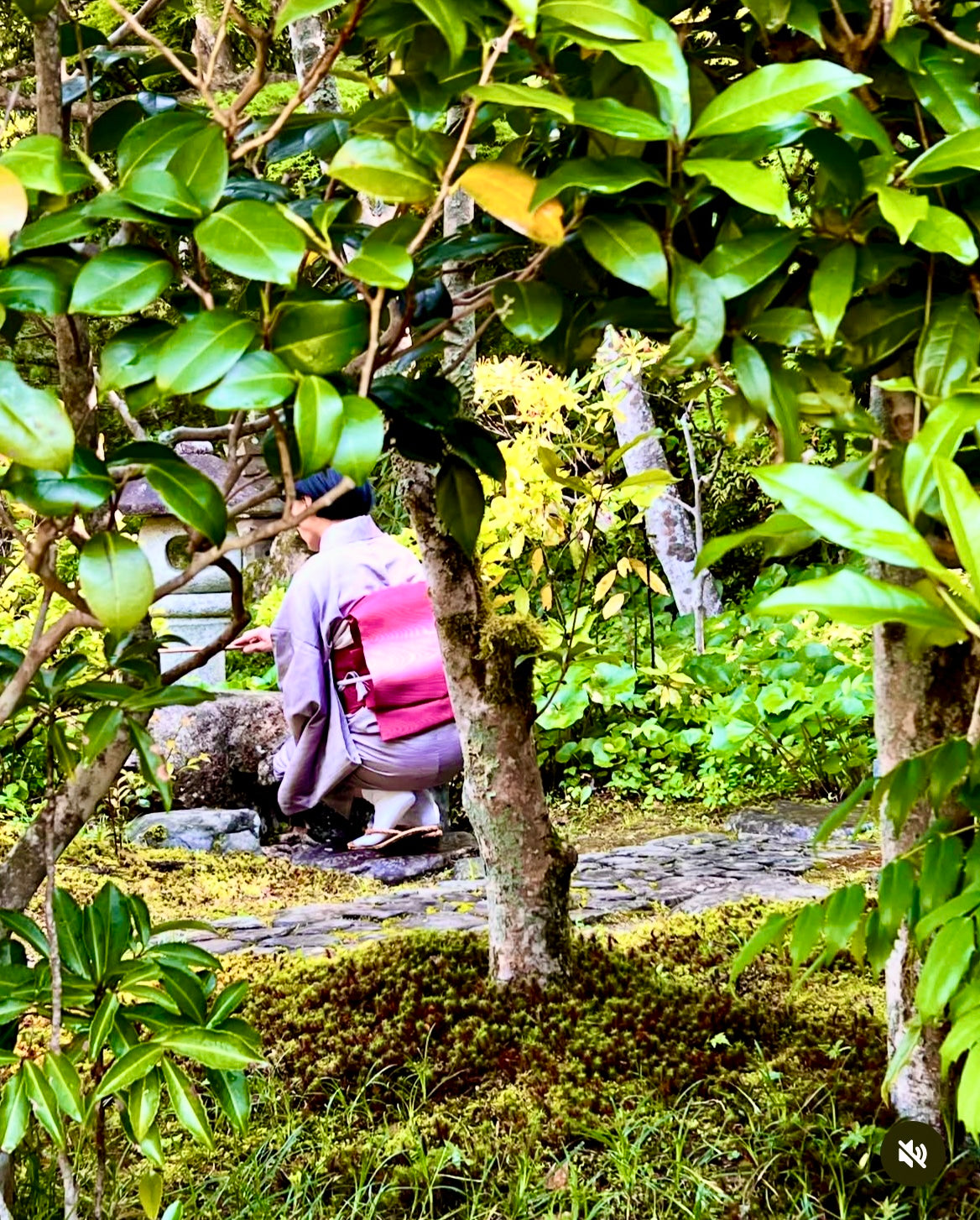
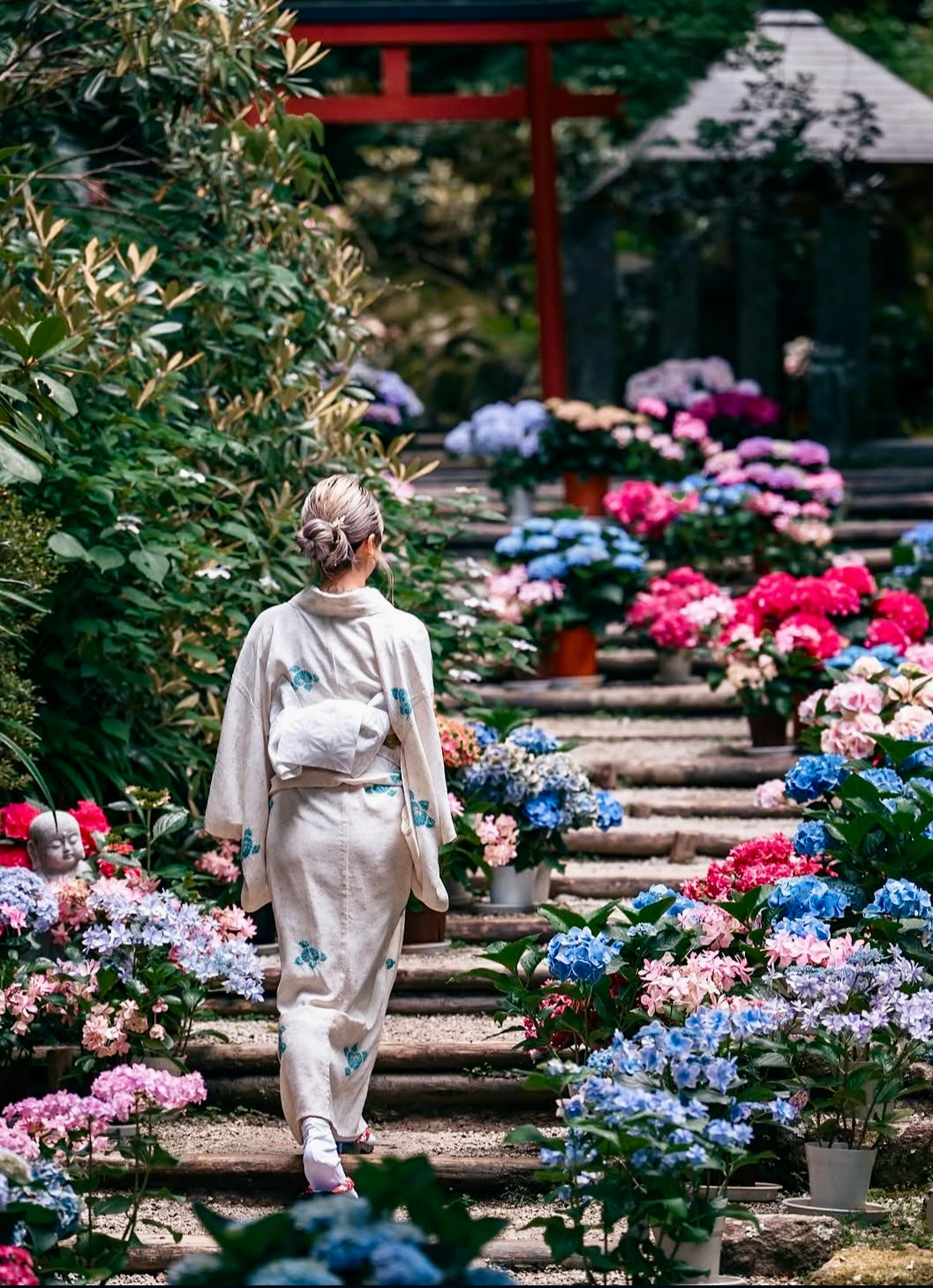
Kimono (Silk) Rental & Dressing
Explore Kyoto in beautiful silk kimono ❤︎
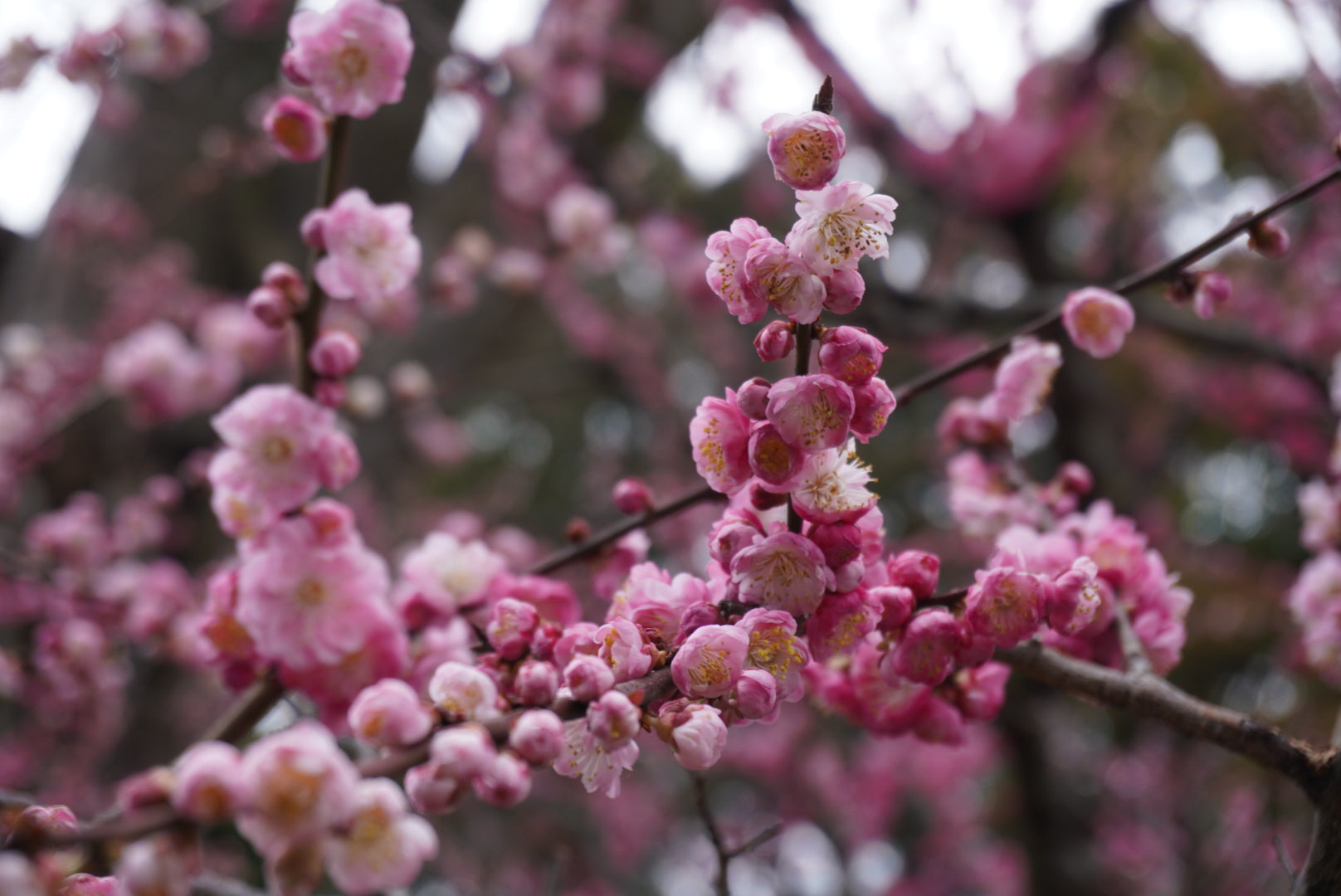
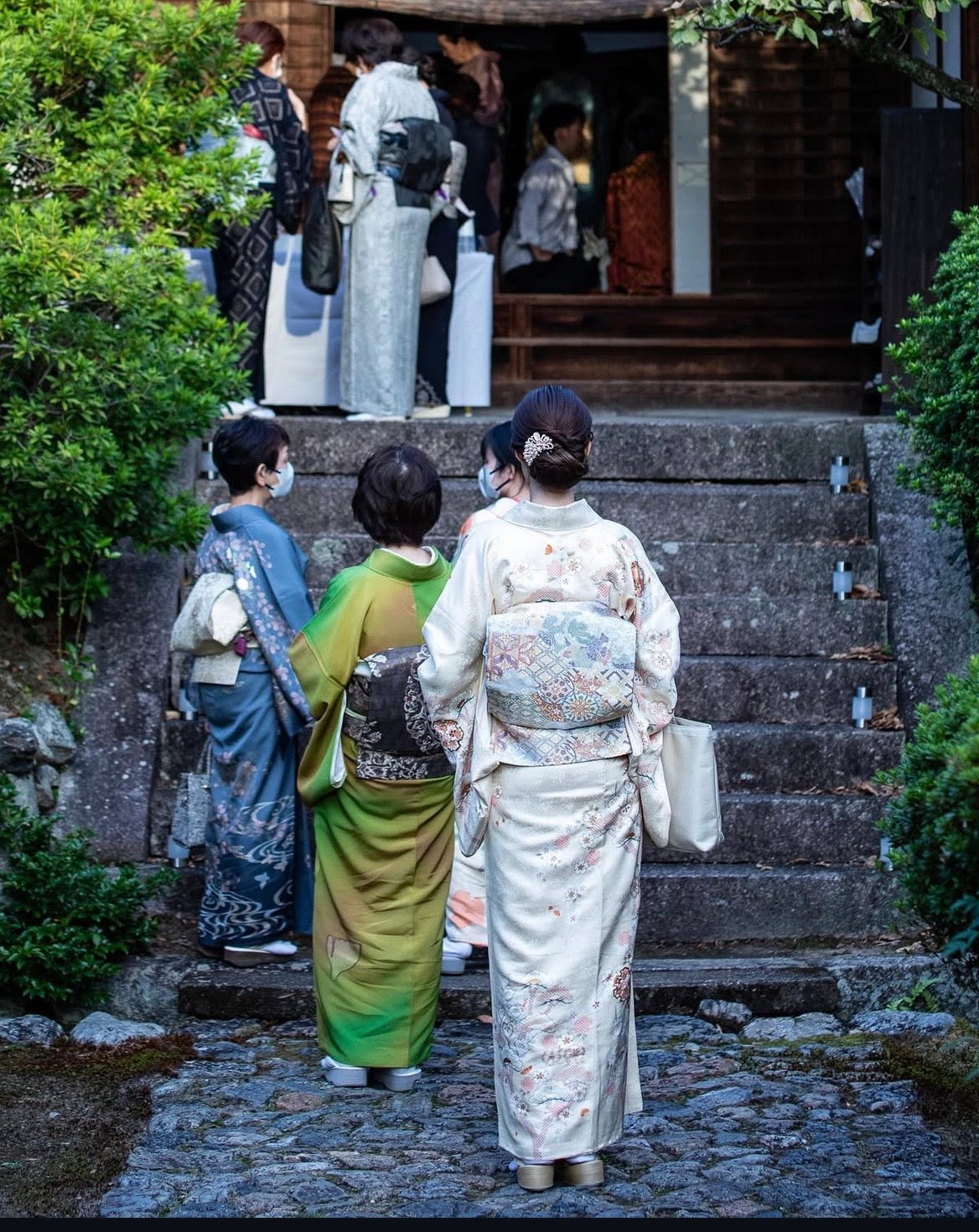
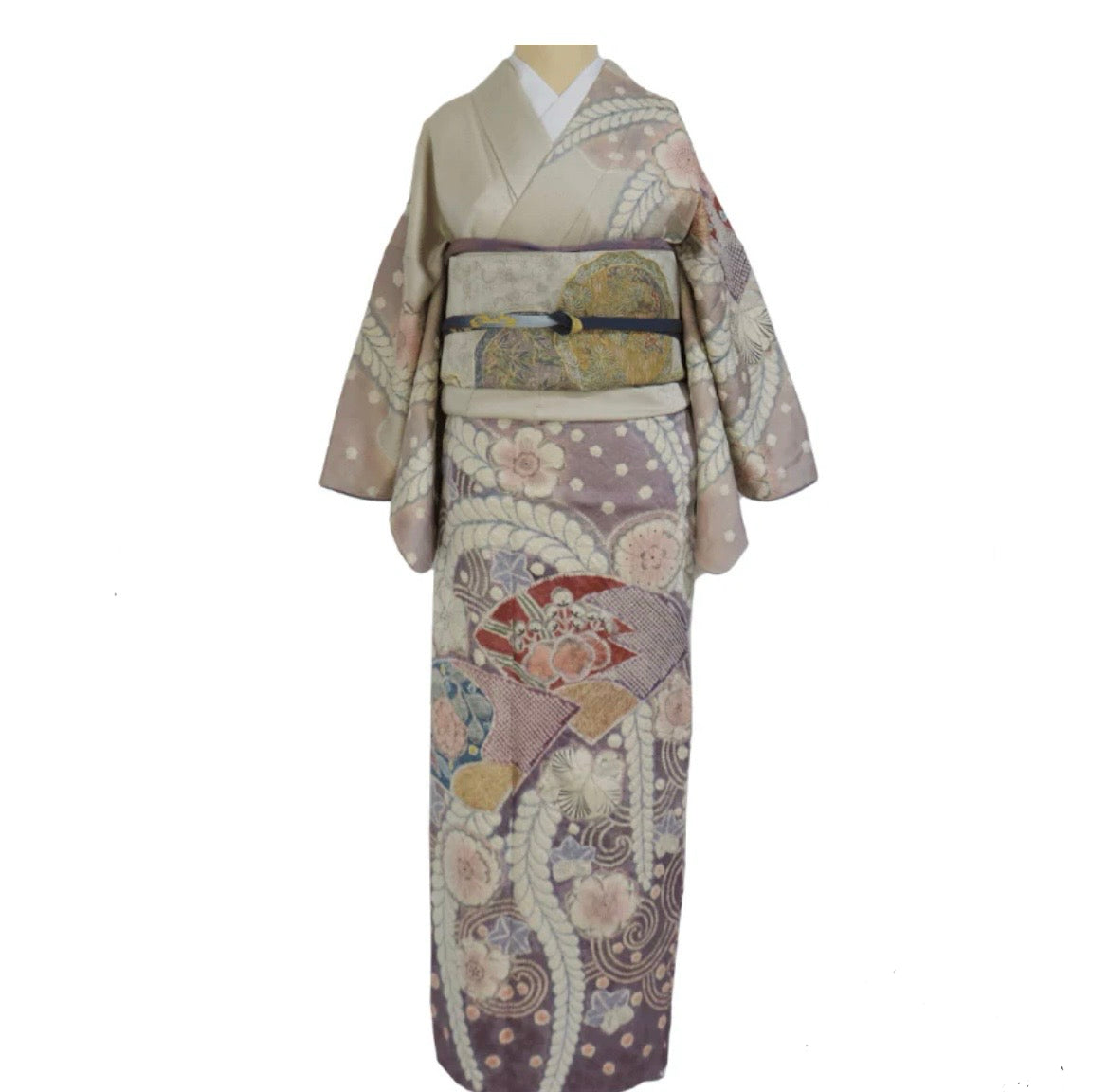
Kimono, the traditional Japanese attire that reflects seasonal changes through use of colors and motifs. Cherry blossoms represent spring, cool blues are reminiscent of summer, golden browns and falling leaves reflect on autumn, while plum blossoms and snowflakes bring forth thoughts of winter.
Each pattern is seeped in meaning, such as the crane representing longevity or marital harmony, the butterfly representing feminine growth, and the rabbit representing prosperity and happiness.
Once worn by all of Japanese society, kimono and its intricate production processes originated in Kyoto within the Imperial Court during the Heian period (794 to 1185). In Heian times, there was great disparity amongst the classes and initially, kimono were limited aristocrats, who commissioned silk weavers to produce colorful, high-quality fabrics. Thereafter, commoners began wearing hemp kimono and the garment became national attire until it fell out of fashion during the Showa era (1926-1989), when western clothing became mainstream in Japan.
Re-branded in the 1980s by the kimono industry as high-end attire suitable for ceremonious occasions, in present day, while kimono manufacturing continues in Kyoto, kimono are rarely worn by Japanese on a regular basis and are typically reserved for special occasions such as weddings, funerals, festivals and ceremonies. In recent years, Japanese and international tourists alike don rented kimono when visiting traditional towns like Kyoto.
In this exclusive Nichome Connect experience, you will be fitted in a high quality, silk kimono in the 100 year old shop of a kimono merchant or in a traditional machiya by an impressively accomplished maiko/geiko kimono dresser. This kimono dressing experience is exquisite, as all of our our kimonos are hand-made—many right here in Kyoto—using traditional weaving, dyeing and hand stitching techniques.
Experience authentic and elegant kimono in Kyoto with Nichome Connect.