
Hand Carve A Tea Scoop (Chashaku)
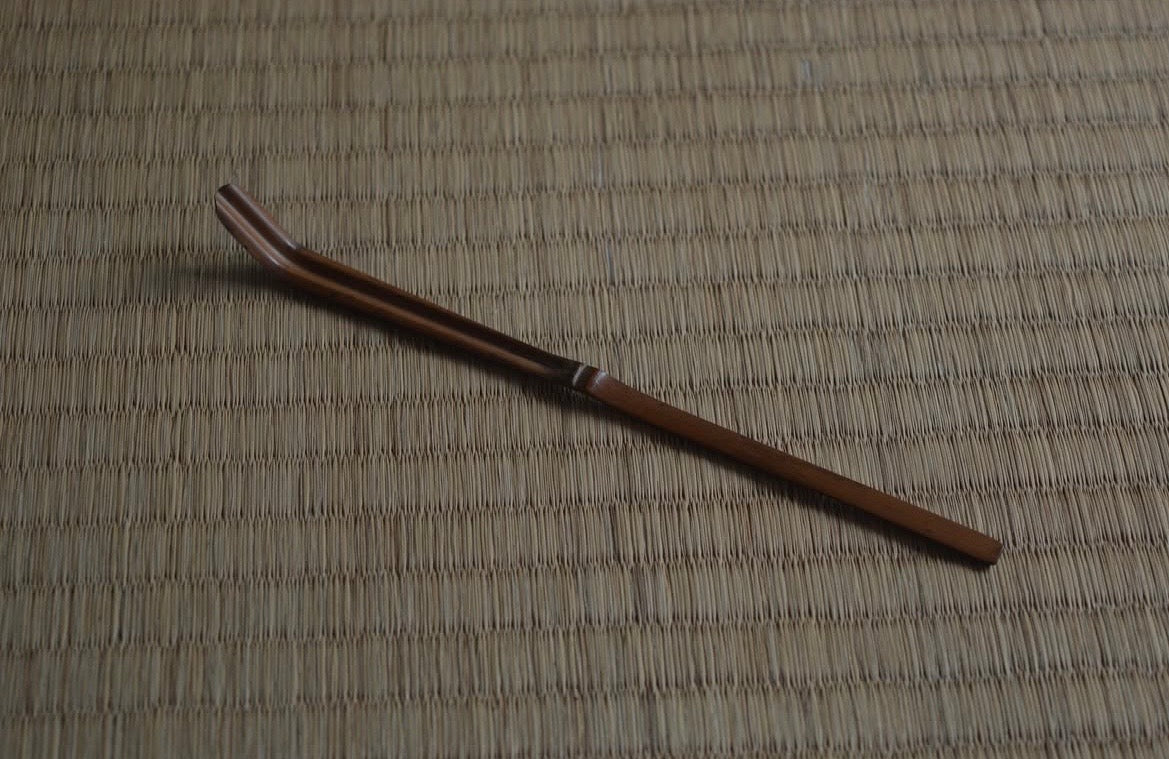
A stately tool essential for performing a matcha tea ceremony. Often passed around or left after the tea ceremony for guests to admire up close, in this experience, we will dive into making a chashaku (茶杓), or a spoon used to scoop matcha.
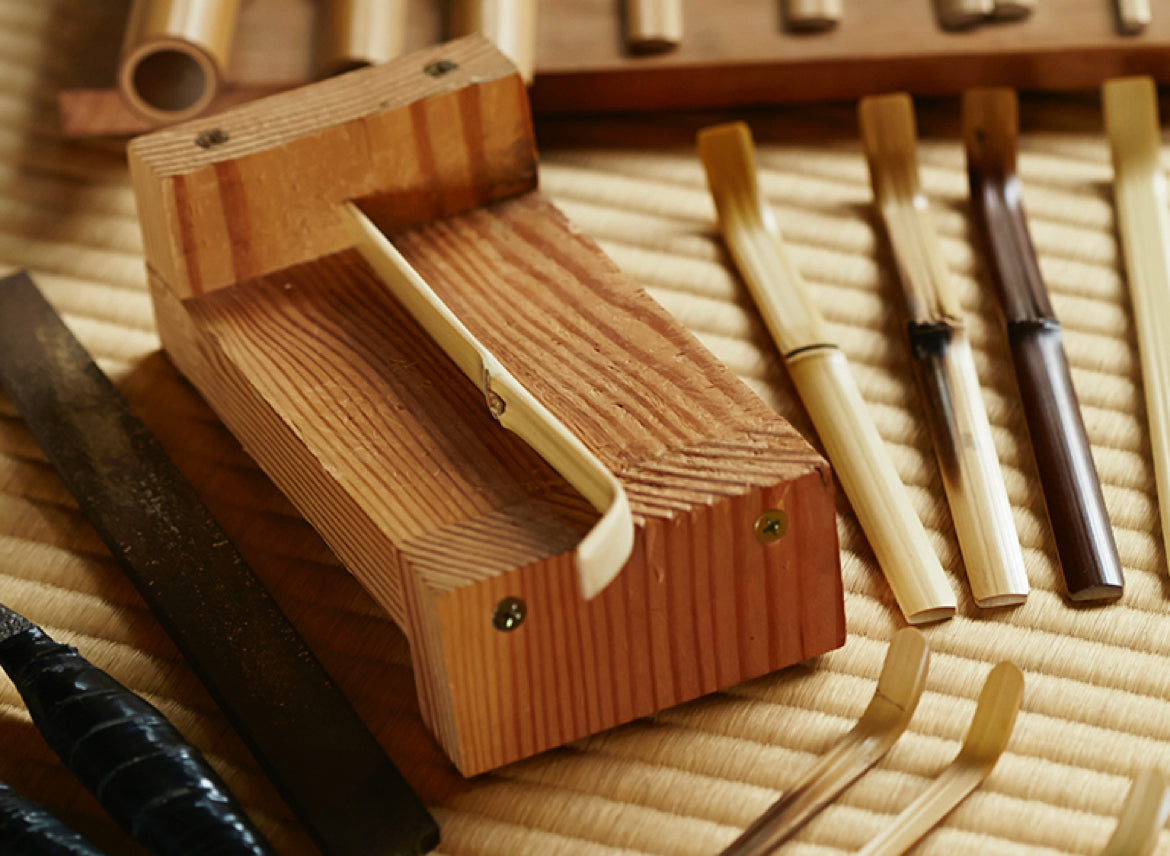
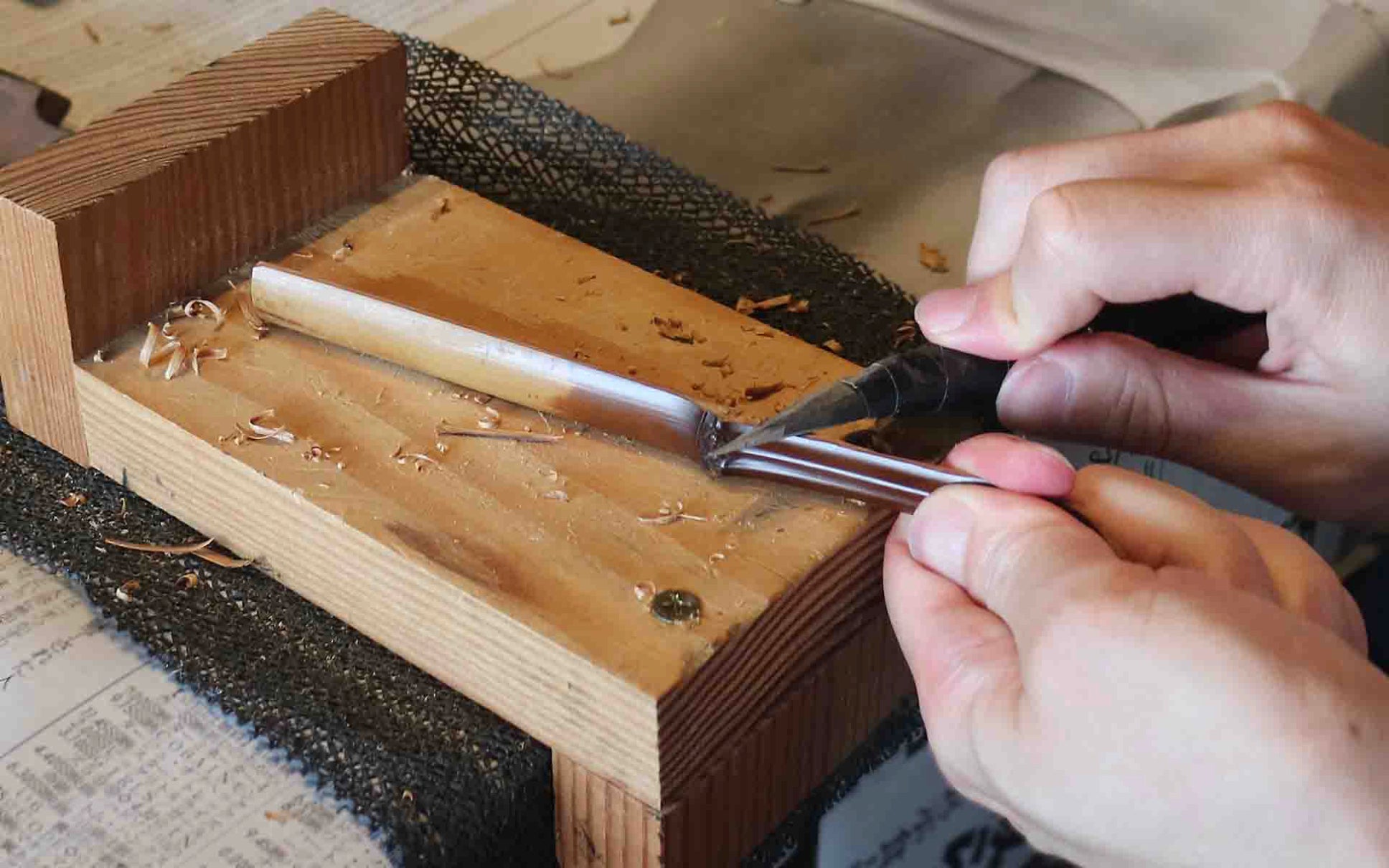
During this experience, you will receive a pre-sized 100% bamboo plank as the starting point of the chashaku. You will learn about the craftsmanship and tradition embedded in this seemingly simple tool, which species of bamboo are ideal to make chashaku and why, what specific parts of the bamboo are used, what are the important design elements, how to correctly hold carving tools, as well as how to shape the kai saki (櫂先) and fushi (節) or the center knot.
Throughout this experience you will also learn more about the few remaining families devoted to this craft and the current state of the industry in Japan.
As persistence and patience is paramount, seep into a meditative state from the rhythmatic sound of the knife while gently shaping your very own chashaku.
Experience Duration: 2 Hours
What You'll Do
Learn about the history of chashaku while receiving instruction on crafting your own.
What's Included
☆ Chashaku carving workshop fee
☆ Instruction and Explanation in English
☆ Chashaku plank
☆ Carving Tools
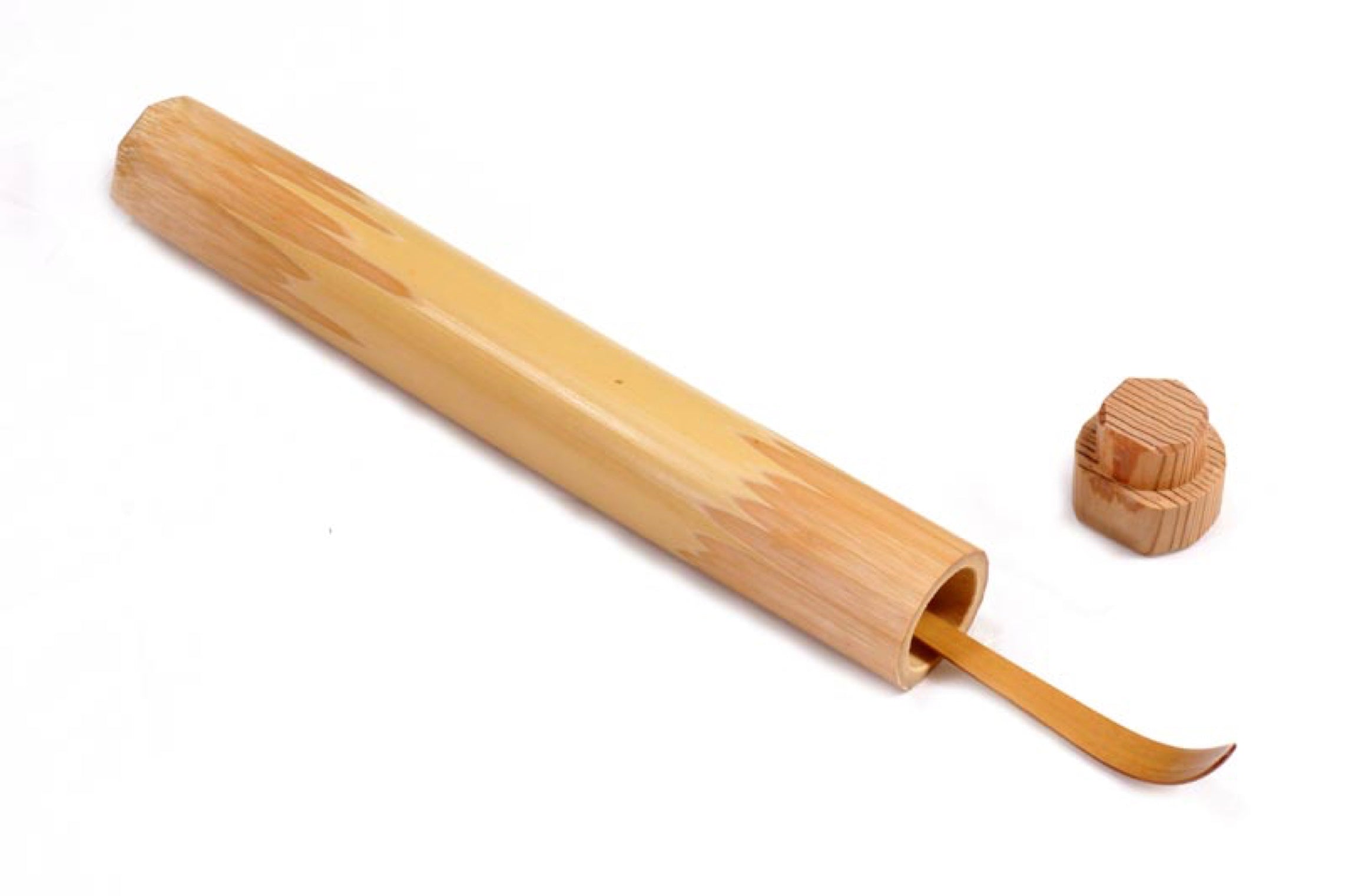
☆ Chashaku holder (if this option in selected)
What's Not Included
Any guest purchases
Guest Requirements
Guests are required to behave in a civil and respectable manner.
Activity Level
Low
Experience will be conducted in a room with tables and chairs.
Accessibility Level
Guests must be 10 years of age or older.
How To Order
The Hand Carve A Tea Scoop (Chashaku) experience can only be purchased in combination with a Tour and not as a standalone experience.
1: Choose preferred experience of making either a tea scoop or a tea scoop and accompanying holder.
2: Adjust the quantity to match the number of tour attendees. For example, if four people are attending, then the quantity should be set to 4.
3: Add experience to cart.
4: Add any additional Add-Ons to cart.
5: Prior to checkout, ensure there is one or more Tours added to your cart. The date of the experience will be the same date of the tour selected.
6: Check out to complete reservation. Our Concierge will contact you shortly thereafter to confirm logistics and answer any questions.
Once confirmed, you will be sent a payment link. Payment is due within 24 hours of the link being sent and payment constitutes a placed order.
Cancellation Policy
11 Days or More Prior To Tour or Experience Start Date: No Cancellation Fee Levied; 100% of Order Amount Returned
10 days to 6 days Prior To Tour or Experience Start Date: 50% of Order Amount Reserved As Cancellation Fee; 50% of Order Amount Returned
5 Days or Less Prior To Tour or Experience Start Date: 100% of Order Amount Reserved As Cancellation Fee; 0% of Order Amount Returned
For more details, reference our Cancellation & Refund Policy.
Pairs well with
This experience must be purchased in combination with a tour
Choose either a tea scoop, or a tea scoop with a matching bamboo holder.
Adjust the quantity to match the number of experience attendees.
All tour add-ons subject to availability checks
Hand Carve A Tea Scoop (Chashaku)
If you have any questions, you are always welcome to contact us. We'll get back to you as soon as possible, within 24 hours on weekdays.
-
Customer Support
Use this text to answer questions in as much detail as possible for your customers.
-
FAQ’s
Use this text to answer questions in as much detail as possible for your customers.
茶杓 Chashaku
Journey to the Past
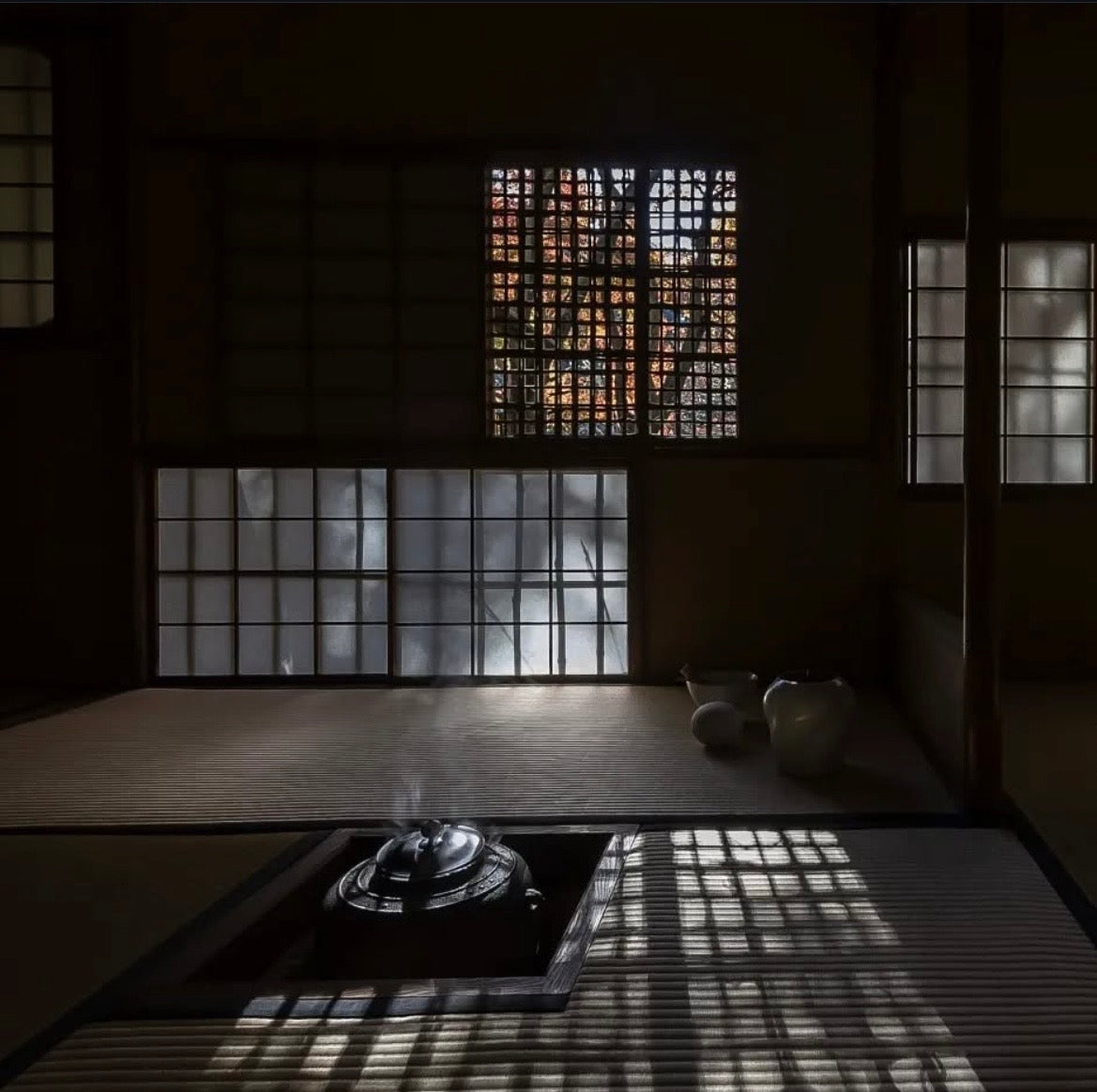
Take a moment for Japanese tea. In this experience, you will play the role of a tea master and carve your own chashaku.
A Scoop And A Measure
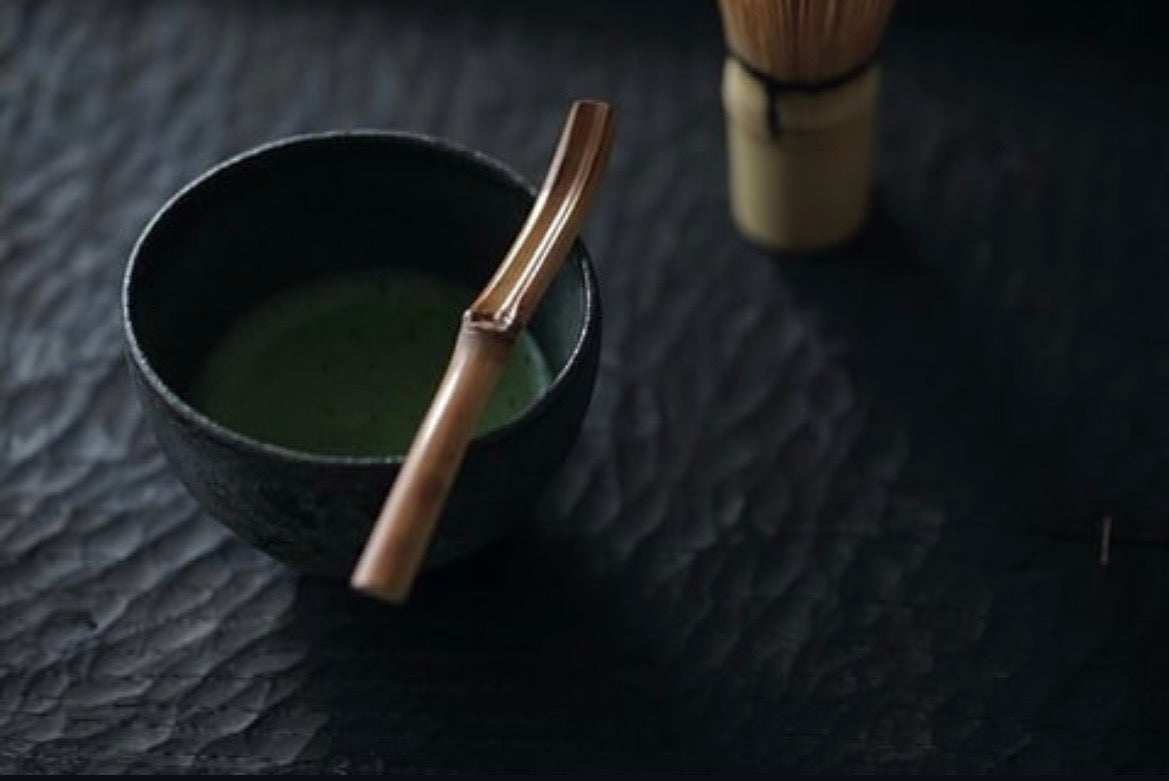
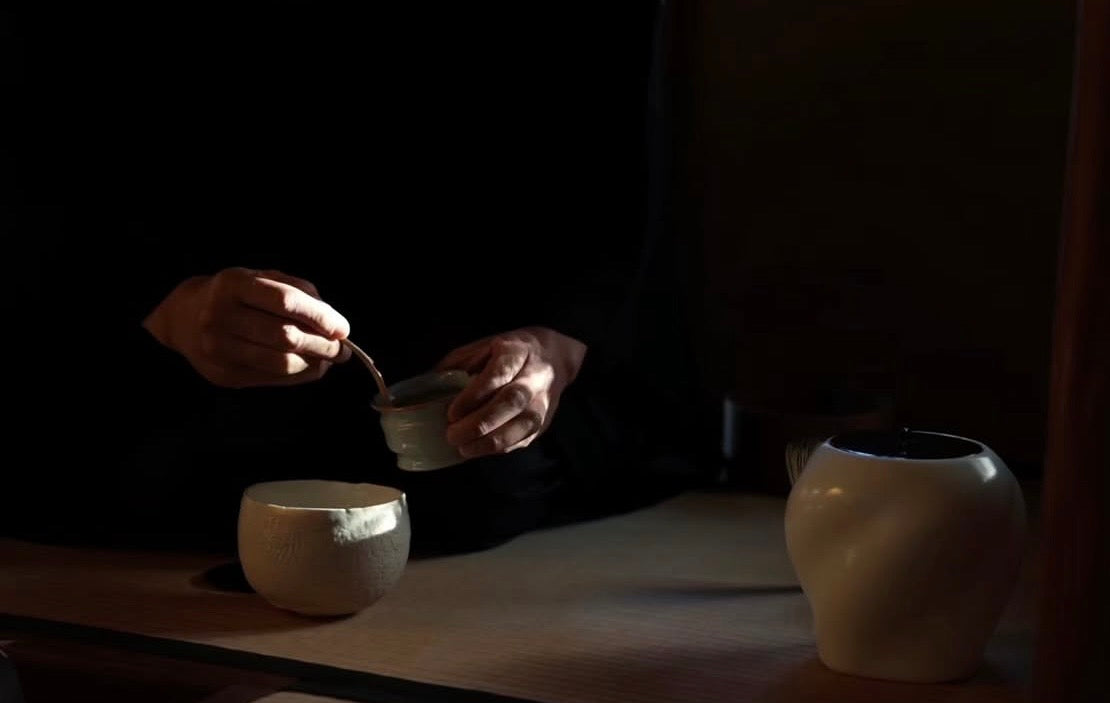
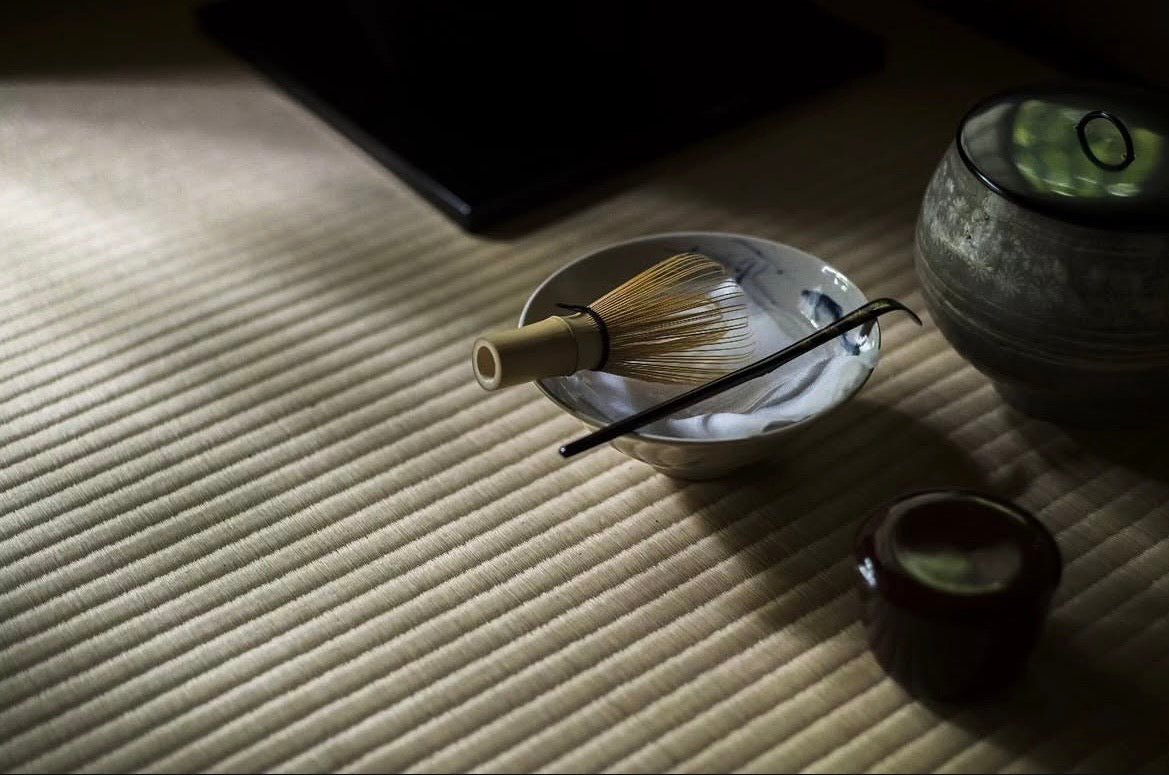
A chashaku is not only a serving spoon but a tea measure as well.
As matcha was originally used for medicinal purposes, the measurement for powdered medicine, or shaku was incorporated into tea preperation terminology, thus the name chashaku, meaning "tea + a measurement of" is used.
Did you Know?
Did You Know?
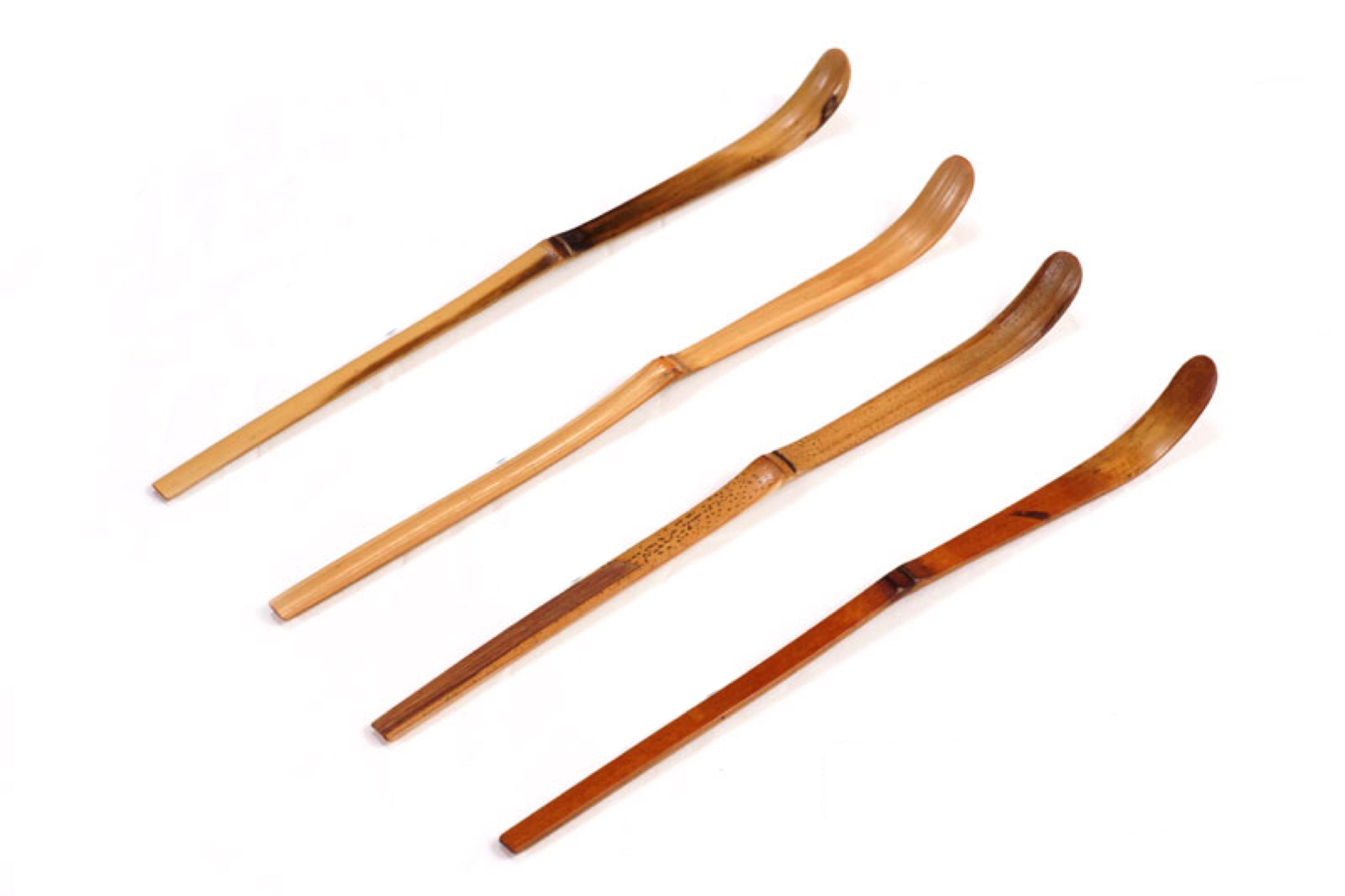
Chashaku (茶杓), or the tea scoops used to serve matcha were originally disposable instruments simply carved of bamboo and finished with a lacquer.
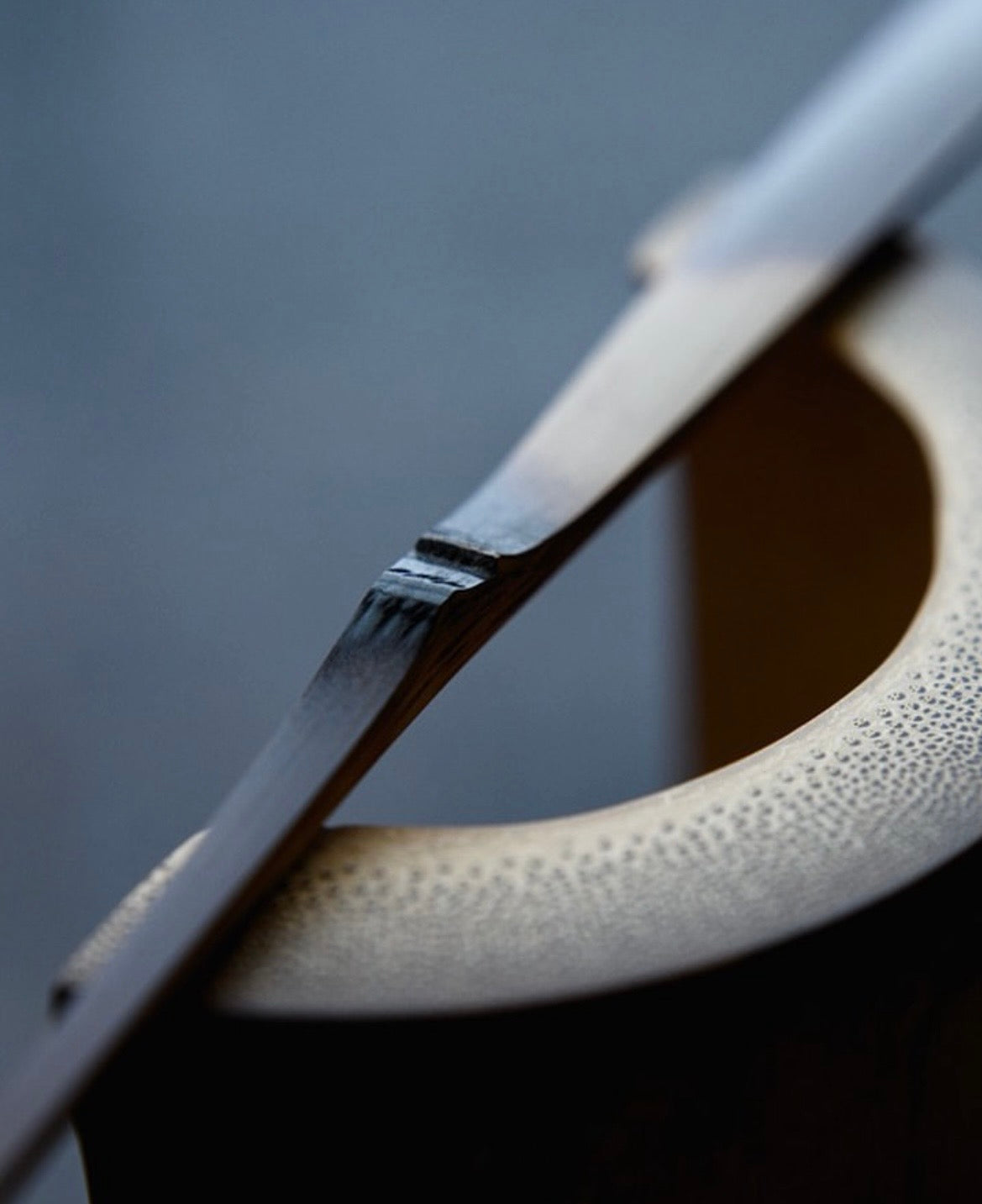
In the 16th century, the revered tea master, Sen no Rikyu devised a new version of the chashaku, which incorporated a hump in the middle of the tea scoop. Due to his popularity, students began requesting chashaku with the same design, leading to non-disposable chashaku becoming a key staple in the tea room.
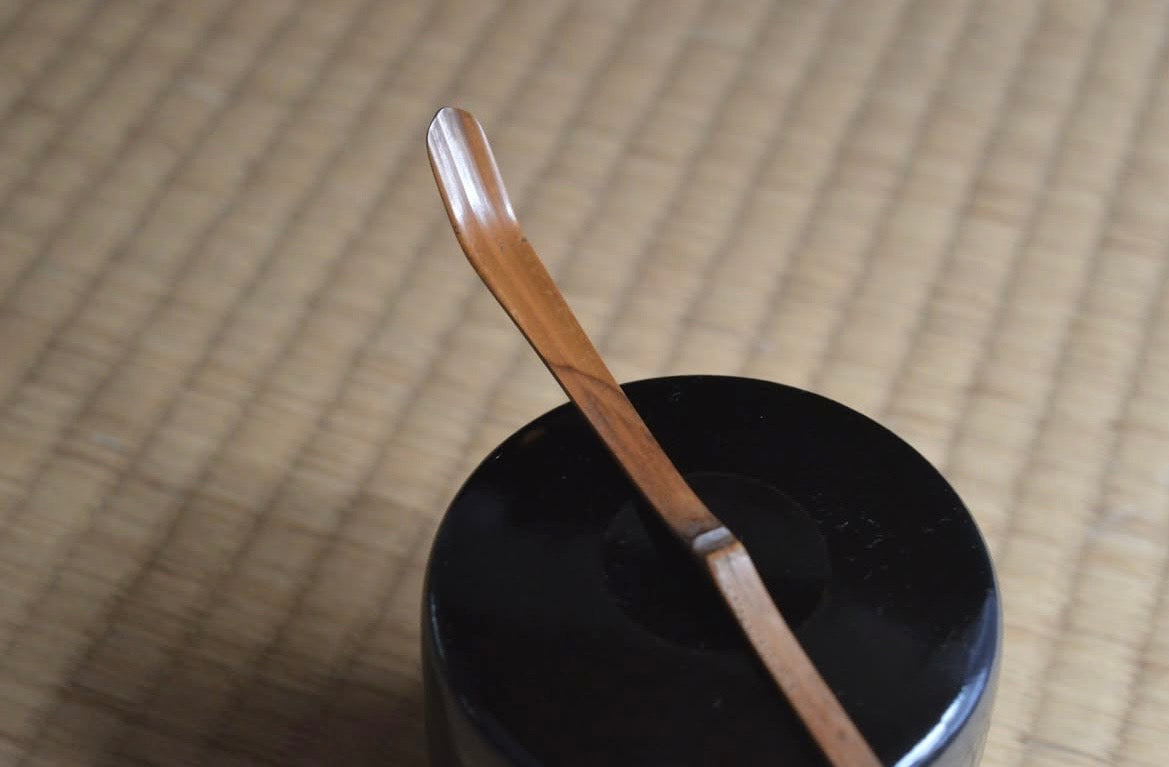
The hump in the middle, called arigoshi in Japanese serves a key function of helping the chashaku to balance on the natsume, or container used to hold matcha during a tea ceremony. It also adds a nice wabi sabi aesthetic, which its incorporator, Sen no Rkyu was known for.
Itinerary

2 PM
Learn the History of Chashaku
How did this instrument become instrumental in tea ceremony? We will find out.

2:20 - 2:40 PM
Demonstration
Watch in anticipation as the talented artisans transform a humble piece of bamboo into an instrument that perfectly measures the right amount of matcha.

2:40 - 3:30 PM
Carving
Carve your very own chashaku.
Pairs Well With
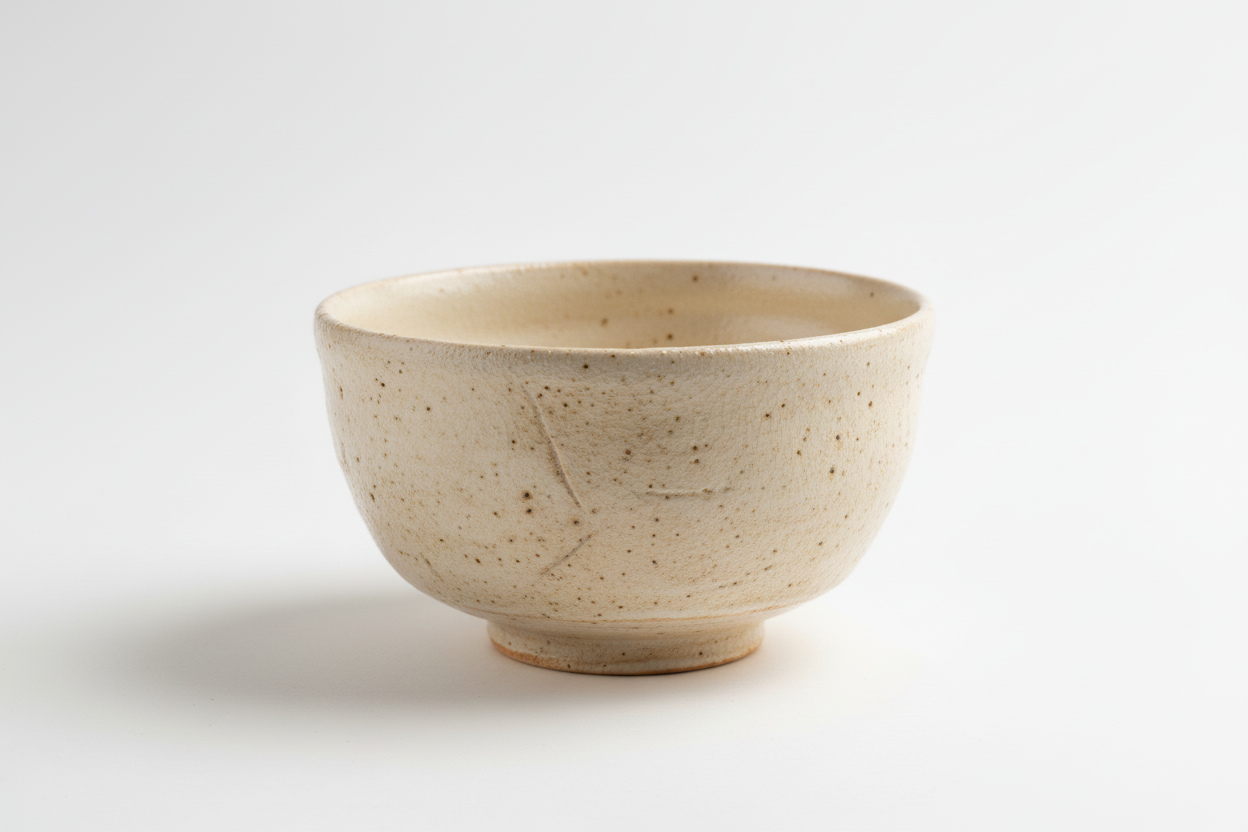
Hand Craft A Matcha Bowl
Deliberate distortions, uneven glazes and textured clay are prized aesthetics that mimic the transience of nature and allows each piece to have character and its own story. Craft your own in this matcha bowl pottery experience.
We will start with an introduction to matcha bowls, or chawan (茶碗), as they are called in Japanese, you will learn the different styles, the prominent regions of production and the characteristics that make for an exceptional chawan. You will see various kinds of chawan: different shapes, glazes, and textures, allowing thought about the weight of the chawan, its shape, and how the tea fills the bowl in order to spark your imagination on ideas for your own creation. You will be introduced to the specific type of clay you’ll be using: its properties, how it fires, and what kind of glazes work best with it before seeing a demonstration on the fundamental techniques for shaping a chawan.
We will then move to actual practice. During the nerikomi (練り込み) stage, you will learn how to properly knead the clay to remove air bubbles and achieve and even consistency—a crucial step to prevent cracking in later firings. Next is exploring the two techniques to create the shape: tebineri (手びねり), or building by hand and dendou rokuro (電動ろくろ), which is using the electric potter’s wheel. Finally, you will learn how to form the kuchiberi (口辺) or rim of the chawan, as well as the kodai (高台), or base.
Once you've finished shaping your chawan, it needs time to dry. You’ll leave your unfinished piece at the studio to be glazed and fired. It will then be wrapped and shipped to the stipulated address for you to enjoy in your own home.
Join us in creating a beautiful and functional vessel whilst connecting with the heart of the Japanese tea ceremony: the chawan.